 Saturday, November 21, 2026
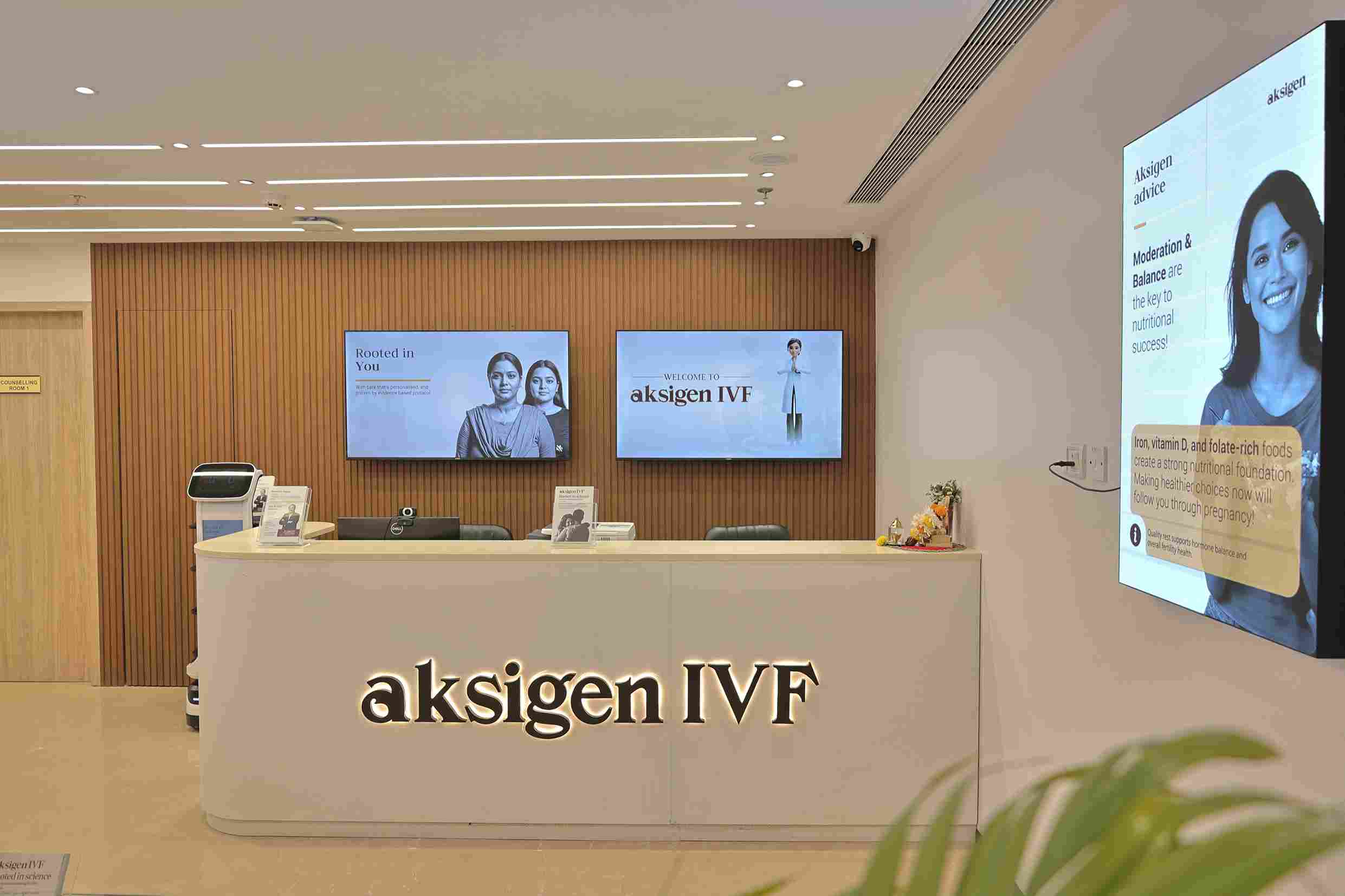
 Aksigen IVF announced the launch of India’s first immersive IVF Knowledge Centre, the Bharat Daftary Knowledge Centre, in Andheri East, Mumbai.





Mumbai, 13th January: Aksigen IVF announced the launch of India’s first immersive IVF Knowledge Centre, the Bharat Daftary Knowledge Centre, in Andheri East, Mumbai. The centre has been designed to address a widely recognised gap in fertility awareness and patient understanding, aimed at transforming how individuals and couples understand and navigate their fertility journey.
In markets like India, where IVF adoption is growing rapidly and treatment decisions are often complex and emotionally charged, structured patient education remains an under-addressed component of fertility care.
Designed as an interactive, multi-zone experience, the Bharat Daftary Knowledge Centre offers visitors access to credible, science-backed fertility information through a blend of physical and digital touchpoints. The centre has been created to inform, educate, and enable informed decision-making, about fertility treatment, while ensuring privacy and dignity at every stage of their care journey.
The Knowledge Centre provides a guided walkthrough led by Aksigen’s expert team, combining immersive technology Rooted in Science with a warm, human-centric design. Through accurate, patient-appropriate explanations of reproductive science, the experience demystifies complex IVF concepts, addresses common fears and myths, and builds trust through transparent education and real-world patient journeys.
Expressing his optimism on the launch Dr. Gautam Daftary, Founder, Chairman and Managing Director of Aksigen IVF stated, “The Bharat Daftary Knowledge Centre reflects our deep commitment to putting patients first. Fertility journeys can be emotionally and medically complex, and this centre has been created to simplify science, address fears, and empower individuals with the right information to make confident, informed choices.”
Highlighting the clinical relevance of the initiative, Dr. Shirish Daftary, ex Dean, Nowrosjee Wadia Maternity Hospital and Member, Scientific Advisory Board, Aksigen IVF said, “In fertility care, informed patients are better prepared patients. This Knowledge Centre allows us to explain complex medical concepts in a clear, visual, and reassuring manner, helping patients understand their condition, treatment options, and what to expect from their IVF journey. It enhances transparency and strengthens trust and enables more meaningful doctor–patient conversations.”
Scientific & Educational Components of Bharat Daftary Knowledge Centre include:
- A Brand & Legacy Zone highlighting Aksigen’s rich legacy in pharmaceutical excellence & reproductive medicine as founders of Bharat Serum and Vaccines with Dr Gautam Daftary having led the research and development for the reproductive medicine.
- An Interactive Education Zone featuring digital content, animated storytelling, and kiosks guided by Aksigen’s mascot, Anira, to democratize credible information on fertility.
- A Personalised Science Zone offering condition-specific educational journeys reflecting evidence-led clinical frameworks for different patient profiles A 360-degree VR experience allowing visitors to virtually walk through the IVF process.
The centre aims to demystify IVF by breaking down complex reproductive science into clear, reassuring, and relatable information, helping reduce anxiety and empower patients to engage more confidently and knowledgeably with their treatment options and care decisions.
By introducing this immersive, knowledge-led approach, science driven approach, Aksigen IVF reinforces its commitment to patient education, transparency, and informed choice,
representing a step forward in how patient education is integrated into fertility care delivery in India.





-23-300x250.png)




















