 Thursday, November 19, 2026
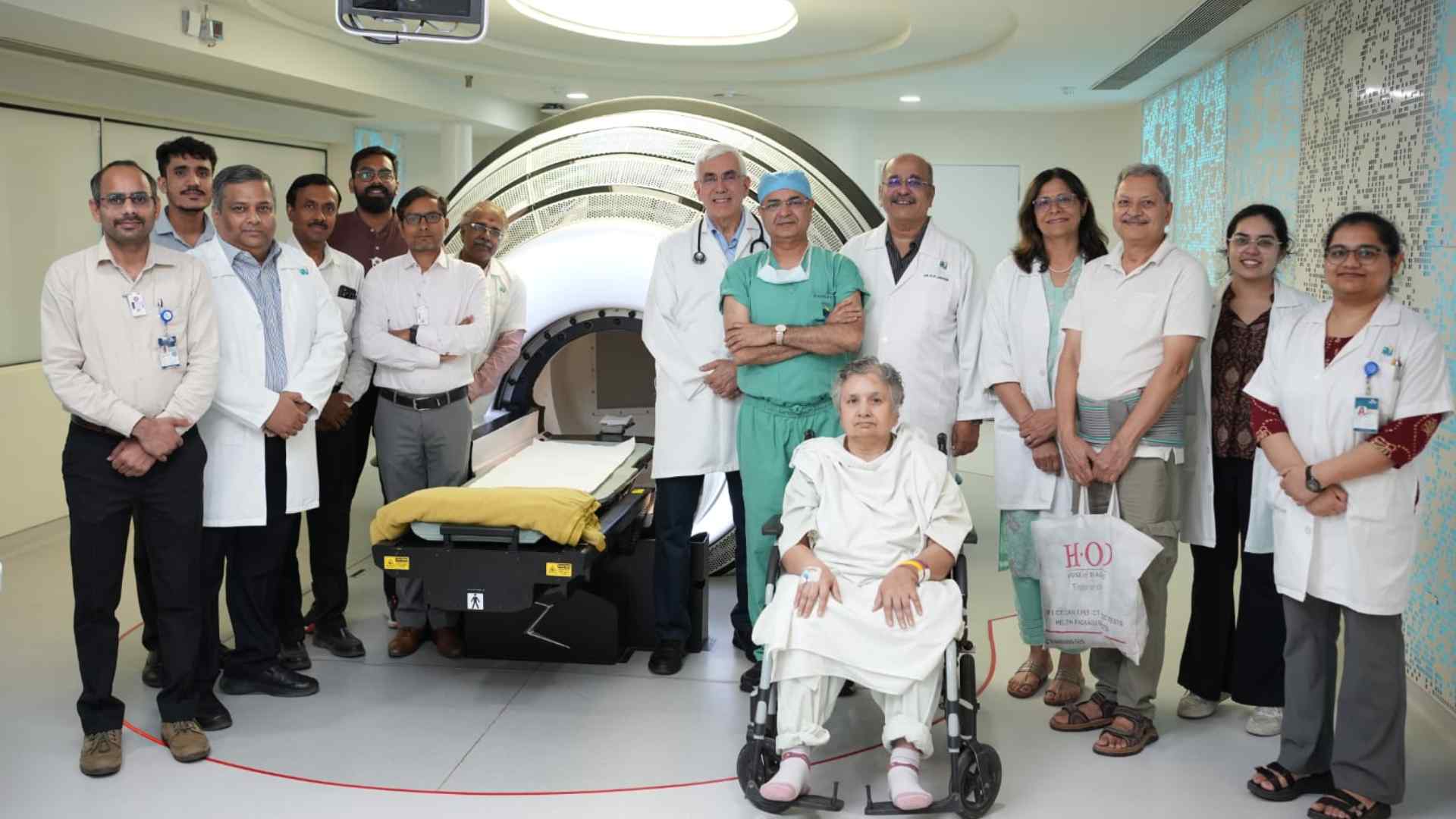
 Indraprastha Apollo Hospitals is initiating a clinical research programme to evaluate the potential of the ZAP-X Gyroscopic Radiosurgery System as a non-invasive treatment approach for patients with severe essential tremor, reinforcing its commitment to advancing neuroscience research and expanding evidence-based treatment options in India.





New Delhi, 13th August 2026: Indraprastha Apollo Hospitals is initiating a clinical research programme to evaluate the potential of the ZAP-X Gyroscopic Radiosurgery System as a non-invasive treatment approach for patients with severe essential tremor, reinforcing its commitment to advancing neuroscience research and expanding evidence-based treatment options in India.
Essential tremor, one of the most common movement disorders, affects an estimated 4-5% of individuals over the age of 40 and can significantly impair everyday activities such as writing, eating, and personal care. While many patients achieve symptom control through medication, a subset continues to experience disabling tremors despite available therapies, highlighting the need for continued innovation in treatment approaches.
As part of the trial, treatment will target a specific area on one side of the brain associated with control of the patient's dominant hand, with the aim of reducing tremor and improving functional ability. The procedure typically takes about an hour and is performed using a customised mesh mask rather than an invasive headframe. General anaesthesia is generally not required, and patients can typically return home on the same day.
Indraprastha Apollo Hospitals is among the early centres in South Asia to adopt the ZAP-X Gyroscopic Radiosurgery System, a technology designed for precise brain treatments. Building on its experience in treating brain tumours, the hospital is now evaluating how such advanced technologies can contribute to future treatment options for neurological disorders through clinical research.
Commenting on the same, Dr. Sudheer Kumar Tyagi, Senior Consultant, Neuro-surgery, Indraprastha Apollo Hospitals, Delhi, said, "For patients with severe essential tremor who continue to struggle despite medication, the challenge is not simply controlling the tremor, but finding an option that can improve hand function without adding the burden of an invasive procedure. ZAP-X allows us to target the specific brain region involved in tremor with focused radiosurgery. Through this trial, we aim to understand how effectively this approach can translate into meaningful improvement in patients' day-to-day functioning."
Dr. Mukul Varma, Senior Consultant, Neurology, Indraprastha Apollo Hospitals, Delhi said, "What distinguishes ZAP-X from other approaches is what it does not require. There is no metal frame, no extensive preparation, and no prolonged recovery. A patient walks in, completes the session, and walks out. For someone with a severe, long-standing tremor, that matters considerably.”
Dr. G. K. Jadhav, Senior Consultant, Radiation Oncology, Indraprastha Apollo Hospitals, Delhi, said, " With any radiosurgery treatment, precision is critical, particularly when we are working within the brain with very high doses in the range of 130-150 Grays to the lesion. Our experience with ZAP-X in treating brain tumours has helped us understand how to use the system safely and accurately. We are now looking at whether the same technology can be useful for patients with severe essential tremor."





-23-300x250.png)





















