 Thursday, October 08, 2026
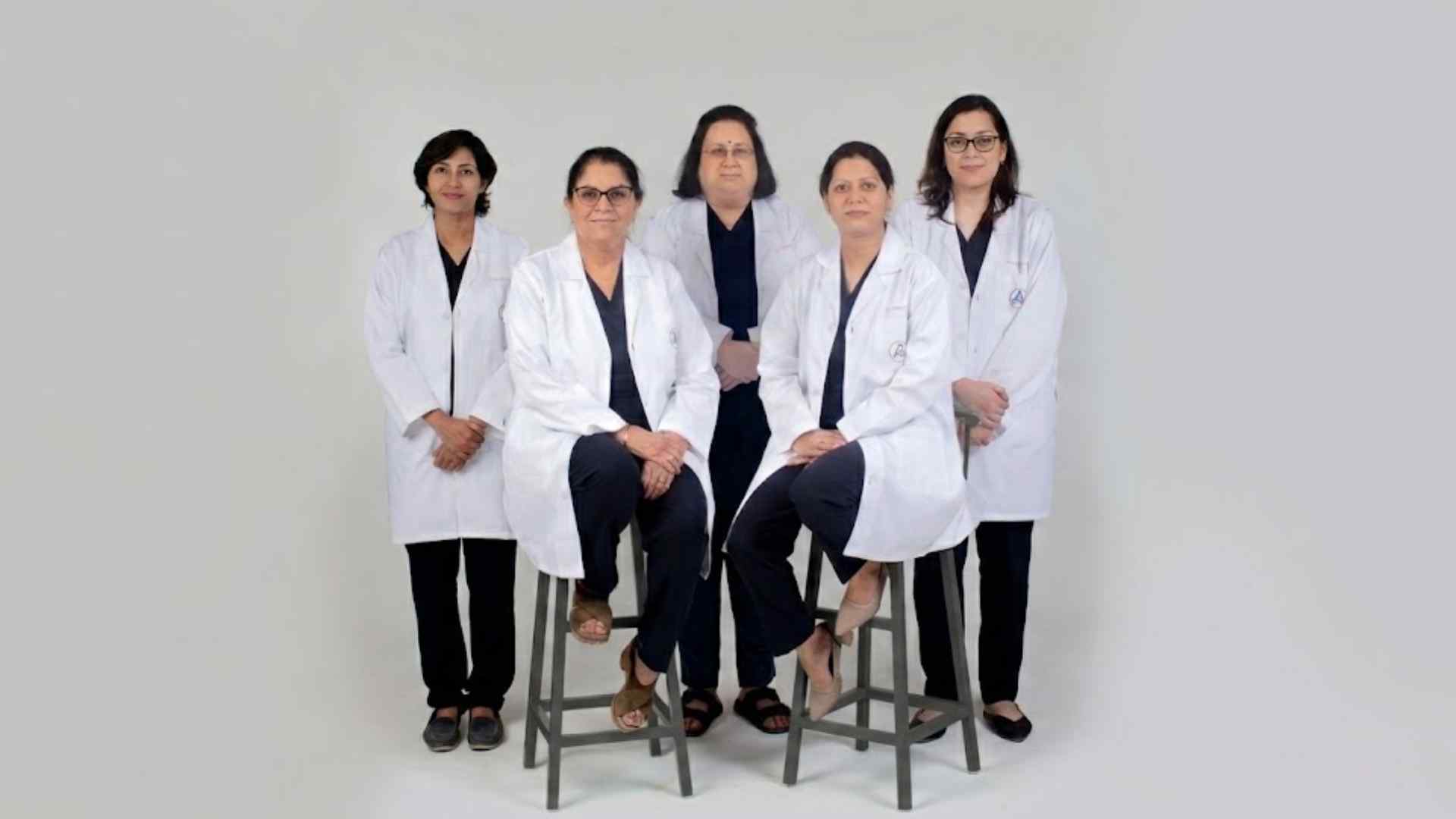
 Moves beyond fragmented treatment models to deliver end-to-end, precision-led care for women.




New Delhi, 27th April 2026: Apollo Athenaa, Asia’s first comprehensive cancer centre dedicated exclusively to women, announced the launch of India’s first fully integrated Gynae-Oncology and Robotic Surgery ecosystem, designed to address one of the most critical and underserved gaps in cancer care for women.
Gynaecological cancers continue to pose a significant and growing burden in India. According to GLOBOCAN 2022, gynaecological cancers rank among the leading cancers affecting Indian women, contributing substantially to cancer-related morbidity and mortality. Complementing this, 2025 data from the Indian Council of Medical Research shows over 1,71,000 new cases of female genital cancers and nearly 86,000 deaths in a year pointing to a significant mortality burden. Despite this high disease burden, access to specialised, integrated care remains limited, treatment pathways are often fragmented across multiple providers, and early-stage specialist intervention continues to be out of reach for a large proportion of patients.
In response to this growing crisis, Apollo Athenaa’s newly launched Gynae-Oncology and Robotic Surgery facility is designed to bridge the critical gap between rising case volumes and access to specialised, integrated care. By bringing together early detection, precision diagnostics, advanced robotic and minimally invasive surgery, and comprehensive post-treatment support within a single, coordinated framework, the ecosystem eliminates the need for patients to navigate fragmented care pathways across multiple providers. At its core, the model enables timely specialist intervention which is one of the most crucial factors in improving outcomes in gynaecological cancers, while also expanding access to fertility-preserving treatments, high end surgical intervention, shorter hospital stay, accelerated recovery and ability to resume their normal lifestyle and pathways. By embedding multidisciplinary expertise into every stage of the patient journey, Apollo Athenaa is not only addressing the shortage of integrated, gender-specific cancer centres in India but also setting a new benchmark for how women’s cancers are treated, holistically, precisely, and with continuity of care.
Dr. Preetha Reddy, Executive Vice Chairperson, Apollo Hospitals Group said, “Apollo Athenaa was founded on a resolute belief that women deserve a cancer care system designed entirely around them. Now, with the launch of this integrated Gynae-Oncology and Robotic Surgery ecosystem at this dedicated women’s cancer care hospital, beyond adding capability, we are also redefining the standard of care. At the heart of this advancement is a significant strengthening of our clinical depth, bringing together a superlative team of specialists with global expertise and high-volume surgical experience. Their integration into a single, coordinated ecosystem enables a level of precision, consistency, and clinical excellence that was previously difficult to achieve. At the core, it is about closing a long-standing gap in the system and building a model that delivers precision, continuity, and compassion at every stage of a woman’s journey.”
As part of this strategic expansion, Apollo Athenaa has onboarded two of the country’s most accomplished gynae-oncology specialists: Dr. Rupinder Sekhon as Principal Lead, Gynae-Oncology & Robotic Surgery and Dr. Amita Naithani as Senior Consultant, Gynae-Oncology & Robotic Surgery significantly elevating the institution’s surgical depth and clinical capabilities.
Together, they bring a rare combination of global training, high-volume surgical expertise, and advanced robotic proficiency, introducing a level of precision, standardisation, and clinical decision-making bringing in a new era of international precision standards and clinical authority to Indian patients. Their integration into Athenaa’s ecosystem marks a shift from individual expertise to institutionalised surgical intelligence, enabling the development of structured early diagnosis protocols, stronger referral pathways, and consistently improved patient outcomes at scale.
Dr. Rupinder Sekhon, Principal Lead, Gynae-Oncology and Robotic Surgery, Apollo Athenaa, said: “Cancer care for women must be designed around her life, not just her disease. Today, advances in minimally invasive and robotic surgery are enabling us to preserve fertility, reduce complications, and significantly improve recovery and long-term outcomes. What makes this model powerful is the integration, where every aspect of care is connected and aligned to what truly matters to the patient.”
Athenaa’s efforts are aligned with the urgent need to transform women’s cancer care in India, from fragmented, reactive treatment to a more integrated, patient-centric model. By bringing together specialised expertise, advanced robotic technologies, and multidisciplinary support within a single ecosystem, the institution is enabling more timely interventions, improved outcomes, and a more holistic care experience for women navigating cancer.






.jpeg)










.jpg)
.jpg)
.jpg)
.jpg)
.jpg)
.jpg)


.jpg)