 Thursday, November 19, 2026
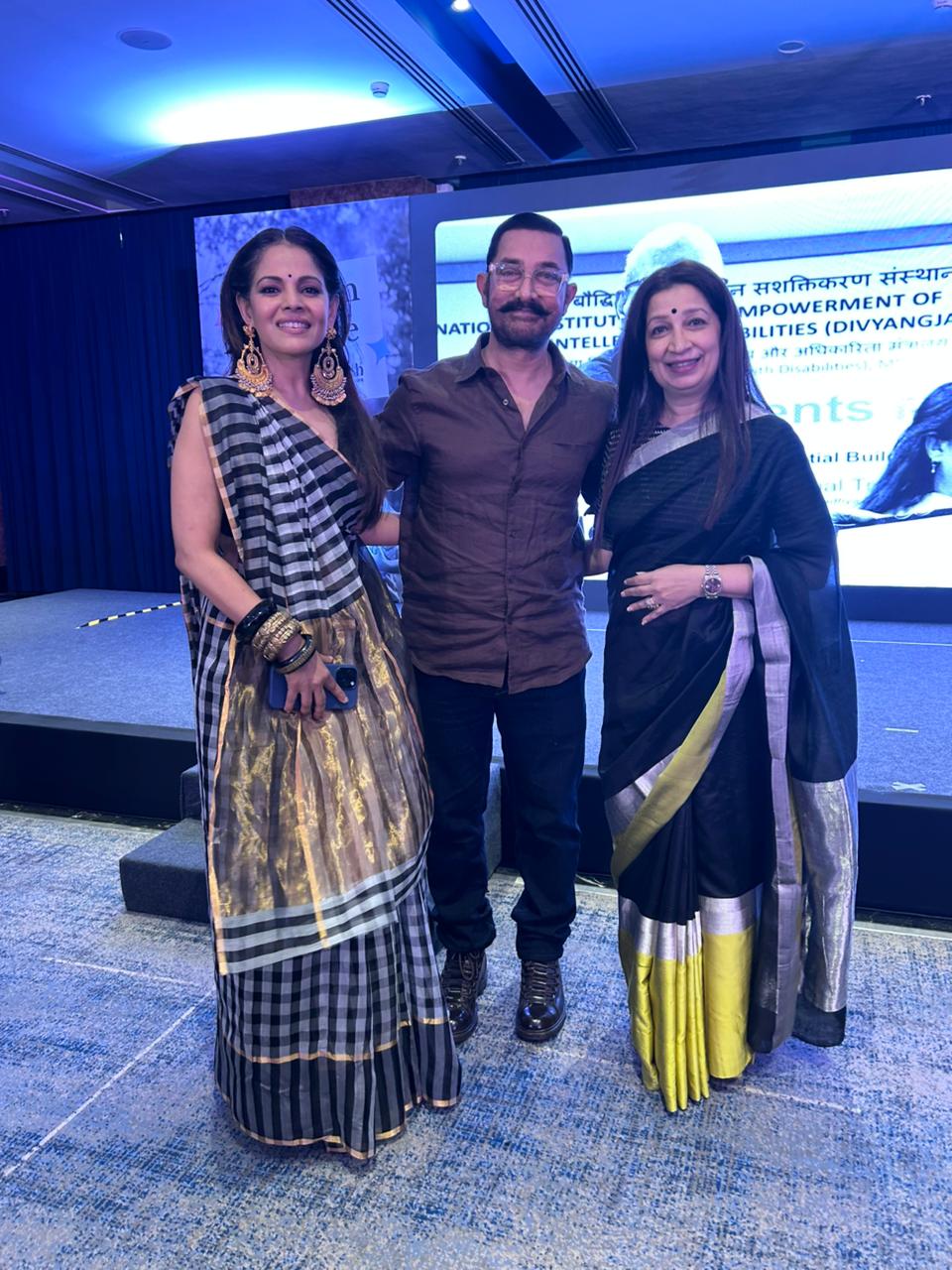
 The ceremony recognised individuals and organisations advancing dignity, access and opportunity for neurodivergent and intellectually disabled individuals.





Mumbai, December 10, 2025: Arth by Emcure, in collaboration with Jai Vakeel Foundation, hosted “Inclusion Ke Sitaare” at JW Marriott Mumbai Juhu to recognise individuals and organisations supporting inclusion through education, employment, representation and community participation for neurodivergent and intellectually disabled individuals.
Actor Aamir Khan attended as Chief Guest and spoke about the role of families, caregivers and educators in building acceptance, encouraging more people to support inclusion in everyday life. The event was led by Namita Thapar, Executive Director of Emcure Pharmaceuticals and founder of Arth by Emcure, and Archana Chandra, CEO of Jai Vakeel Foundation, who emphasised that true inclusion comes when every person feels valued, accepted and able to participate equally in society.
Awards were presented to contributors from across India who have taken meaningful steps to remove barriers and build inclusive environments. The honours included recognition for Akshar School for inclusive education, Sol’s Arc for expanding inclusive employment opportunities, Astha for enabling accessible public services, and Buddy Up Network for responsible and positive media representation. Dr. Smita Mahobia was also acknowledged for her individual efforts in guiding families and creating supportive pathways.
The awardees were selected by a jury comprising Dr. Justice D. Y. Chandrachud, former Chief Justice of India, Shilpi Kapoor, Founder of BarrierBreak, Arman Ali, former Director of the National Centre for Promotion of Employment for Disabled People, Kanchan Pamnani, Advocate and Solicitor, and R. S. Prasanna, Film Director. The jury reviewed eligible nominations and deliberated to identify those advancing meaningful inclusion in their communities.
A performance by a children’s group that included children with intellectual disabilities opened the evening, reflecting the confidence and joy that participation brings.
According to a 2022 systematic review published in the Journal of Neurosciences in Rural Practice, the estimated prevalence of intellectual disability in India is around 2 percent, indicating that millions of individuals require sustained inclusion and support across education and community environments. A 2024 workforce inclusion report by the United Nations Development Programme (UNDP) notes that persons with disabilities in India have a labour force participation rate of approximately 36 percent, much lower than the general population.
Organisers said such gaps highlight why recognition of inclusive practices can encourage more schools, workplaces and civic systems to support people with intellectual disabilities in everyday life.
Speaking at the event, Ms. Thapar said inclusion is meaningful when every child and adult can participate with confidence and support. Ms. Chandra added that acknowledging supporters and advocates helps families feel encouraged and recognised in their efforts.
Families, educators and supporters attended the ceremony, united in the belief that every person deserves the right to belong and be included in society.





-23-300x250.png)





















