 Sunday, October 11, 2026
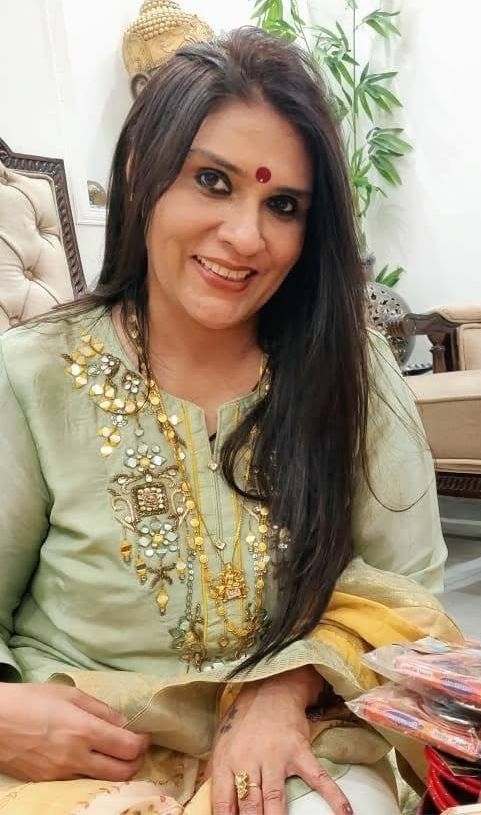
 First time in Asia: Blood Circulation of a 55-Year-Old Woman restarted after death to donate organs.




New Delhi/NCR, 9th November 2025: On 5th November, 55-year-old Ms. Geeta Chawla was rushed to HCMCT Manipal Hospital, Dwarka with difficulty in breathing. She had been bed-ridden and paralyzed due to Motor Neuron Disease, and the family took the difficult decision of not putting her on life support. As she took her last breath on 6th November at 8:43 PM, the family approached the medical team to fulfill her wish of donating her organs. Once her heart stopped and ECG showed flat line for 5 minutes, she was declared dead. A large team of doctors then swung into action. For the first time in Asia, her circulation was restarted by placing her on ExtraCorporeal Membrane Oxygenator (ECMO). Restoration of blood flow kept her abdominal organs alive as she was moved to the OT and transplant teams retrieved her liver and kidneys. The procedure, called Normothermic Regional Perfusion (NRP), kept the organs alive for 4 hours after death, allowing urgent allotment of organs by NOTTO (National Organ and Tissue Transplant Organization).
Her liver was transplanted into a 48-year-old male at ILBS while the kidneys were transplanted into 63-year-old and 58-year-old males at Max Hospital, Saket. Ms. Geeta’s corneas and skin were also donated, offering hope and healing to multiple recipients.
Dr. Shrikanth Srinivasan, Chairman, Manipal Institute of Critical Care Medicine, HCMCT Manipal Hospital, Dwarka, said, “Organ donation in India is usually done in a situation of brain death, when the heart is still beating, and blood supply is continuing to the vital organs. In donation after circulatory death (DCD), as the heart has stopped, there is no circulation, and the organs have to be retrieved within minutes. By starting NRP we were able to not only keep the liver and kidneys alive, but it also gave NOTTO and transplant teams enough time to retrieve, allot and transplant organs.”
Dr (Col) Avnish Seth VSM, Chairman, Manipal Institute of Gastroenterology & Hepato-Biliary-Pancreatic Sciences NCR Cluster, Country Head Manipal Organ Sharing & Transplant (MOST) and Lead of National Consortium on NRP in India said, “In 2024, there were 1128 organ donors after brain death in India, which was 8th highest in the world. We now need to do more and more organ donations after circulatory death. To enable utilization of organs in DCD situation, a National Consortium on NRP was established in 2024. Members of the consortium have worked hard to develop a low-cost hybrid ECMO suited to India. This was the first NRP in Asia and we restricted the circulation to the abdomen, enabling us to transplant liver and kidneys. As we develop more expertise and experience in the country, it will be possible to retrieve organs like pancreas, lungs and even the heart.”
There is a wide gap between patients who need transplants and the organs that are available in India. 1.8 lakh people suffer from kidney failure every year, however, only 13,426 kidney transplants are done in 2023. An estimated 25,000 to 30,000 liver transplants are needed annually in India but only 4491 were performed in 2023. Similarly, of several thousand who suffer from heart failure, only 221 got a heart transplant. In the case of Corneas, about 25,000 transplants are done every year against a requirement of 1 lakh.
The noble act of organ donation highlights the pressing need for organ donations in India, as there is a significant disparity between patients awaiting transplants and the availability of organs. Increasing awareness and participation in organ donation can bridge this gap and offer hope to countless lives in need.






.jpeg)










.jpg)
.jpg)
.jpg)
.jpg)
.jpg)
.jpg)


.jpg)