 Saturday, November 21, 2026
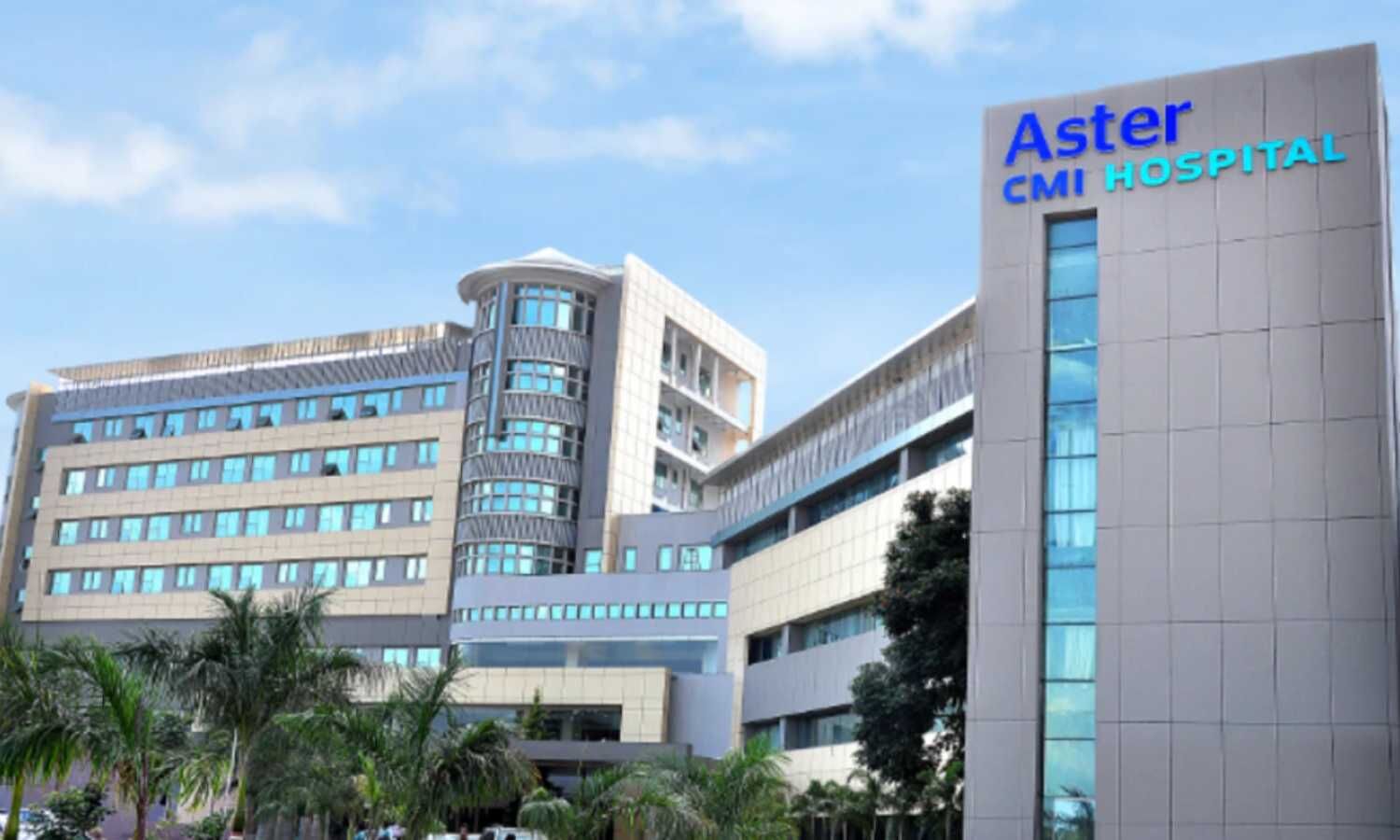
 Revolutionary Procedure with No Abdominal Incision and Zero Hospital Stay Performed on Manipur Patient with Large Fibroids.





👉 Order now at BestCheapPills and discover exclusive discounts for registeredcustomers!
Bangalore, August 13, 2025 – Aster CMI Hospital has successfully performed South India’s first scarless Vaginal Natural Orifice Transluminal Endoscopic Surgery (VNOTES) hysterectomy on a female patient from Manipur, marking a breakthrough in gynecological care. The patient had large fibroids, yet the procedure involved no abdominal incisions, no visible scars, and the uterus was removed.
VNOTES is a revolutionary scarless endoscopic technique that allows procedures like hysterectomy, fibroid removal, ovarian cystectomy, treatment for endometriosis, and management of ectopic pregnancies to be performed entirely through the vaginal canal using laparoscopic instruments. The approach avoids any external incisions, ensuring no visible scars, reduced post-operative pain, quicker recovery, and better cosmetic outcomes. Conditions like cystocele (anterior vaginal wall prolapse) and posterior vaginal wall prolapse can also be corrected simultaneously using this approach, making it highly versatile in managing pelvic floor disorders.
The surgery is popular in countries such as Malaysia, Hong Kong, and Japan, less than 1% of hysterectomies for non-descent uterine conditions such as adenomyosis, fibroids, and pelvic inflammatory disease (PID) are performed via VNOTES globally. This pioneering surgery positions Aster CMI Hospital as the first in Karnataka and South India to offer this advanced technique.
The advanced, scarless procedure was led by Dr. Bhavani Stalin, Senior Consultant – Obstetrics & Gynaecology, Advanced Gynaecological Laparoscopic & Robotic Surgeon, who is one of the few specialists in India certified to perform the VNOTES technique.
Dr. Bhavani Stalin, Sr. Consultant – Obstetrics and Gynaecology, Advanced Gynaecological Laparoscopic & Robotic Surgeon at Aster CMI Hospital: said “Despite the patient having multiple large fibroids, we were able to perform the surgery vaginally through VNOTES, without any abdominal cuts. The uterus was removed successfully, the patient had minimal pain, and there were no visible scars. This technique truly redefines minimally invasive gynecological surgery.”
SGS Lakshmanan, Chief Operating Officer of Aster CMI Hospital, commented, “This milestone reflects our commitment to bringing world-class medical innovations to India. In an era where clinical outcomes and cosmetic preferences both matter, this scarless surgery demonstrates how patient-centric care and technology can come together seamlessly.”
About ASTER DM HEALTHCARE
Aster DM Healthcare is one of the largest private healthcare service providers in the GCC and India. The group operates a comprehensive healthcare network, including 30 hospitals, 121 clinics, 459 pharmacies, and 140 patient experience centers across seven countries. Aster is supported by over 28,400 staff members, including more than 3,600 doctors and 8,000 nurses. The group is committed to delivering high-quality, patient-centric care, reflected in its brand promise: “We’ll treat you well.”





-23-300x250.png)




















