Tuesday, October 27, 2026
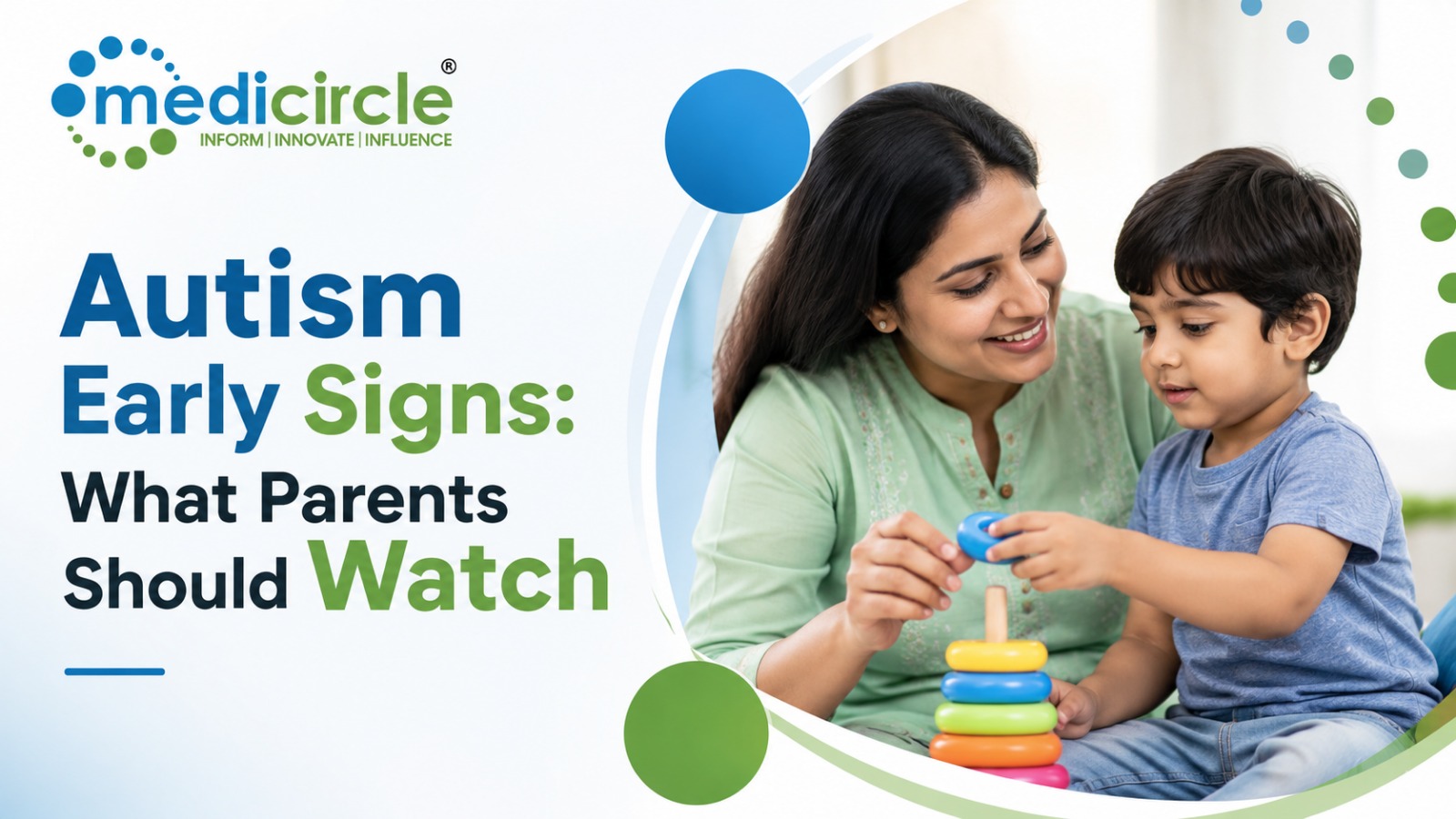
 Recognizing the initial, subtle indicators of autism before a child turns three can change everything, allowing parents to access the right guidance and targeted therapies early.





Autism Early Signs: What Parents Should Watch Before Age 3
Watching a young child grow is a journey filled with unforgettable milestones, from their very first social chuckle to those clumsy, wonderful first steps. Every baby develops on a personal timeline, but paying close attention to how your little one communicates, plays, and connects with people offers a vital window into their growth. Autism Spectrum Disorder is a neurodevelopmental condition that shapes how a child experiences the world and interacts with the people around them. For families in India, recognizing the initial, subtle autism early signs before a child turns three can change everything. Spotting autism symptoms early allows parents to access the right guidance and targeted therapies, which dramatically enhances learning, social skills, and overall quality of life for the child. Early detection through vigilant observation ensures that children receive timely support during their most critical formative years.
Shifting Indian Perspectives
In many Indian families, it is incredibly common for well-meaning relatives to dismiss early developmental differences. Grandparents or uncles might say that his father did not speak until he was three, or that she will catch up once she starts playschool. While it is true that some children are simply late bloomers, it is crucial to recognize when a delay points to a broader behavioral pattern rather than a simple variation in speech.
Autism is a spectrum, meaning it presents quite differently from one child to the next, specifically impacting social interactions, behavior, and how sensory information is processed. Fortunately, awareness around neurodevelopmental health is growing across both urban and rural parts of India. Digital health resources work to translate complex clinical insights into practical parenting advice, giving families the confidence to seek an early autism test or evaluation instead of waiting out of hesitation. Embracing the fact that autism is not a disease, but rather a unique way the brain is wired, helps dissolve social stigmas and encourages families to seek support early.
First Year Indicators
Long before a baby speaks their first word, they are already communicating constantly. Infants use eye contact, facial expressions, and vocal babbles to bond with their parents and caregivers. These subtle shifts can reveal the first signs of autism in babies.
Eye Contact Differences
One of the most frequent early signs is a tendency to avoid eye contact. Most neurotypical babies naturally seek out the faces of their parents during feeding, changing, or playing. A baby on the autism spectrum, however, may look away, look past you, or focus intensely on an inanimate object in the room instead of engaging with your eyes.
Missing Shared Joy
By the time they are six months old, most infants react to a parent's smile with a big grin of their own. If a baby rarely shows joyful expressions, does not laugh during playful interactions, or seems unresponsive to warm, shared moments, it is an observation worth noting down.
Ignoring Their Name
Around the nine or ten month mark, babies typically turn their heads when someone calls their name. An infant showing indicators of mild autism in toddlers or infants might completely ignore your voice, acting as though they did not hear you. This often leads parents to initially suspect a hearing problem, even though the child might react perfectly fine to ambient noises like a television jingle or a loud horn outside.
Toddler Red Flags
As children cross into their second year, their communication becomes much more deliberate. They begin using their hands and bodies to show you what they want and start exploring their world with intense curiosity. This is often the stage where autism signs in 2 year old toddlers become much more apparent to primary caregivers.
Absent Gestures
By 12 months, toddlers usually use basic gestures to tell you what they need, such as waving goodbye, shaking their head, or pointing at a toy. A toddler who does not point to show you something interesting, or who does not look when you point at an object, might be experiencing a delay in social communication.
Speech Delays
Most toddlers say their first single words around 12 months and move on to simple two-word phrases by age two. While a speech delay can happen on its own, missing single words by 16 months or failing to use meaningful two-word combinations by 24 months is an excellent reason to consult a specialist. You might also notice a child repeating words back to you like an echo rather than using them to talk, a habit known as echolalia.
Lost Abilities
One of the most critical warning signs is a regression in abilities. If a child who used to babble, say a few words, or enjoy social games like peek-a-boo suddenly stops doing those things, you should skip the waiting approach and schedule a professional developmental assessment immediately to check for early signs of autism.
Behavioral Quirks
Between their second and third birthdays, a child's behavioral habits and sensory preferences become much easier to observe during day-to-day activities, making it simpler to identify specific signs of autism in 3 year old toddlers.
Repetitive Actions
Children on the spectrum often display repetitive physical movements. This can look like flapping their hands when excited, rocking back and forth while sitting, spinning around, or walking constantly on their tiptoes. They might also play with toys in an unusual, repetitive way, such as lining up blocks by color for hours or spinning the wheels of a toy train instead of rolling it along a track.
Rigid Routines
A deep comfort in predictability is highly characteristic of autism. A toddler might have a severe meltdown over a tiny change in their day, such as taking a new route to the market, moving a piece of furniture in the living room, or serving their food in a different bowl.
Sensory Changes
Many children process sensory information differently. They might be highly sensitive to everyday household sounds, covering their ears at the sound of a mixer grinder, a pressure cooker whistle, or festive firecrackers. On the flip side, some children may show an unusually high tolerance for pain or seek out sensory stimulation by staring directly into light bulbs or smelling random objects.
Milestone Tracking Guide
To help you easily compare typical developmental expectations against potential warning signs, this table outlines what to keep an eye on before your child reaches age three:
|
Age Bracket |
Expected Milestone Tracking |
Potential Warning Signs |
|---|---|---|
|
6 to 12 Months |
Babbles frequently; responds to their name; returns smiles and looks at faces. |
Avoids eye contact; ignores their name; rarely shows joyful expressions. |
|
12 to 18 Months |
Uses gestures like pointing or waving; says individual words; copies simple sounds. |
Does not point or wave; no spoken words; consistently prefers solitary play. |
|
18 to 24 Months |
Puts two words together naturally; follows easy directions; plays creatively with toys. |
Loses previously used words; displays repetitive movements; focuses only on parts of toys. |
|
24 to 36 Months |
Enjoys simple make-believe games; talks back and forth; handles minor routine changes well. |
Demands rigid daily routines; experiences extreme distress over changes; ignores peers. |
Actionable Next Steps
Discovering that your child is missing certain milestones can bring up a wave of anxiety, worry, or confusion. However, taking proactive, organized steps is the most empowering thing you can do for the well-being of your little one.
- Keep a Journal: Write down specific instances of behaviors that worry you, or capture short videos on your phone of their communication and play habits. This is incredibly helpful for doctors during an autism screening consultation.
- Consult Specialists: Set up an appointment with a developmental pediatrician, a child psychiatrist, or a pediatric neurologist. You can look through trusted Indian medical directories or ask your regular pediatrician for a referral to a certified specialist.
- Act Quickly: It is always better to evaluate a child early than to wait until they start school. Even if it turns out to be a minor developmental lag, getting professional clarity gives you a concrete plan.
- Utilize Clinical Screenings: Doctors will use specialized, objective screening questionnaires, like the Modified Checklist for Autism in Toddlers, to accurately assess the progress of your child.
Frequently Asked Questions
Can a child grow out of autism?
No, autism is a lifelong neurodevelopmental condition, meaning an individual does not grow out of it. However, early behavioral therapy, speech support, and occupational therapy can teach children essential communication and life skills, helping them grow into independent, highly functional adults.
Does delayed talking always mean autism?
Not necessarily. Many children experience isolated speech delays without having autism. The core difference is that autism involves a combination of speech challenges alongside difficulties with social interaction and the presence of repetitive behaviors. A comprehensive evaluation by a professional is needed to tell the difference.
What is the earliest diagnostic age?
In many cases, an experienced professional can reliably identify clinical signs of autism by the time a child is 18 to 24 months old. Early developmental screenings are designed to flag these indicators well before a child enters a formal classroom setting.
Conclusion
Guiding a child through their early years requires plenty of patience, observation, and access to trustworthy medical insights. Noticing autism early signs before age three is not about rushing to give a toddler a restrictive label. Rather, it is about truly understanding how they experience life so you can give them the proper support to bloom. In India, access to pediatric therapy, speech specialists, and behavioral counselors is growing faster than ever before. By staying observant, comparing milestones realistically, and relying on your parental intuition, you can take timely, meaningful actions that set up a beautiful, supportive foundation for the entire future of your child.





-23-300x250.png)

.jpeg)






.jpg)
.jpg)
.jpg)
.jpg)
.jpg)
.jpg)
.jpg)
.jpg)
.jpg)