 Wednesday, November 18, 2026
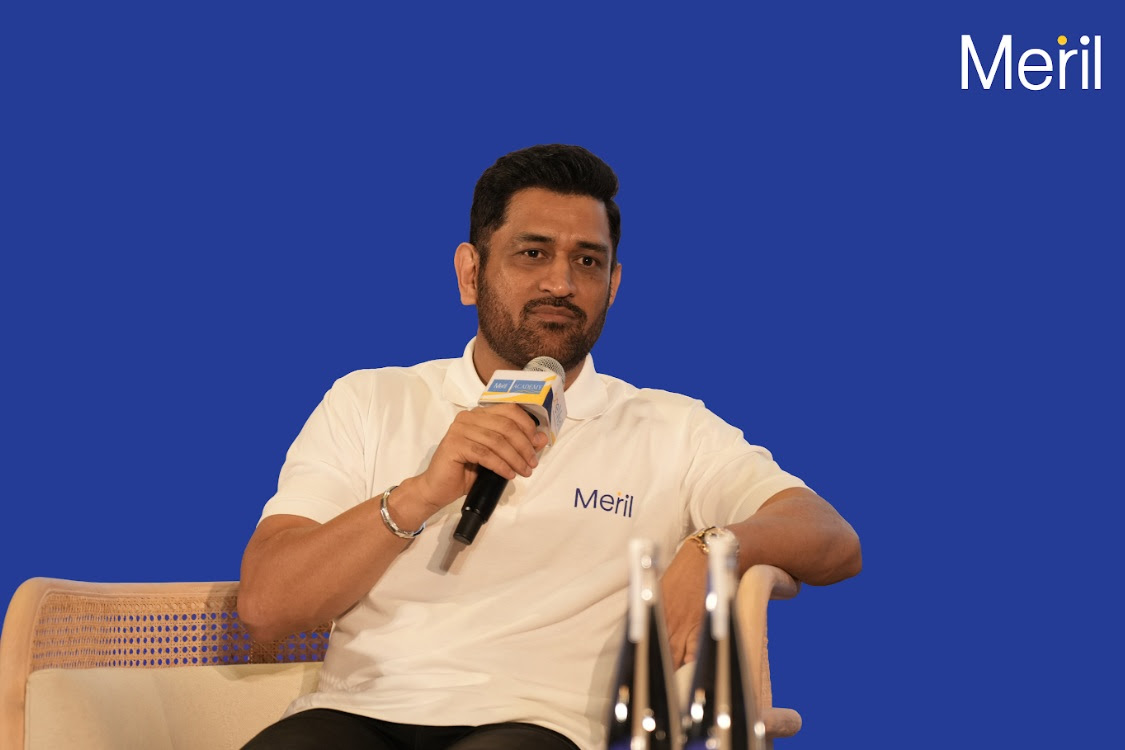
 MS Dhoni’s first visit to Meril’s Vapi campus reinforces the ‘Treatment Zaroori Hai’ movement with a dedicated senior citizen health initiative.





Vapi, Gujarat, India
Marking his first visit to Meril’s global headquater at Vapi, former Indian cricket captain MS Dhoni engaged in a heartfelt and inspiring conversation around “Bachpana Shouldn’t Retire.” “Bachpana Shouldn’t Retire” builds on Meril’s nationwide public health movement, “Treatment Zaroori Hai”, launched to strengthen awareness around timely diagnosis and access to advanced medical therapies.
As a focused extension of this larger movement, “Bachpana Shouldn’t Retire” introduces a dedicated senior citizen health initiative under the Treatment Zaroori Hai umbrella. The campaign reinforces that early detection, preventive screenings and access to innovative treatment options can significantly improve outcomes in cardiac, orthopedic and other age-related conditions — ultimately preserving independence and quality of life in the golden years. The campaign champions a simple yet powerful belief — while age may progress, the spirit of playfulness, curiosity and joy should never fade. The interaction spotlighted the importance of preserving dignity and enthusiasm at every stage of life, especially as India witnesses a steady rise in lifestyle-related conditions among its elderly population .
Speaking about the campaign’s deeper purpose, MS Dhoni emphasized, “I have always believed that taking care of your health is one of the most important things you can do — for yourself and for the people who love you. We all have a responsibility, especially the younger generation, to make sure our parents and grandparents get the care, attention, and support they deserve. Initiatives like Treatment Zaroori Hai are a step in that direction, and I am glad to be part of this.”
A National Movement for Families
Envisioned as a nationwide digital participation movement, the campaign encourages young Indians to spend meaningful time with their grandparents — whether by revisiting a childhood game, sharing a hobby, or simply capturing a joyful everyday moment. By blending emotional connection with preventive healthcare awareness, the initiative reinforces that emotional wellbeing and physical health go hand in hand.
India is witnessing a sharp rise in lifestyle-related health conditions that significantly affect healthy aging. Cardiovascular diseases account for nearly 28% of all deaths in India, making them the country’s leading cause of mortality, according to the Indian Council of Medical Research (ICMR) and the Global Burden of Disease study. At the same time, changing lifestyles and reduced physical activity have accelerated obesity, with the National Family Health Survey (NFHS-5) reporting that over 24% of Indian adults are now overweight or obese. These factors are also contributing to a surge in mobility-related disorders — studies published in the Indian Journal of Orthopaedics and NIH research databases estimate that knee osteoarthritis affects nearly 1 in 4 adults in India, making it a leading cause of disability and a major driver of knee replacement surgeries in the country. Together, these trends highlight the growing need for preventive screening, early medical consultation, and access to advanced therapies to ensure that longer life expectancy is matched with healthier, more active years.
The campaign will be amplified across Treatment Zaroori Hai platforms and Meril’s official media handles, supported by a comprehensive multi-channel outreach strategy spanning print, television, radio, social media and digital platforms to ensure widespread national visibility. With targeted digital viewership milestones, measurable engagement metrics and strategic KOL participation through curated video bytes and expert-led conversations, the movement aims to spark a sustained, measurable dialogue around senior health and active aging.
As India’s population steadily ages, conversations around healthy and dignified aging are becoming increasingly vital. “Bachpana Shouldn’t Retire” stands as a reminder that growing older does not mean stepping away from life’s enthusiasm — and that timely healthcare awareness plays a crucial role in preserving that spirit.
The campaign calls upon families across the country to participate by sharing their own stories — recording short videos, posting heartfelt tributes, or celebrating cherished memories with their grandparents. By sharing these moments across social media through Treatment Zaroori Hai platforms and campaign messaging, individuals can transform personal memories into a collective national narrative that champions senior health, dignity and togetherness.





-23-300x250.png)





















