 Thursday, October 08, 2026
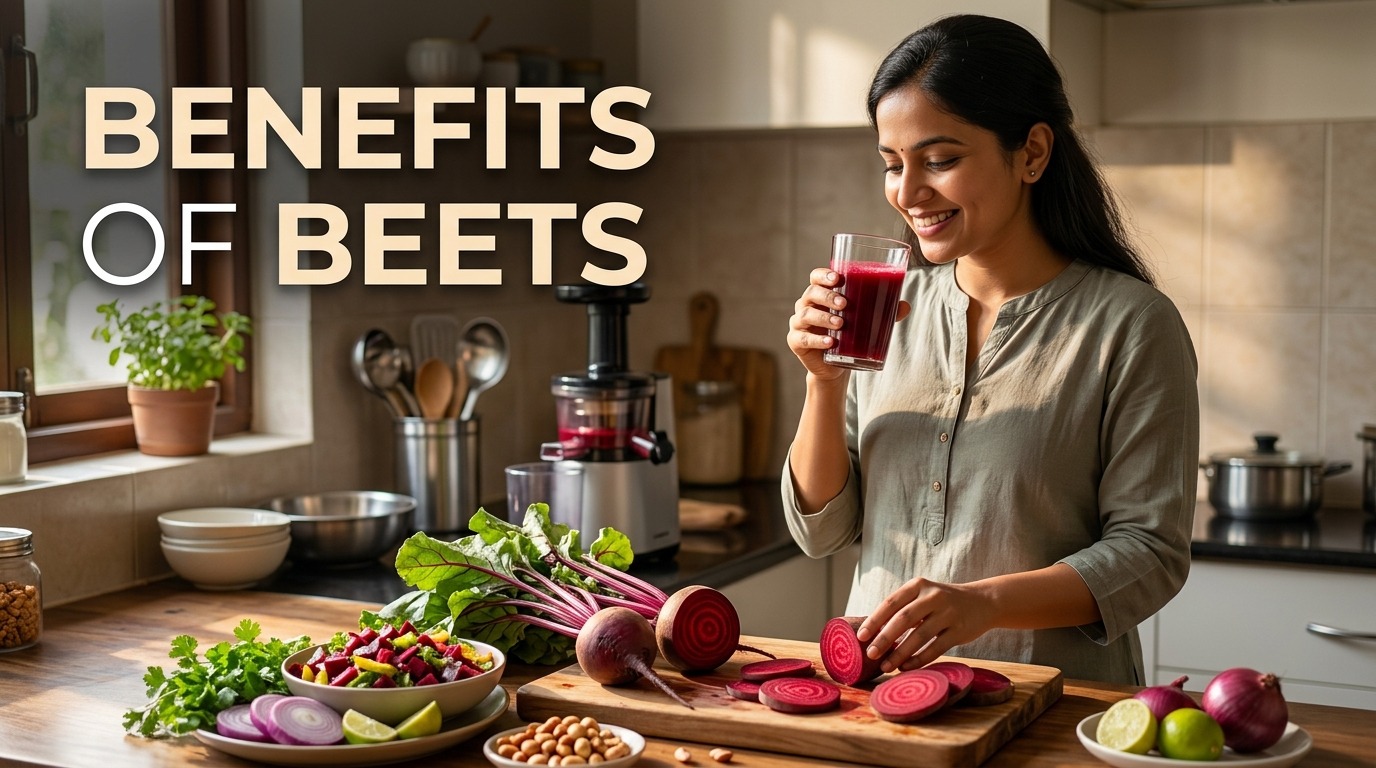
 Beetroot supports blood flow by improving vessel flexibility and oxygen delivery, making it a valuable addition to heart health routines.
Using beetroot juice and consistent dietary habits can help improve circulation naturally and support overall wellness.
Beetroot supports blood flow by improving vessel flexibility and oxygen delivery, making it a valuable addition to heart health routines.
Using beetroot juice and consistent dietary habits can help improve circulation naturally and support overall wellness.





Poor circulation often shows up quietly. Cold hands, low energy, or slow recovery can all point toward reduced blood flow. This is where natural approaches like beets for blood flow gain attention. Many people now ask, do beets help with circulation and whether simple food choices can support heart health. Beetroot has been widely studied for its effect on circulation, and its role goes beyond basic nutrition.
Why Blood Flow Matters More Than People Realize
Blood flow is not just about the heart pumping blood. It is about how efficiently oxygen and nutrients reach every part of the body. When circulation slows down, even slightly, it affects energy levels, muscle recovery, brain function, and overall vitality.
In real-life scenarios, poor circulation may not feel like a serious condition at first. Someone working long hours at a desk may feel tired or experience numbness in their legs. Athletes may notice slower recovery after workouts. These are subtle signals that circulation is not optimal.
This is why people explore natural solutions like beets blood flow support. Beetroot contains compounds that help widen blood vessels, allowing blood to move more freely. This improves oxygen delivery, which directly impacts stamina and daily energy.
Understanding this process explains why people often ask, are beets good for circulation. The answer lies in how beetroot interacts with the body’s natural systems rather than acting as a quick fix.
How Beetroot Actually Improves Circulation
Beetroot works through a simple but powerful mechanism. It contains nitrates, which the body converts into nitric oxide. This compound relaxes blood vessels, improving their ability to expand and carry blood efficiently.
This is the reason behind the growing interest in beetroot for blood circulation. When blood vessels relax, resistance decreases, and circulation improves naturally. This effect is not limited to one group of people. It can benefit those with sedentary lifestyles as well as individuals with active routines.
In practical terms, someone who consumes beetroot regularly may notice improved endurance during physical activity. Others may experience better focus and reduced fatigue. These are not immediate transformations but gradual improvements based on consistent intake.
Many also wonder, do beets improve circulation in measurable ways. Studies and real-world experiences suggest that regular consumption can support better vascular function. This is why beetroot is often considered a natural addition to routines focused on heart health.
Beet Juice and Blood Flow: What Makes It Effective
Among all forms, beet juice for blood flow is one of the most popular ways to consume beetroot. The reason is simple. Juice provides a concentrated source of nitrates, making it easier for the body to absorb and utilize.
People often compare whole beetroot with juice and ask whether there is a difference. While both are beneficial, beet juice blood flow effects may appear more noticeable because of faster absorption. This is especially relevant for individuals looking for quick support before physical activity.
Why Beet Juice Is Commonly Used- Concentrated nutrients support faster circulation response
Drinking beet juice circulation benefits allows the body to absorb nitrates quickly. This can help improve blood flow within a shorter time compared to whole foods, making it useful for people with active routines. - Supports oxygen delivery during physical activity
Many individuals use beet juice for blood circulation before exercise. Improved oxygen flow can enhance endurance and reduce fatigue, which is why it is popular among athletes and fitness enthusiasts. - Convenient and easy to include in daily routine
Preparing beetroot juice is simple, and it fits easily into busy schedules. This makes it a practical option for those looking for consistent support for circulation. - Works as a natural addition to heart health habits
Regular use of beet juice increase blood flow practices can complement other healthy lifestyle habits. It is not a replacement but a supportive addition to overall wellness.
Real-World Use Cases: Who Benefits the Most
The benefits of beetroot are not limited to one group. Different individuals experience different advantages based on their lifestyle and health patterns.
For office workers, prolonged sitting can reduce circulation. Including beetroot for blood flow in the diet may help maintain better energy levels throughout the day. For athletes, improved oxygen delivery supports endurance and recovery.
Older adults may also explore are beets good for blood circulation as a natural way to support vascular health. Over time, blood vessels can become less flexible. Beetroot may help improve this flexibility, contributing to better circulation.
Even individuals with mild fatigue or low stamina often ask, are beets good for your circulation. In such cases, beetroot acts as a supportive food rather than a treatment, helping improve overall function gradually.
How to Use Beetroot for Better Blood Flow in Daily Life
Understanding how to drink beetroot to improve blood flow is important for consistent results. The way beetroot is consumed can influence its effectiveness.
Practical Ways to Include Beetroot- Morning intake supports daily circulation needs
Drinking beetroot juice in the morning allows the body to absorb nutrients early. This can help maintain steady energy levels throughout the day. - Combining beetroot with other foods improves taste and balance
Mixing beetroot with fruits or vegetables can make it easier to consume regularly. This also adds variety without reducing its benefits. - Consistency matters more than quantity
Small, regular intake is more effective than occasional large amounts. This approach supports gradual improvement in circulation. - Hydration enhances overall effectiveness
Staying hydrated helps the body utilize nutrients more efficiently, supporting the overall impact of beetroot on circulation.
Limitations and Considerations to Keep in Mind
While beetroot offers benefits, it is important to understand its limitations. Not everyone experiences the same results, and effects may vary based on individual health conditions.
Some people may not notice immediate changes. This is because circulation improvements often take time and depend on overall lifestyle habits. Diet, activity level, and hydration all play a role.
It is also important to consider who should avoid it. Individuals with certain health conditions or dietary restrictions may need to be cautious. Moderation and awareness are key.
This balanced understanding helps answer questions like are beets good for blood flow without creating unrealistic expectations.
Beetroot as a Natural Support for Heart Health
Beetroot is often linked with heart health because of its effect on blood vessels. Improved circulation reduces strain on the heart and supports overall cardiovascular function.
However, beetroot should be seen as part of a broader lifestyle approach. Balanced nutrition, physical activity, and stress management all contribute to better circulation.
People exploring beets for blood circulation often combine it with other healthy habits. This combined approach creates more sustainable results.
Conclusion
Beetroot offers a natural way to support circulation through its ability to improve blood vessel function. Whether consumed as whole food or juice, beets for blood flow provide gradual and meaningful benefits when used consistently.
Understanding how beetroot works helps set realistic expectations. It is not a quick fix but a supportive addition to daily habits. For those wondering, do beets help blood flow, the answer lies in regular use combined with a balanced lifestyle.
Frequently Asked Questions (FAQs)
1. How quickly do beets start improving blood flow in the body?The effect of beets for blood flow can begin within a few hours after consumption, especially when taken as beetroot juice. This happens because nitrates convert into nitric oxide, helping blood vessels relax. However, consistent intake is needed for noticeable and sustained improvement in overall circulation and heart health.
2. Is beetroot juice better than whole beetroot for circulation?Both forms support blood flow, but beetroot juice may act faster due to easier absorption. Whole beetroot, on the other hand, provides fiber that supports digestion and the gut microbiome. Choosing between them depends on whether the goal is quick support or long-term balance.
3. Can beetroot help with cold hands and poor circulation?Yes, beetroot may support better circulation by improving blood vessel flexibility. People experiencing cold hands or feet often look into beetroot for blood flow as a natural option. Over time, improved circulation can help distribute warmth more evenly across the body.
4. Does beet juice help during exercise or physical activity?Many people use beet juice for blood flow before workouts because it helps improve oxygen delivery to muscles. This can enhance endurance and reduce fatigue. It is often included as a simple home remedy for improving performance naturally.
5. How often should you consume beetroot for better circulation?Consistency matters more than quantity. Including beetroot or beetroot juice regularly in the diet supports gradual improvement in blood flow. Daily or a few times a week intake can help maintain circulation benefits over time.
6. Are beets good for circulation in older adults?Yes, many ask are beets good for your circulation as they age. Beetroot may help support blood vessel flexibility, which tends to reduce over time. Regular intake can contribute to better circulation and overall heart health when combined with a balanced lifestyle.
7. Can beetroot improve brain function through better blood flow?Improved blood flow helps deliver more oxygen to the brain, which can support focus and mental clarity. Since beetroot enhances circulation, it may indirectly support better cognitive performance in daily activities.
8. Is beetroot safe to use as a daily home remedy for circulation?For most people, beetroot works well as a home remedy to support circulation when consumed in moderation. It is important to maintain balance and combine it with other healthy habits to support overall heart health.
9. What is the best time to drink beetroot juice for blood flow benefits?Many prefer drinking beetroot juice in the morning or before physical activity. This timing helps the body utilize nutrients effectively and supports better blood flow throughout the day.
10. Can beetroot replace other lifestyle changes for improving circulation?No, beetroot should not replace essential habits. While beets for blood flow provide support, factors like physical activity, hydration, and balanced nutrition play a major role in maintaining healthy circulation.






.jpeg)








.jpg)
.jpg)
.jpg)
.jpg)
.jpg)
.jpg)


.jpg)
.jpg)
.jpg)