 Monday, October 12, 2026
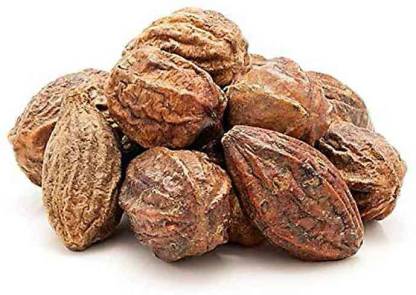
 "Harad" is a valuable gift of mankind to ayurveda. In this article, we are going to reap the benefits of hard and how to consume it for a better lifestyle.




Harad, also known as Haritaki in Ayurveda and Chebulic Myrobalan in English, is one of the most powerful herbs used in traditional Indian medicine. People across India consume it in different forms like harad churna, harad murabba, and powder mixtures with amla to improve digestion, boost immunity, and maintain overall health.
In many Indian households, Harad is considered a natural remedy for stomach problems, skin issues, and even weight management. In this article, we will explore the benefits of harad, different types of harad, and simple ways to consume it for better health.
What is Harad (Haritaki)?Harad is the dried fruit of the tree Terminalia Chebula. In Ayurveda, it is considered one of the most important herbs because it helps balance the three doshas – Vata, Pitta, and Kapha.
Harad is also a key ingredient in Triphala, a famous Ayurvedic formulation made from three fruits:
-
Amla
-
Bahera
-
Badi Harad
The ratio used in Triphala powder is:
-
Badi Harad : Bahera : Amla = 1 : 2 : 4
This combination is widely used for digestion, detoxification, and overall body balance. Many people also consume amla and harad powder benefits together to improve gut health and immunity.
Types of Harad Available in the MarketThere are mainly two types of harad commonly available in India.
1. Chhoti Harad (Small Harad)
Small Harad is actually the raw or unripe fruit. It does not contain seeds and is widely used in Ayurvedic remedies.
Key features:
-
Black in color
-
Flat in shape
-
Commonly used in medicines and powders
Many Ayurvedic practitioners prefer it because the benefits of chhoti harad are particularly helpful for improving digestion and cleansing the intestines. The benefits of choti harad also include better metabolism and relief from constipation.
2. Badi Harad (Big Harad)
Badi Harad is the ripe form of the fruit and contains hard seeds.
Key features:
-
Yellow or brownish color
-
Round shape
-
Used in murabba and herbal preparations
The benefits of badi harad include strengthening digestion, boosting immunity, and improving overall body energy. Many people also search for badi harad benefits in Hindi because it is widely used in traditional home remedies.
Use of Harad in AyurvedaAyurveda explains that Harad helps balance the three doshas when consumed with different ingredients.
-
Kapha balance: Take Harad with rock salt
-
Vata balance: Take Harad with ghee
-
Pitta balance: Take Harad with sugar
Harad has an astringent taste, which helps cleanse the body, purify blood, and support healthy skin.
These properties explain the many benefits of harad herb for internal and external health.
Top Benefits of Harad for HealthHarad is known for its wide range of medicinal properties. Let’s explore the most important benefits harad offers.
1. Improves Digestive Health
One of the biggest benefits of eating harad is better digestion.
Harad helps:
-
Improve bowel movements
-
Reduce constipation
-
Cleanse the digestive tract
This is why many people consume benefits of harad churna daily with warm water at night.
2. Helps in Weight Management
Harad improves metabolism and helps the body digest food more efficiently. Regular consumption may help reduce excess fat and support natural weight loss.
This makes Harad a common ingredient in Ayurvedic weight-management remedies.
3. Boosts Immunity
Harad contains around 18 amino acids, which help strengthen the immune system.
The benefits of black himej (another name for Harad in some regions) include better resistance against infections and improved overall health.
4. Supports Skin Health
One of the lesser known benefits of harad for skin is its ability to purify the blood and remove toxins.
This helps:
-
Improve skin glow
-
Reduce acne and pimples
-
Promote clearer skin
5. Helps Reduce Dark Circles
The benefits of harad for dark circles come from its detoxifying and anti-inflammatory properties. Regular consumption improves blood circulation and may reduce puffiness and pigmentation around the eyes.
6. Improves Energy and Mental Strength
Harad is believed to increase physical strength and mental clarity. People who consume it regularly often report feeling less tired and more energetic throughout the day.
Benefits of Harad Murabba
Harad is also available in the form of murabba, which is made by preserving the fruit in sugar syrup.
The benefits of harad murabba include:
-
Improved digestion
-
Better immunity
-
Increased appetite
-
Strengthened digestive system
Similarly, the benefits of harad ka murabba are especially useful for people who cannot tolerate the bitter taste of raw Harad.
Seasonal Ways to Consume HaradAyurveda suggests consuming Harad differently in each season for maximum benefits.
-
Summer: Take Harad with jaggery
-
Rainy season: Take Harad with rock salt
-
Autumn: Take Harad with sugar
-
Early winter: Take Harad with dry ginger
-
Winter: Take Harad with long pepper (Pippali)
-
Spring: Take Harad with honey
Following these seasonal combinations helps the body stay balanced throughout the year.
ConclusionHarad (Haritaki) is one of the most valuable herbs in Ayurveda. From improving digestion to boosting immunity and supporting skin health, the benefits of harad are truly impressive.
Whether consumed as harad churna, harad murabba, or combined with amla, this powerful herb can naturally support overall health. Including Harad in your daily routine may help maintain a healthy body and mind.
For those interested in natural wellness, understanding the benefits of harad herb and using it correctly can be a simple yet effective step toward better health.





.jpeg)










.jpg)
.jpg)
.jpg)
.jpg)
.jpg)
.jpg)


.jpg)