 Thursday, October 08, 2026
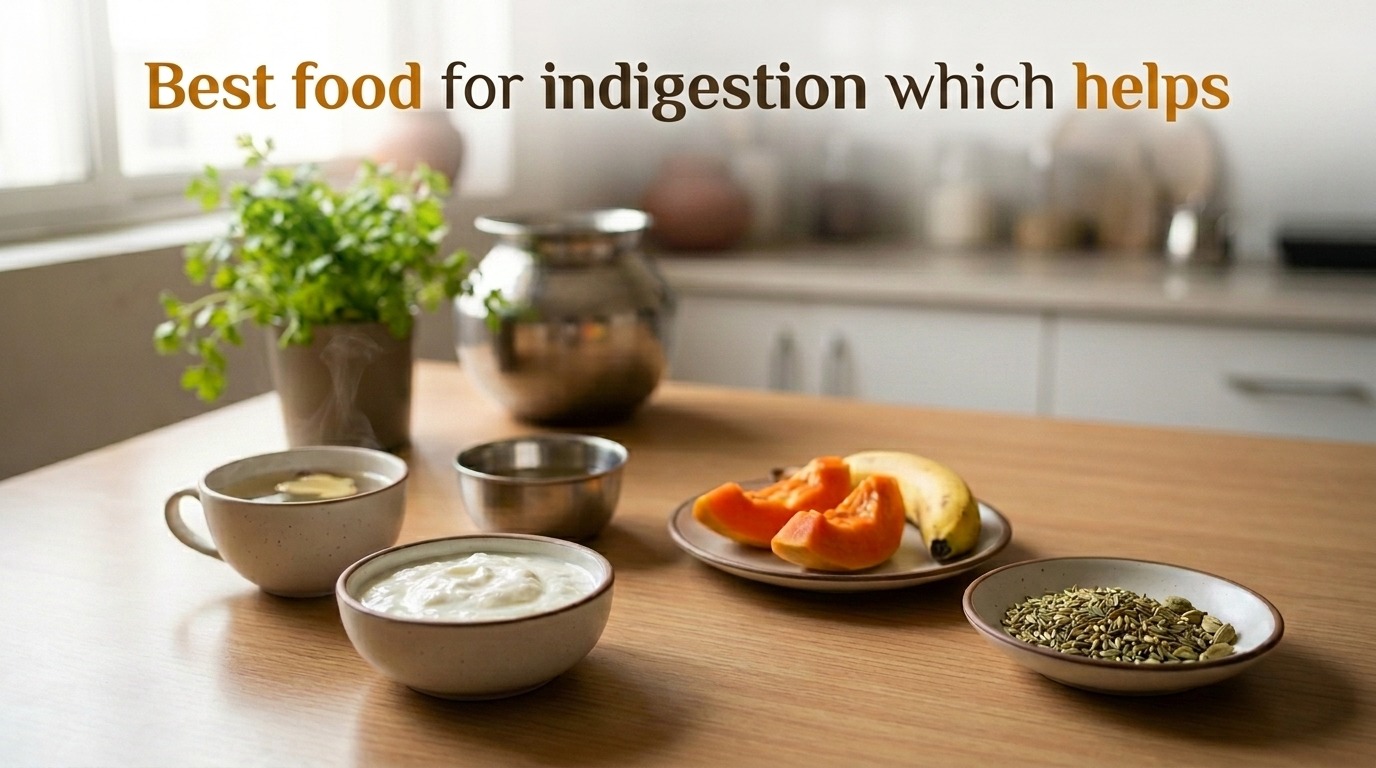
 Choosing the best food for indigestion and following a balanced, low-fat diet supports gut health and reduces acid reflux effectively. Including food that helps indigestion and avoiding triggers improves digestion naturally and ensures long-term comfort.




Best Food for Indigestion Which Helps
Indigestion is not always about overeating. Many people experience discomfort even after normal meals, which often points to food choices rather than quantity. Choosing the best food for indigestion becomes essential when symptoms like bloating, heaviness, or burning sensations start appearing frequently.
Instead of depending on temporary fixes, understanding food that helps indigestion offers a long-term solution that supports digestion and overall gut health.
Why Food Plays a Central Role in Indigestion and GERD
Indigestion is closely linked to how the digestive system reacts to food. The stomach breaks down food using acids and enzymes, but when the process is disrupted, symptoms begin to appear.
This imbalance often leads to acid reflux or GERD, where stomach acid moves upward and causes discomfort. Certain foods increase acid production, while others act as natural antacids, helping calm the digestive system.
Choosing good food for indigestion supports the gut microbiome, improves digestion, and reduces recurring discomfort. It also helps in managing symptoms like excessive gas, heaviness, and irritation.
How the Gut Reacts to Different Types of Food
Not all foods are processed the same way. Some are light and easy to digest, while others require more effort from the digestive system.
Foods high in fat or processed ingredients slow down digestion and increase the chances of acid buildup. On the other hand, food that helps with indigestion is usually light, low-fat, and rich in fiber.
Understanding this difference is important for managing symptoms effectively.
Best Food for Indigestion That Supports Gut Balance
Choosing the best food for indigestion means selecting foods that are gentle on the stomach and support digestion naturally.
Foods That Help Indigestion and Improve Comfort
- Bananas help neutralize acid and support digestion naturally
Using bananas for indigestion is widely recommended because they act as natural acid-neutralizing foods. They help reduce irritation in the stomach lining and provide quick comfort, especially when symptoms are linked to acid reflux or empty stomach discomfort. - Boiled and low-fat foods reduce digestive pressure significantly
Foods that are lightly cooked and low in oil are easier to process. These options are considered easy to digest and help reduce the workload on the digestive system, making them ideal for long-term relief. - Yogurt supports gut microbiome and improves digestion
Yogurt contains beneficial bacteria that improve gut health. It helps maintain balance in the digestive system and supports better nutrient absorption, making it a reliable good food for indigestion. - Whole grains provide soluble fiber for better digestion
Foods rich in soluble fiber support digestion by regulating bowel movements and reducing bloating. They also act as prebiotic sources, improving overall gut function. - Simple soups and soft meals improve digestion comfort
Warm, light meals are easier to digest and help maintain hydration. They are particularly useful for managing discomfort linked to acid reflux.
Bland Diet as a Strategy for Managing Indigestion
A bland diet focuses on foods that are soft, low in fat, and gentle on the digestive system. This approach is especially useful for people experiencing frequent discomfort or GERD symptoms.
Rice, boiled vegetables, and light meals are examples of food for indigestion that reduce irritation. These foods allow the digestive system to recover and function more efficiently.
This dietary approach is often used during periods of discomfort and helps in achieving natural relief for indigestion.
Carminative Foods and Their Digestive Benefits
Carminative foods are known for their ability to reduce gas and improve digestion. They help relieve pressure in the digestive tract and reduce bloating.
Ingredients such as ginger, fennel, and mild herbs are commonly used to support digestion. These foods improve digestion and help manage symptoms like excessive gas and discomfort.
Including these in daily meals supports better digestive balance and reduces the need for quick fixes.
Foods That Can Trigger Indigestion and Should Be Limited
Understanding food that cause indigestion is just as important as knowing what to eat.
Common Foods That May Worsen Indigestion
- Coffee increases acid production and may trigger discomfort
The link between coffee and indigestion is common because caffeine stimulates acid production. This can worsen symptoms, especially for people sensitive to acid reflux. - Alcohol disrupts digestion and irritates the stomach lining
Alcohol indigestion occurs because alcohol weakens the digestive system and increases acidity. Regular intake may lead to recurring symptoms. - Oily and fried foods slow digestion significantly
High-fat foods take longer to digest, leading to bloating and heaviness. They are a major contributor to digestive discomfort. - Spicy foods may increase irritation in sensitive individuals
While spices can aid digestion in moderation, excessive use can trigger acid reflux and discomfort. - Heavy combinations of food affect digestion efficiency
Mixing incompatible food types can create digestive imbalance and lead to gas or bloating.
Understanding Specific Food Reactions and Individual Differences
Not all foods affect everyone the same way. For example, eggs and indigestion may be well tolerated by some but cause discomfort for others.
Similarly, garlic for indigestion can support digestion in small amounts due to its natural properties. However, excessive use may lead to irritation in sensitive individuals.
Understanding personal tolerance is important for managing symptoms effectively.
Meal Timing and Eating Patterns That Influence Digestion
Eating habits play a crucial role in digestion. Even the best foods may cause discomfort if consumed incorrectly.
Irregular meal timings, long gaps between meals, and late-night eating can disrupt digestion. Eating slowly and maintaining proper intervals between meals allows the digestive system to function efficiently.
These habits support food that helps indigestion and reduce the chances of recurring symptoms.
Dietary Considerations Across Different Age Groups
Digestive needs vary with age. Children may experience indigestion due to irregular eating patterns, while teenagers often face issues due to processed food consumption.
Adults may deal with stress-related indigestion, and elderly individuals may require softer, easy-to-digest foods.
Choosing the best food for indigestion based on age and lifestyle helps in managing symptoms more effectively.
Benefits of Choosing the Right Food for Indigestion
A diet focused on food that helps with indigestion provides long-term benefits. It improves digestion, reduces discomfort, and supports gut health.
It also helps maintain energy levels and prevents recurring symptoms. Over time, consistent dietary habits lead to better digestive balance.
Challenges in Maintaining a Digestive-Friendly Diet
Maintaining a proper diet can be difficult due to busy routines and easy access to processed food. Many people struggle with consistency, which leads to recurring indigestion.
Understanding how to make small but effective changes helps in overcoming these challenges.
Practical Diet Tips to Improve Digestion Naturally
Simple dietary habits can make a significant difference. Choosing lighter meals, avoiding heavy foods, and maintaining consistency are key.
Focusing on food that helps indigestion rather than restrictive diets creates a sustainable approach to managing symptoms.
Conclusion
Choosing the best food for indigestion is one of the most effective ways to improve digestion and reduce discomfort. A balanced diet, proper meal timing, and mindful eating habits play a key role in managing symptoms.
Focusing on food that helps with indigestion allows the body to function naturally and maintain digestive balance. With consistent habits, long-term relief becomes achievable without complexity.
Frequently Asked Questions (FAQs)
1. Which foods are easiest to digest when you have indigestion?
The best food for indigestion includes soft, low-fat, and easy to digest options like boiled vegetables, rice, and yogurt. These foods support the gut microbiome and reduce strain on digestion. Following a bland diet and choosing foods that act as natural antacids can help improve comfort and reduce symptoms.
2. How does gut health affect indigestion and food choices?
Gut health plays a key role in digestion. When the gut microbiome is balanced, food is processed efficiently, reducing discomfort. Choosing food that helps indigestion and including prebiotic foods supports better digestion and long-term digestive balance.
3. Can eating on an empty stomach worsen indigestion?
Yes, eating after long gaps can increase acidity and lead to discomfort. This is why proper meal timing is important. Following how to manage indigestion effectively with smaller meals and lifestyle adjustments helps reduce symptoms caused by irregular eating patterns.
4. Are low-fat diets helpful for indigestion and acid reflux?
A low-fat diet is often helpful because fatty foods slow digestion and increase acid production. Choosing lighter meals supports food that helps with indigestion and reduces the chances of acid reflux and discomfort.
5. What role do fruits play in managing indigestion?
Fruits like bananas are considered good food for indigestion because they help neutralize acid and are easy to digest. These foods act as natural antacids and support natural relief for indigestion, especially when symptoms are mild.
6. Can drinking tea help with indigestion symptoms?
Mild herbal teas can support digestion by calming the stomach and reducing bloating. These are often considered carminative foods in liquid form and are useful as part of remedies for indigestion and gas.
7. Why does irregular eating cause indigestion problems?
Irregular eating disrupts digestion and increases acid production. This leads to discomfort and bloating. Following proper meal timing and healthy gut tips helps maintain balance and supports better digestion.
8. Are homemade foods better for indigestion compared to processed foods?
Yes, homemade meals are usually lighter and easier to digest. They align with food that helps indigestion because they avoid excess oil and additives. Choosing simple, home-cooked meals supports natural remedies for indigestion.
9. How do carminative foods help reduce indigestion symptoms?
Carminative foods help reduce gas and bloating by improving digestion. They support remedies for indigestion and gas and are commonly used in natural treatment approaches for better digestive comfort.
10. What eating habits improve digestion and prevent indigestion?
Eating slowly, choosing smaller meals, and maintaining regular timing are essential habits. These practices support food for indigestion and align with how to manage digestion effectively, helping reduce long-term discomfort.






.jpeg)








.jpg)
.jpg)
.jpg)
.jpg)
.jpg)
.jpg)


.jpg)
.jpg)
.jpg)