Friday, October 23, 2026
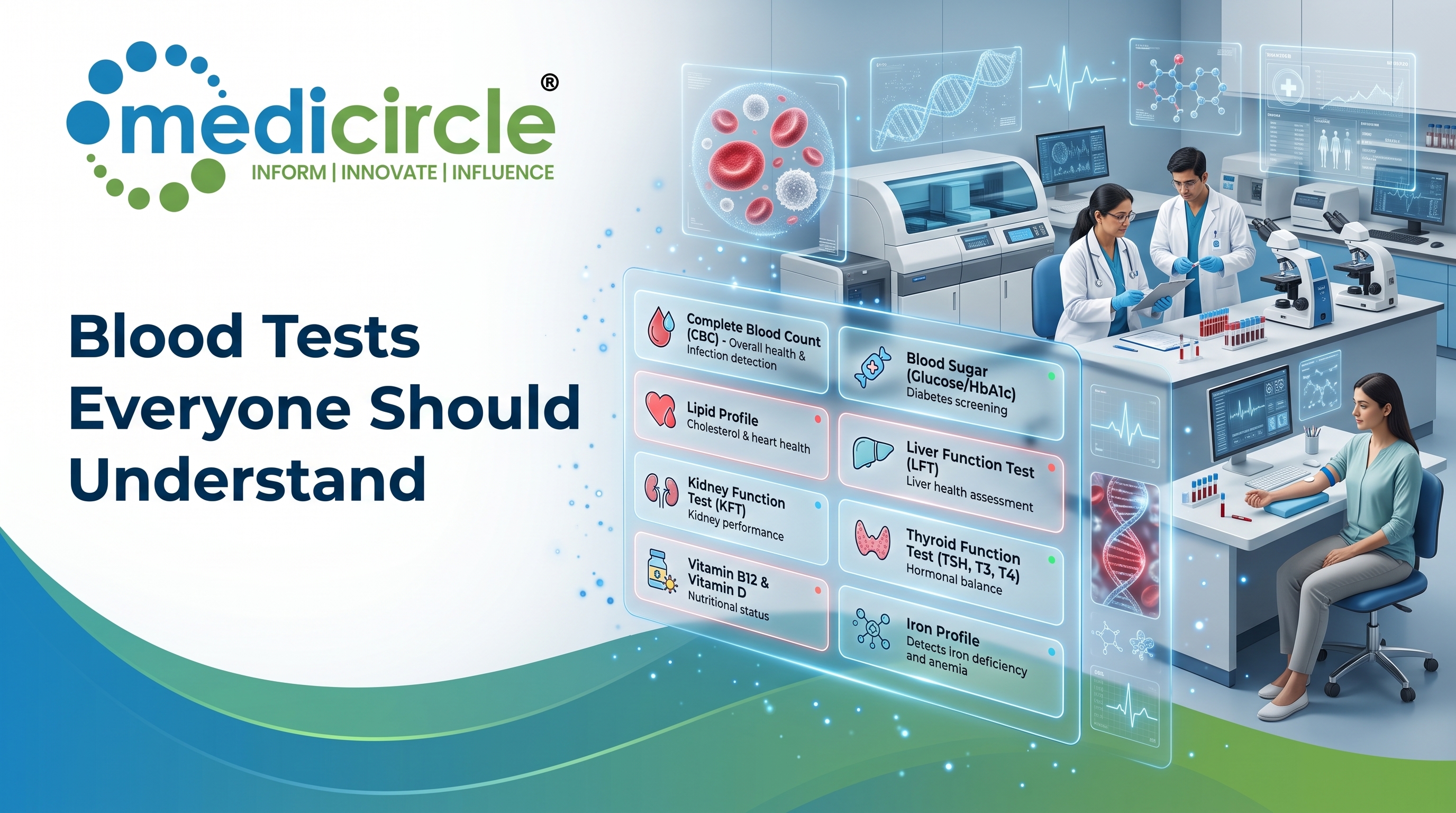
 This article explains essential blood tests every Indian adult should understand, covering CBC, glucose, lipid, thyroid, liver, kidney, and vitamin panels, with India-specific health context.





Introduction
Blood is one of the most information-rich substances in the human body. It carries nutrients, hormones, oxygen, immune cells, and chemical signals that together reflect the overall state of health. A single tube of blood, analysed correctly, can reveal the early signs of diabetes, thyroid disorders, liver disease, anaemia, vitamin deficiencies, and cardiovascular risk, often years before any noticeable symptoms appear.
In India, the burden of non-communicable diseases has grown dramatically over the past two decades. According to the Indian Council of Medical Research, conditions such as type 2 diabetes, hypertension, dyslipidaemia, and hypothyroidism now affect large segments of both urban and rural populations, and many cases go undiagnosed for years simply because people do not get routine blood tests done. The ICMR-INDIAB study estimated that India has over 101 million people living with diabetes, and a significant proportion remain unaware of their condition.
Routine blood testing is not just for the sick. It is one of the most effective tools available for preventive healthcare, helping people understand their baseline health status, track changes over time, and make informed decisions alongside their doctors. This guide breaks down the essential blood tests every Indian adult should be familiar with, explaining what each test measures, what the results mean, and why getting tested regularly matters.
Understanding Blood Tests: What They Are and How They Work
A blood test involves the collection of a small sample of blood, usually from a vein in the arm, which is then sent to a laboratory for analysis. The process is called venipuncture and is performed by a trained phlebotomist. The sample is tested using automated analysers and, in some cases, examined under a microscope.
Blood tests do not provide a diagnosis on their own. Instead, they provide a snapshot of specific values at a particular moment in time. Healthcare providers interpret these results in the context of a patient's clinical history, symptoms, medications, and lifestyle factors. A result that falls slightly outside the normal reference range does not always indicate disease, just as a result within the normal range does not always mean everything is perfectly fine.
The normal reference ranges printed on blood test reports are based on population studies and can vary slightly between laboratories depending on the equipment and methods used. When comparing results across different tests done at different labs, these variations should be kept in mind.
The Most Important Blood Tests Every Adult Should Know
Complete Blood CountThe Complete Blood Count, commonly known as CBC or hemogram, is the most widely ordered blood test in clinical practice and is often the first investigation a doctor requests when evaluating a patient's overall health.
A CBC measures several components of the blood simultaneously. It quantifies red blood cells, which carry oxygen throughout the body; white blood cells, which defend against infections; and platelets, which help blood clot after injury. It also measures haemoglobin, which is the protein within red blood cells that transports oxygen, and haematocrit, which reflects what proportion of the blood volume is made up of red blood cells.
Abnormal CBC results can point to a wide range of conditions. Low haemoglobin levels indicate anaemia, which is one of the most common nutritional disorders in India, particularly among women of reproductive age and children. The National Family Health Survey-5 data showed that over 57 percent of women aged 15 to 49 in India have some degree of anaemia. Elevated white blood cell counts often suggest infection or inflammation, while very low white blood cell counts can indicate immune suppression. Platelet abnormalities can be linked to clotting disorders or conditions like dengue fever, which is endemic in many parts of India.
Blood Glucose TestsBlood sugar testing is essential for the detection and monitoring of diabetes and pre-diabetes, two of the most significant public health challenges facing India today.
The three most commonly ordered glucose-related tests are:
- Fasting blood glucose: Measures blood sugar after at least eight hours without food. A fasting value of 100 mg/dL or below is normal, 100 to 125 mg/dL indicates pre-diabetes, and 126 mg/dL or above on two separate occasions confirms diabetes.
- Postprandial blood glucose (PPBS): Measured two hours after a meal, this test evaluates how well the body manages blood sugar after eating.
- HbA1c (Glycated Haemoglobin): This is the most clinically useful test for ongoing diabetes management. It reflects the average blood sugar level over the past two to three months and does not require fasting. An HbA1c below 5.7 percent is normal, 5.7 to 6.4 percent indicates pre-diabetes, and 6.5 percent or above is diagnostic for diabetes. For people already managing diabetes, the target HbA1c is generally below 7 percent.
Given that India is home to one of the largest diabetes populations in the world, HbA1c testing should be a routine part of annual health check-ups for any adult over 30, particularly those with a family history of diabetes, those who are overweight, or those leading predominantly sedentary lifestyles.
Lipid ProfileThe lipid profile, also called the lipid panel, measures the levels of fats and cholesterol in the blood. This test is critical for assessing cardiovascular risk, which is a growing concern in India, particularly as dietary patterns shift towards more processed and high-fat foods.
A standard lipid profile includes:
- Total cholesterol
- Low-density lipoprotein (LDL), often referred to as "bad cholesterol," which at high levels contributes to arterial plaque formation
- High-density lipoprotein (HDL), or "good cholesterol," which helps clear cholesterol from the arteries
- Triglycerides, which are fats derived from the food we eat and from excess calories stored by the body
LDL below 100 mg/dL is considered optimal. HDL above 60 mg/dL is considered cardioprotective, while levels below 40 mg/dL in men and 50 mg/dL in women are considered risk factors for heart disease. Triglyceride levels above 150 mg/dL are considered elevated. Fasting for eight to twelve hours is required before this test to ensure accurate triglyceride measurements.
Indian populations have a genetic predisposition to dyslipidaemia, particularly low HDL and elevated triglycerides, which contributes to the high burden of coronary artery disease seen even in relatively young Indians. A lipid profile check at least once every three to five years, or annually for high-risk individuals, is strongly advised.
Thyroid Function TestsThe thyroid gland, a small butterfly-shaped structure in the neck, produces hormones that regulate virtually every major metabolic function in the body, including energy levels, heart rate, body weight, and temperature regulation.
Thyroid function tests measure three key values:
- Thyroid Stimulating Hormone (TSH): This hormone, produced by the pituitary gland, signals the thyroid to produce more hormones. It is the most sensitive indicator of thyroid function. A high TSH suggests an underactive thyroid (hypothyroidism), while a low TSH indicates an overactive thyroid (hyperthyroidism).
- Free T3 (Triiodothyronine): The active thyroid hormone that influences metabolism.
- Free T4 (Thyroxine): The storage form of thyroid hormone that converts to T3 in the body.
Thyroid disorders are particularly prevalent among Indian women. Hypothyroidism, which causes fatigue, weight gain, cold intolerance, hair thinning, and constipation, often goes undiagnosed for years. A study published in the Indian Journal of Endocrinology and Metabolism found that thyroid disorders affect approximately 42 million people in India.
Liver Function TestsThe liver performs over 500 vital functions, including filtering toxins, producing clotting proteins, metabolising drugs, and regulating blood sugar. Liver Function Tests (LFTs), also called a liver panel, provide a comprehensive look at how well the liver is performing.
Key values in an LFT include:
- SGOT/AST and SGPT/ALT: Enzymes that rise in the blood when liver cells are damaged. Elevated levels are often the first signal of non-alcoholic fatty liver disease (NAFLD), viral hepatitis, or medication-related liver injury.
- Alkaline Phosphatase (ALP): Elevated in liver disease or certain bone disorders.
- Bilirubin: A waste product from red blood cell breakdown. High bilirubin causes jaundice.
- Albumin: A protein made by the liver. Low albumin levels suggest chronic liver disease or malnutrition.
Non-alcoholic fatty liver disease has emerged as one of the most common liver conditions in India, closely linked to obesity, insulin resistance, and sedentary lifestyles. Estimates suggest that NAFLD affects between 9 and 32 percent of the Indian population. Regular LFT monitoring is advisable for anyone with diabetes, obesity, or those on long-term medications.
Kidney Function TestsThe kidneys filter approximately 200 litres of blood every day, removing waste products and excess fluid. Kidney function tests, often called Renal Function Tests (RFTs), evaluate how effectively the kidneys are performing this critical task.
Important parameters include:
- Serum Creatinine: A waste product of muscle metabolism that healthy kidneys filter efficiently. Elevated creatinine indicates reduced kidney function.
- Blood Urea Nitrogen (BUN): Reflects how well the kidneys are clearing protein waste.
- eGFR (Estimated Glomerular Filtration Rate): Calculated from the creatinine result and adjusted for age, gender, and body size, eGFR is the most reliable indicator of kidney function. An eGFR below 60 mL/min/1.73m² suggests chronic kidney disease.
- Uric Acid: Elevated levels are associated with gout and can also indicate reduced kidney clearance.
Chronic kidney disease is often called a silent condition because it produces no significant symptoms in its early stages. Diabetes and hypertension are the two leading causes of kidney failure in India. Annual kidney function testing is especially important for people with either of these conditions.
Vitamin D and Vitamin B12Despite being a tropical country with abundant sunshine, India faces a paradoxical epidemic of vitamin D deficiency. Studies indicate that over 70 percent of Indians have vitamin D levels below the recommended threshold of 30 ng/mL, largely due to indoor working environments, full-body clothing, darker skin pigmentation, and limited dietary sources of vitamin D.
Vitamin D deficiency contributes to bone loss, muscle weakness, immune dysfunction, and a higher risk of depression and autoimmune conditions. A simple blood test measuring 25-hydroxyvitamin D levels can detect deficiency and guide supplementation.
Vitamin B12 deficiency is equally widespread, particularly among vegetarians and vegans, since B12 is found almost exclusively in animal-derived foods. B12 deficiency causes fatigue, nerve damage, anaemia, and cognitive difficulties. Serum B12 testing is especially recommended for elderly individuals, strict vegetarians, and anyone experiencing unexplained fatigue or numbness in the extremities.
Inflammatory Markers: CRP and ESRC-Reactive Protein (CRP) and Erythrocyte Sedimentation Rate (ESR) are non-specific markers of inflammation. They do not pinpoint a specific cause of inflammation but serve as important indicators that something in the body may require further investigation.
High-sensitivity CRP (hs-CRP) testing, in particular, has gained significant clinical relevance as a predictor of cardiovascular risk. A CRP level above 3 mg/L is considered high risk for cardiac events even in people who do not yet have diagnosed heart disease. ESR is commonly used to monitor autoimmune conditions such as rheumatoid arthritis and lupus.
Recognising Why Routine Testing Matters in the Indian Context
India's healthcare landscape is shaped by a culture of reactive care, where medical help is sought primarily when symptoms become disruptive. This approach is particularly problematic for non-communicable diseases, which often develop silently over years before producing visible symptoms.
The Ayushman Bharat Digital Mission (ABDM) and the National Health Policy emphasise preventive health as a core pillar of India's public health strategy. Under the Ayushman Bharat programme, Health and Wellness Centres (HWCs) across the country now offer basic screening services including blood glucose and blood pressure checks. However, access to comprehensive blood testing remains uneven, particularly in rural and semi-urban areas.
In tier 1 cities like Mumbai, Delhi, and Bengaluru, home blood collection services and digital health platforms have made routine testing more convenient. In tier 2 and tier 3 cities, increasing availability of NABL-accredited diagnostic centres has improved the reliability and accessibility of blood tests. The growing health-consciousness among India's working-age population, particularly post-pandemic, has also driven a significant rise in demand for preventive health packages.
How to Read a Blood Test Report
Understanding a blood test report can feel overwhelming at first. Most reports list each parameter, the patient's result, the reference range, and sometimes a flag indicating whether the value is high or low. Here are some practical points to keep in mind:
Reference ranges are population averages and may vary slightly between laboratories. A result just outside the reference range is not automatically a cause for alarm. Context matters enormously. For example, a slightly elevated white blood cell count in a person who had a mild cold the week before the test is very different from the same result in someone who also has persistent fatigue and night sweats.
Trending results over time are more informative than a single data point. A person whose fasting blood sugar has risen from 88 mg/dL to 98 mg/dL over three years should pay attention even though both values fall within the normal range, as the trend points toward insulin resistance.
Always discuss results with a qualified doctor rather than relying solely on internet interpretation tools. Platforms like Medicircle regularly publish expert-curated content that helps patients understand medical terminology and make sense of their reports in an informed way, but this should complement rather than replace professional medical consultation.
Prevention and Proactive Health Monitoring
Building a habit of annual blood testing is one of the simplest and most impactful things a person can do for their long-term health. Most healthcare providers recommend a baseline health panel that includes a CBC, fasting glucose, HbA1c, lipid profile, thyroid function, liver and kidney function, and vitamin D and B12 levels.
Those with specific risk factors should test more frequently. For instance, people with diabetes should have their HbA1c checked every three to six months. Those on long-term medications such as statins, metformin, or thyroid hormone replacement should monitor liver, kidney, and thyroid values at regular intervals as directed by their physician.
Lifestyle factors significantly influence blood test results. Regular physical activity, a balanced diet rich in whole grains, legumes, vegetables, and healthy fats, adequate sleep, and stress management can meaningfully improve lipid levels, blood sugar control, and inflammatory markers over time.
Conclusion
Blood tests are among the most powerful, accessible, and cost-effective tools available for protecting health. In a country like India, where lifestyle diseases are rising rapidly and preventive healthcare awareness is still developing, understanding even the basics of routine blood testing can make a meaningful difference in health outcomes.
A CBC can reveal hidden anaemia. A fasting glucose test can catch pre-diabetes before it becomes diabetes. A lipid profile can identify cardiovascular risk years before a heart attack. A thyroid test can explain persistent fatigue that has no other obvious cause. These are not abstract medical concepts but actionable health insights available to anyone who chooses to take a proactive approach to their wellbeing.
Medical literacy is the first step toward health equity, and knowing which blood tests matter, what they measure, and how to act on the results is a vital part of that literacy. Resources like Medicircle exist to bridge the gap between complex clinical information and the patients and families who need it most, making credible healthcare knowledge accessible, understandable, and actionable for every Indian.
Frequently Asked Questions
Q1: Which blood tests should every Indian adult get done annually?
Every Indian adult should ideally get a Complete Blood Count, fasting blood glucose or HbA1c, lipid profile, thyroid stimulating hormone, liver function tests, kidney function tests, and vitamin D and B12 levels checked at least once a year. Those with existing health conditions or family history of disease may need more frequent monitoring.
Q2: Do I need to fast before a blood test?
Fasting is required for certain blood tests such as fasting blood glucose, lipid profile, and basic metabolic panels. A fasting period of eight to twelve hours is generally recommended. Other tests like CBC, thyroid function, and vitamin levels do not require fasting. Always confirm fasting requirements with your doctor or diagnostic centre before the test.
Q3: What does an abnormal blood test result mean?
An abnormal blood test result does not automatically indicate a serious disease. Results can fluctuate due to stress, dehydration, recent illness, medications, or laboratory variation. A doctor evaluates abnormal results in the context of your symptoms, medical history, and lifestyle before making a diagnosis or recommending further testing.
Q4: Why is vitamin D deficiency so common in India despite plentiful sunshine?
Despite abundant sunlight, vitamin D deficiency is widespread in India due to factors such as indoor lifestyles, darker skin pigmentation requiring longer sun exposure to produce adequate vitamin D, widespread use of sunscreen and full-body clothing, vegetarian diets with limited natural dietary sources, and predominantly urban desk-bound work patterns. Studies estimate that over 70 percent of Indians have insufficient vitamin D levels.
Q5: How can I use blood test results to improve my health proactively?
Blood test results give you measurable data about your internal health. Borderline high cholesterol, early blood sugar elevation, or low haemoglobin are all conditions where targeted lifestyle changes such as dietary improvement, regular exercise, and appropriate supplementation can significantly improve results over time. Regular tracking of these values helps you and your doctor measure the effectiveness of these interventions before a condition progresses.
Resources
- Indian Council of Medical Research (ICMR): Guidelines, public health data, and national disease burden reports published by India's apex biomedical research body
- Ministry of Health and Family Welfare, Government of India: National health policies, Ayushman Bharat programme details, and preventive health guidelines
- World Health Organisation (WHO) India Country Office: Country-level health statistics, non-communicable disease frameworks, and screening recommendations
- National Family Health Survey-5 (NFHS-5): Comprehensive national data on anaemia, nutrition, and health indicators across Indian states
- Indian Journal of Endocrinology and Metabolism (IJEM): Peer-reviewed clinical research on thyroid disorders, diabetes, and metabolic conditions in Indian populations
Interlinking Keywords
complete blood count India, HbA1c test explained, thyroid function test women, lipid profile normal range, liver function test NAFLD, kidney function test India, vitamin D deficiency India, blood test fasting rules, routine blood test package, preventive health check-up India, blood test report reading, diabetes screening India
Last medically reviewed by:
Medicircle Editorial Health Desk on July 8, 2026
Medical Disclaimer:
This article is intended for general health education and awareness purposes only. It does not constitute medical advice, diagnosis, or treatment recommendations. The information provided should not be used as a substitute for professional medical consultation, diagnosis, or care. Always consult a qualified and registered medical practitioner before making any health-related decisions or before starting, stopping, or altering any treatment. Medicircle does not endorse any specific diagnostic product, laboratory, or medical service.





-23-300x250.png)

.jpeg)
.jpg)
.jpg)
.jpg)
.jpg)
.jpg)
.jpg)
.jpg)
.jpg)
.jpg)