Tuesday, October 27, 2026
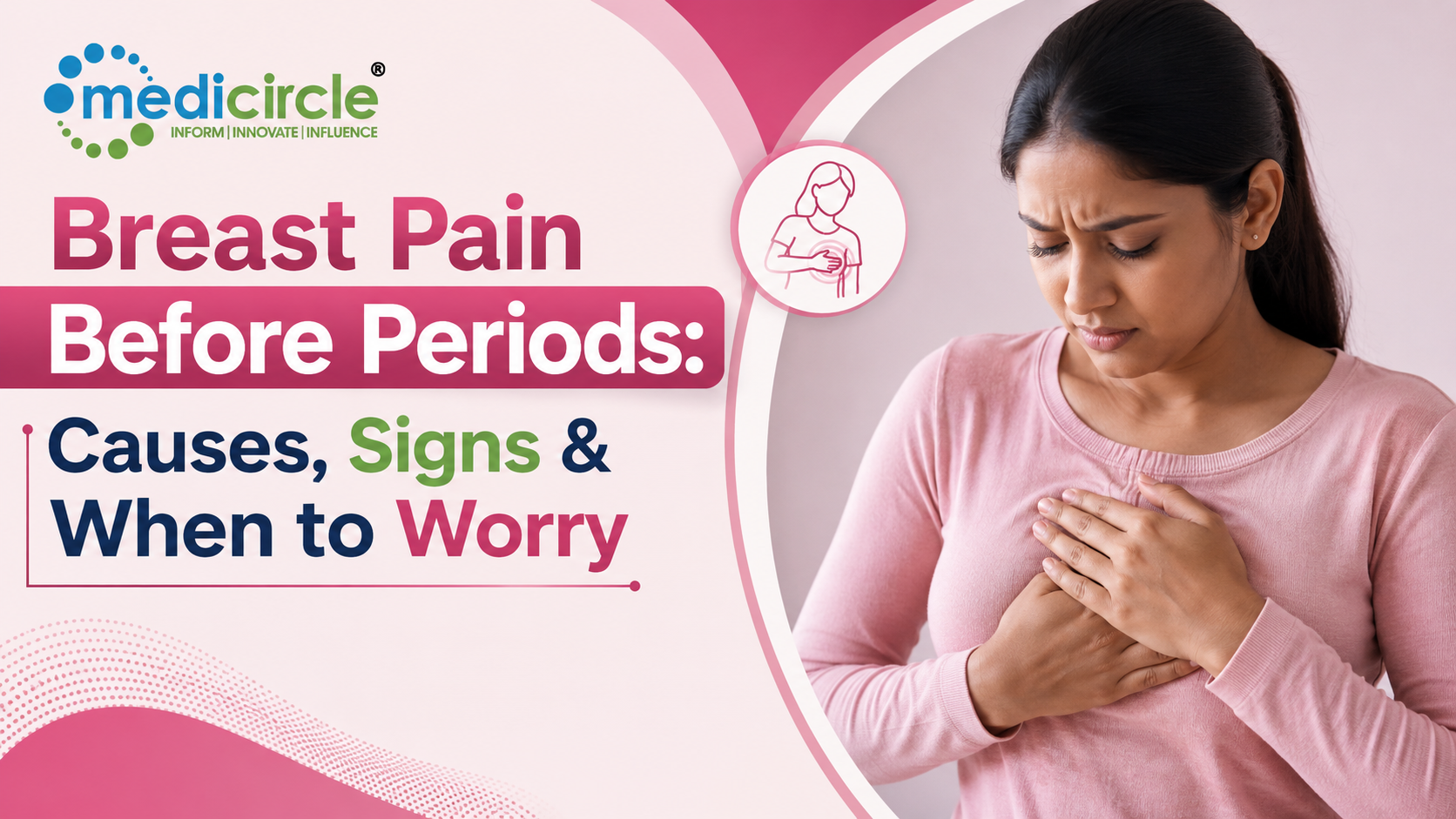
 Breast pain before periods is a normal hormonal symptom in most women, caused by estrogen and progesterone fluctuations. Recognising warning signs helps Indian women seek timely, expert medical care.




Breast Pain Before Periods: When Is It Normal and When to Worry?
Breast pain before periods is one of the most commonly reported premenstrual symptoms among women of reproductive age in India and around the world. For many women, it arrives like clockwork a week or two before menstruation, bringing tenderness, heaviness, or a dull ache that can range from mildly uncomfortable to significantly disruptive. Yet despite how frequently it occurs, it remains a topic that is rarely discussed openly, leaving many women unsure about what is normal and what warrants a medical consultation.
Understanding the biology behind this symptom, recognising the patterns that signal health, and knowing the warning signs that require attention can make a meaningful difference in how women manage their health and seek care. Platforms like Medicircle play an important role in this by connecting Indian women with credible healthcare information and specialist guidance, helping bridge the gap between medical expertise and everyday awareness.
What Causes Breast Pain Before Periods?
The breast pain that occurs in the days leading up to menstruation is medically known as cyclical mastalgia or cyclical breast pain. It is directly tied to the hormonal fluctuations that occur throughout the menstrual cycle, particularly the shifting levels of estrogen and progesterone.
During the second half of the cycle, after ovulation, progesterone levels rise significantly. This hormonal surge stimulates the breast ducts and lobules, causing them to swell. At the same time, estrogen promotes breast tissue proliferation. Together, these hormonal changes cause the breasts to retain fluid, enlarge slightly, and become sensitive to touch. For some women, nerve sensitivity in the breast tissue also increases during this phase, amplifying the perception of pain even when the physical changes are minor.
Prolactin, a hormone that is primarily associated with lactation, can also play a role. Elevated prolactin levels during the luteal phase have been observed in some women with severe cyclical breast pain. Additionally, research suggests that the breast tissue of women who experience significant premenstrual breast pain may be more sensitive to normal hormonal changes rather than producing excess hormones.
What Does Normal Premenstrual Breast Pain Feel Like?
Normal cyclical breast pain typically follows a predictable pattern. It begins roughly one to two weeks before menstruation, during the luteal phase, and resolves within a day or two after the period starts. As hormone levels drop at the start of menstruation, the swelling subsides, and the discomfort fades naturally.
Common Characteristics of Normal Cyclical Breast Pain
The discomfort is usually felt in both breasts, though it may be more pronounced on one side. Women often describe it as a dull, heavy, or achy sensation rather than sharp pain. The outer and upper regions of the breasts are most commonly affected. The breasts may feel fuller, heavier, or lumpier in texture, which is due to temporary fluid retention in the glandular tissue. In some cases, the pain can radiate into the armpits or upper arms.
For most women, this monthly pattern of discomfort is a normal physiological response to the hormonal rhythm of the cycle. It does not indicate a disease process, does not increase the risk of breast cancer, and tends to improve after pregnancy, breastfeeding, or menopause when the hormonal environment changes significantly.
How Common Is This in Indian Women?
In India, cyclical breast pain is widely prevalent but frequently underreported. Cultural norms around discussing bodily discomforts, combined with limited access to specialist gynaecological care in smaller cities and rural areas, mean that many women simply endure the symptom without seeking guidance.
According to available medical literature, cyclical mastalgia affects between 45 and 70 per cent of women at some point during their reproductive years. Among Indian women, hormonal imbalances related to dietary habits, stress, irregular sleep cycles, and the prevalence of conditions like polycystic ovary syndrome (PCOS) can sometimes make cyclical breast pain more pronounced or irregular.
Women in India who consume high-sodium diets, rely on caffeine-heavy beverages, or deal with chronic stress may notice that their premenstrual breast symptoms are more intense. Recognising these lifestyle connections is an important first step toward managing the discomfort effectively.
When Is Breast Pain Before Periods a Concern?
While cyclical breast pain is generally benign and self-limiting, certain changes in the pattern, intensity, or nature of breast pain deserve medical evaluation. Knowing how to distinguish normal discomfort from potentially significant symptoms is essential for every woman.
Pain That Does Not Follow a Cyclical Pattern
If breast pain is present throughout the entire month and does not correlate with the menstrual cycle, it is classified as non-cyclical mastalgia. This type of pain has different potential causes, including musculoskeletal issues such as costochondritis (inflammation of the cartilage connecting the ribs to the breastbone), injury to the chest wall, or underlying breast conditions. Non-cyclical breast pain should always be evaluated by a doctor to determine its origin.
Pain That Is Severe or Increasingly Worsening
Mild to moderate discomfort before periods is expected. However, breast pain that is severe enough to interfere with daily activities such as exercise, work, or sleep warrants professional attention. Similarly, if the intensity of pain has been progressively increasing over several cycles, it is important to rule out underlying hormonal disorders or other conditions.
Pain Accompanied by a Lump or Skin Changes
Any breast pain that occurs alongside a palpable lump, skin thickening, dimpling, or redness must be evaluated promptly. Breast pain alone is rarely the presenting symptom of breast cancer, but when it is accompanied by a lump or visible skin changes, timely examination is critical. In India, where breast cancer awareness and early detection rates are still improving, it is vital that women do not dismiss these combined symptoms.
Nipple Discharge or Changes
Spontaneous nipple discharge, particularly if it is bloody, clear, or occurs without squeezing, combined with breast pain, is a red flag that requires immediate medical evaluation. Changes in the nipple, such as inversion, crusting, or ulceration, alongside pain, should never be ignored.
Pain Only in One Breast
While normal cyclical pain can be more prominent on one side, pain that is consistently and exclusively localised to a single specific spot in one breast throughout multiple cycles should be assessed by a doctor. Localised unilateral pain that does not move or change is more characteristic of a structural issue than a hormonal fluctuation.
Lifestyle Factors That Can Worsen Premenstrual Breast Pain
Certain everyday habits and health conditions have been linked to increased severity of cyclical breast pain. Addressing these factors can offer meaningful relief without medical intervention.
A diet high in sodium encourages fluid retention throughout the body, including in the breast tissue. Reducing salt intake in the two weeks before menstruation can help decrease swelling and tenderness. High caffeine consumption, particularly from tea, coffee, and energy drinks, has also been associated with increased breast pain in some women, possibly due to caffeine's effect on breast tissue sensitivity.
Wearing an ill-fitting bra is a frequently overlooked contributor to breast discomfort. A well-fitting, supportive bra, particularly during the premenstrual phase, can significantly reduce the mechanical strain on breast tissue and ligaments. Excess body weight, particularly abdominal adiposity, is associated with higher estrogen levels, which can amplify hormonal breast symptoms.
Stress is another significant factor. Chronic psychological stress elevates cortisol levels, which in turn can disrupt the hormonal balance that governs the menstrual cycle. For many Indian women juggling professional responsibilities, household demands, and family expectations, managing stress is both particularly challenging and particularly important for hormonal health.
How Is Cyclical Breast Pain Managed?
For most women, cyclical breast pain does not require pharmaceutical treatment. Lifestyle modifications, combined with supportive measures, are sufficient to manage the discomfort effectively.
Applying a well-fitted sports bra or a soft, supportive bra even during sleep in the days before menstruation can provide significant relief. Warm compresses on the affected area can help relax the breast tissue and reduce the sensation of pain. Over-the-counter pain relievers like ibuprofen or paracetamol, taken for a short duration during the peak discomfort days, are generally safe and effective for managing the pain.
Evening primrose oil, which contains gamma-linolenic acid, has been studied for its potential to reduce cyclical breast pain by modulating prostaglandin activity. Some women in India use it as a supplement, though it is important to consult a gynaecologist before starting any supplement, particularly if other medications are being taken.
For women with severe, persistent cyclical breast pain that does not respond to lifestyle changes, a gynaecologist may consider hormonal interventions such as the use of low-dose oral contraceptives, danazol (an androgen), or bromocriptine (which reduces prolactin levels). These are prescription treatments with specific indications and potential side effects, and they should only be used under careful medical supervision.
The Role of Medicircle in Breast Health Awareness
Medicircle, one of India's trusted healthcare media and knowledge platforms, is actively working to change the landscape of health communication for Indian women. Through its network of expert voices, specialist interviews, patient education content, and healthcare brand partnerships, Medicircle provides reliable, accessible information on topics like breast health, menstrual health, gynaecological conditions, and preventive care.
For women seeking to understand symptoms like premenstrual breast pain, Medicircle offers a credible space where expert gynaecologists, oncologists, and women's health specialists share their knowledge. Through its digital platform at medicircle.in, the brand connects healthcare professionals with a broad audience, helping demystify common health concerns and encouraging women across India to seek timely, informed medical care.
Medicircle's approach aligns with the growing need for patient-first, evidence-based healthcare communication in India. For hospitals, gynaecology clinics, diagnostic centres, and women's health brands, Medicircle also provides meaningful visibility and trust-building opportunities through thought leadership and healthcare media services.
When Should You See a Doctor About Breast Pain Before Periods?
A woman should consult a gynaecologist or general physician if her breast pain is severe and disrupts daily life, if it does not improve after periods begin, if it is accompanied by a lump or skin change, if nipple discharge is present, if the pain is localised persistently to one area, or if a new pattern of breast pain develops after the age of 40 or during or after menopause.
In India, gynaecological consultations remain underutilised, particularly in tier-2 and tier-3 cities. Women often dismiss breast symptoms as "just hormonal" without seeking evaluation. While cyclical breast pain is almost always benign, establishing a baseline consultation with a specialist ensures that any future changes are assessed against a known normal for that individual.
Routine breast self-examination once a month, ideally a week after the period ends when the breasts are at their least hormonally stimulated, is a simple habit that every woman should adopt. Knowing how the breasts normally feel makes it far easier to detect any unusual change early.
Conclusion
Breast pain before periods is a normal, hormonal phenomenon for the vast majority of women. Rooted in the natural rise and fall of estrogen and progesterone across the menstrual cycle, it typically presents as bilateral tenderness or heaviness in the days before menstruation and resolves once the period begins. For Indian women, lifestyle factors such as diet, stress, body weight, and the rising prevalence of hormonal conditions like PCOS can sometimes make this symptom more pronounced.
The key distinction that every woman should understand is the difference between predictable, cyclical discomfort and symptoms that fall outside the expected pattern. Pain that is severe, worsening, non-cyclical, accompanied by a lump or skin change, or involves nipple discharge requires prompt medical evaluation. Early consultation with a qualified gynaecologist is always the right step when uncertainty exists.
Platforms like Medicircle continue to play a vital role in making this kind of credible health information accessible to Indian women, empowering them to understand their bodies, recognise warning signs, and seek expert care with confidence.
Frequently Asked Questions
Is breast pain before periods a sign of pregnancy?
Breast pain is a symptom shared by both premenstrual syndrome and early pregnancy because both involve elevated progesterone levels. The pain in early pregnancy is often described as more intense and persists beyond the expected menstrual date. If periods are delayed alongside breast pain, a pregnancy test should be done to rule out pregnancy. However, in most cases, breast pain before periods is simply part of the normal menstrual cycle.
Can breast pain before periods be linked to a serious condition like breast cancer?
Cyclical breast pain that follows the menstrual cycle is not a typical symptom of breast cancer and does not increase the risk of developing it. Breast cancer more often presents as a painless lump, skin change, or nipple abnormality. However, if breast pain is accompanied by a new lump, persistent skin dimpling, or nipple discharge, a doctor should be consulted promptly for evaluation.
What can be done at home to relieve breast pain before periods?
Several home measures can help manage premenstrual breast pain. Wearing a well-fitted, supportive bra, reducing sodium and caffeine intake in the days before menstruation, applying warm compresses to the breasts, and taking over-the-counter pain relievers such as ibuprofen can all provide meaningful relief. Managing stress through exercise, adequate sleep, and relaxation techniques also supports overall hormonal balance and can reduce the severity of symptoms over time.
Breast pain before periods is a normal hormonal symptom in most women, caused by estrogen and progesterone fluctuations. Recognising warning signs helps Indian women seek timely, expert medical care.





-23-300x250.png)

.jpeg)






.jpg)
.jpg)
.jpg)
.jpg)
.jpg)
.jpg)
.jpg)
.jpg)
.jpg)