Sunday, October 25, 2026
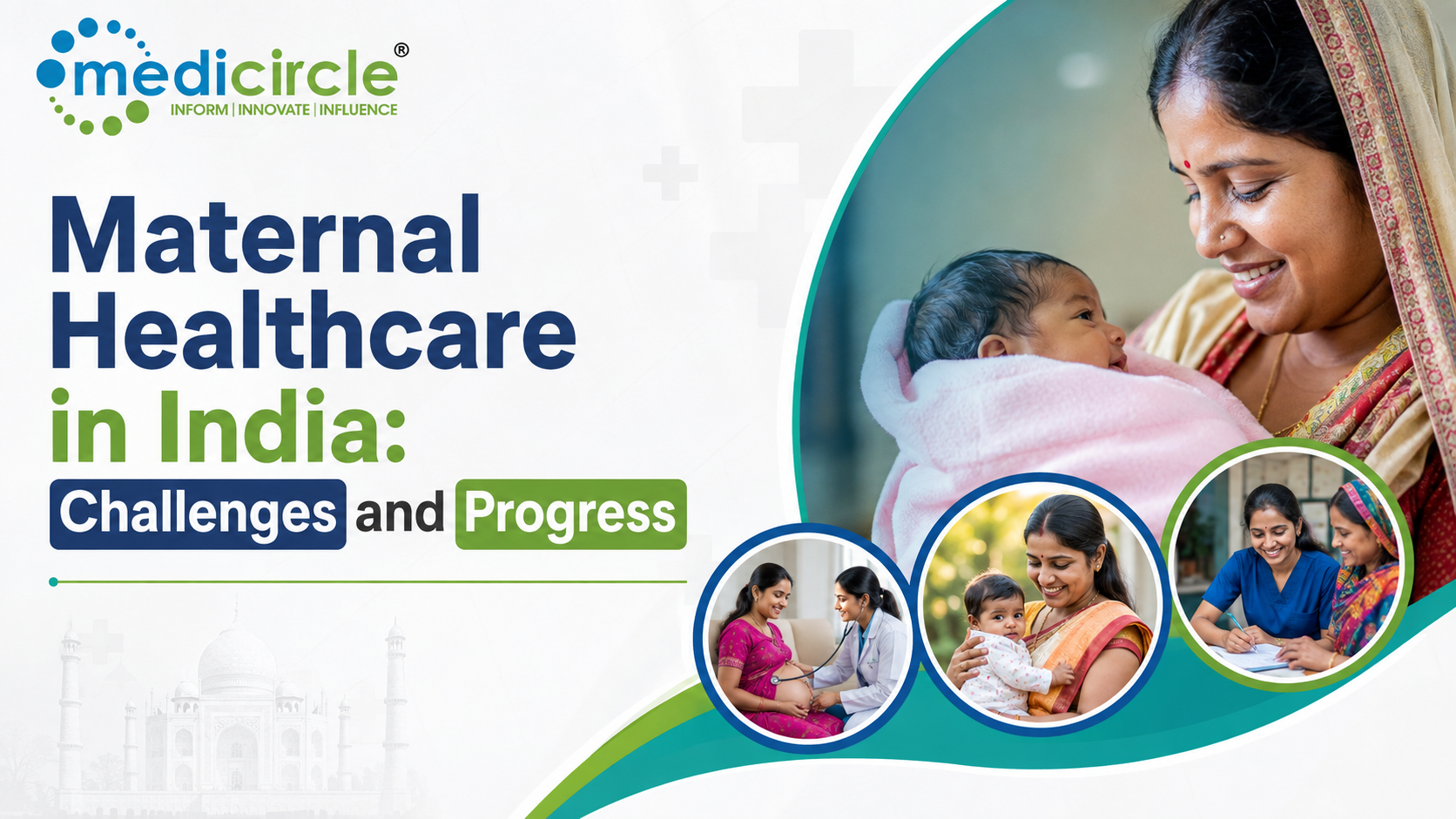
 Maternal healthcare in India has improved significantly, yet gaps persist in anaemia care, rural access, and postnatal services. Awareness, early antenatal care, and government scheme utilisation remain essential.





Introduction
Every year, hundreds of thousands of pregnancies in India begin with hope and expectation, yet far too many end in preventable tragedy. Maternal health, which encompasses the well-being of women during pregnancy, childbirth, and the postpartum period, remains one of the most important and complex public health priorities in the country. India is home to one of the largest populations of women of reproductive age in the world, and the decisions made within the healthcare system directly determine whether millions of mothers survive, thrive, and raise healthy families.
The good news is that India has made measurable progress. The country's Maternal Mortality Ratio (MMR) has declined from 254 per 100,000 live births in 2004-06 to 97 per 100,000 live births during 2018-20, according to the Sample Registration System. This represents a significant national achievement. However, the journey is far from over. The gap between states, the disparity between rural and urban access, and the persistent burden of anaemia, adolescent pregnancy, and limited postnatal care continue to challenge the system.
Understanding what maternal healthcare means in the Indian context, which women face the greatest risks, what warning signs to watch for, and which government programmes offer support, is information that every Indian family needs access to. Medicircle, as a trusted healthcare communication platform, believes that awareness is the first and most powerful step toward saving lives.
Understanding Maternal Healthcare in the Indian Context
Maternal healthcare refers to the full spectrum of health services provided to women from the time they become pregnant through to the end of the postpartum period, typically defined as six weeks after delivery. In its broadest sense, it also includes preconception care and access to safe family planning.
In India, maternal healthcare is shaped by a complex set of factors that vary significantly across states, districts, and communities. A woman delivering in a government hospital in Kerala has access to a very different level of care compared to a woman delivering at home in a remote village in Uttar Pradesh or Jharkhand. This inequality is not simply a matter of geography. It reflects differences in healthcare infrastructure, the availability of skilled birth attendants, awareness of antenatal care, access to nutrition, and the social and economic status of the mother.
The National Family Health Survey-5 (NFHS-5), conducted between 2019 and 2021, revealed that while institutional deliveries have increased significantly, reaching 88.6 percent at the national level, gaps in the quality of care persist. A higher rate of hospital births does not automatically translate into better maternal outcomes if the facility lacks skilled personnel, clean infrastructure, blood availability, or emergency obstetric services.
Maternal health in India also intersects with social determinants such as early marriage, low levels of female education, poor nutrition, and limited decision-making power within households. These factors are not medical in isolation, but they have profound clinical consequences.
Primary Causes and Risk Factors for Maternal Mortality in India
The Leading Medical CausesThe causes of maternal death in India are, in most cases, clinically known and medically preventable. The major complications responsible for the majority of maternal deaths include:
- Severe haemorrhage: Excessive bleeding during or after childbirth remains the single largest contributor to maternal mortality in India. Postpartum haemorrhage (PPH) accounts for a significant proportion of maternal deaths, particularly in settings where skilled birth attendance is absent.
- Sepsis and infection: Infections after delivery, particularly in cases of unsafe or unhygienic delivery practices, cause a significant share of maternal deaths.
- Hypertensive disorders: Pre-eclampsia and eclampsia, conditions characterised by high blood pressure during pregnancy, are major killers that are largely manageable with timely and skilled antenatal care.
- Obstructed labour: Prolonged and obstructed labour without surgical intervention leads to serious maternal and foetal complications.
- Unsafe abortions: Despite legal provisions under the Medical Termination of Pregnancy Act, unsafe abortions continue to contribute to maternal morbidity and mortality in India, especially in areas without access to certified providers.
Beyond the clinical causes, certain groups of women face disproportionately higher risks:
Adolescent mothers between 15 and 19 years of age are at significantly elevated risk because their bodies are still developing. Pregnancy-related complications are the leading cause of death in this age group globally and in India. Early marriage, which remains prevalent in states like Rajasthan, Bihar, Madhya Pradesh, and Jharkhand, is closely linked to adolescent pregnancy and its associated risks.
Women with anaemia face increased risk of haemorrhage-related death. India has one of the highest rates of anaemia among pregnant women in the world. NFHS-5 data showed that more than 52 percent of pregnant women in India were anaemic, a figure that reflects poor nutritional status and inadequate iron and folic acid supplementation.
Women in rural and tribal communities face challenges in accessing healthcare facilities, particularly for emergency obstetric care. Long distances, poor road connectivity, limited referral transport, and a shortage of skilled health workers compound the risk.
Women from economically disadvantaged households are less likely to receive the minimum recommended antenatal care visits, more likely to deliver at home without skilled attendance, and less likely to receive postnatal follow-up.
Women with pre-existing conditions such as diabetes, heart disease, or thyroid disorders require additional monitoring during pregnancy but often do not receive it, particularly in underserved settings.
Recognising the Warning Signs During Pregnancy and Childbirth
One of the most critical aspects of reducing maternal mortality is enabling women, their families, and community health workers to recognise the warning signs that indicate a medical emergency. Early identification and timely referral can be the difference between life and death.
The following warning signs during pregnancy require immediate medical attention:
- Severe or persistent headache, visual disturbances, or swelling of the face and hands (which may indicate pre-eclampsia)
- Vaginal bleeding at any stage of pregnancy
- Fever with chills or foul-smelling vaginal discharge (signs of infection)
- Severe abdominal pain
- Reduced or absent foetal movement after 28 weeks
- Difficulty breathing or chest pain
- Convulsions or loss of consciousness
After delivery, warning signs that require urgent care include heavy bleeding, high fever, severe headache, difficulty in breastfeeding the newborn, or any signs of infection at the site of a caesarean wound. Community health workers, particularly ASHAs (Accredited Social Health Activists), play a vital role in educating families about these signs and ensuring timely referral.
Diagnosis and Medical Evaluation: The Role of Antenatal Care
Antenatal care (ANC) is the foundation of maternal healthcare. Regular check-ups during pregnancy allow healthcare providers to monitor the progress of the pregnancy, identify complications early, manage risk factors, and prepare for a safe delivery.
The World Health Organization recommends a minimum of eight antenatal contacts during pregnancy. India's Ministry of Health and Family Welfare has promoted a structured ANC framework that includes:
- Registration of pregnancy within the first trimester
- Measurement of blood pressure, weight, and fundal height at each visit
- Blood tests for haemoglobin, blood group, HIV, syphilis, and blood sugar
- Urine examination
- Tetanus toxoid immunisation
- Iron and folic acid supplementation for at least 180 days
- Ultrasound examination for foetal wellbeing and anomaly screening
The Pradhan Mantri Surakshit Matritva Abhiyan (PMSMA) is a flagship initiative by the Ministry of Health and Family Welfare that provides free, assured, and comprehensive antenatal care to pregnant women on the 9th of every month at government health facilities. This programme has been particularly effective in identifying high-risk pregnancies and linking them with appropriate specialist care.
Despite these provisions, data consistently show that coverage remains uneven. NFHS-5 reported that only about 58.6 percent of mothers received four or more antenatal visits, with the figure significantly lower in rural areas and in states with weaker health systems. Early and regular ANC registration, especially in the first trimester, remains an area that requires sustained effort and community-level awareness.
Government Initiatives and Treatment Support for Maternal Health in India
India's central and state governments have launched a series of schemes and programmes over the past two decades that have contributed to the observed decline in maternal mortality. Understanding these programmes helps women and their families access the support they are entitled to.
Janani Suraksha Yojana (JSY) is a centrally sponsored cash transfer scheme under the National Health Mission that incentivises institutional deliveries among women from below-the-poverty-line households. By providing financial assistance linked to delivery at government or accredited private facilities, JSY has contributed to a substantial increase in the rate of institutional births.
Janani Shishu Suraksha Karyakaram (JSSK) entitles all pregnant women delivering in public health facilities to free maternity services, including free delivery, caesarean section, medicines, diagnostics, blood transfusion, and diet. The scheme also covers the newborn up to 30 days of life.
LaQshya is a quality improvement initiative focused specifically on improving the quality of care in labour rooms and maternity operation theatres in public hospitals. Its goal is to reduce preventable maternal and newborn deaths through standardised protocols and better infrastructure.
Surakshit Matritva Aashwasan (SUMAN) is a commitment by the Government of India to ensure free, respectful, and dignified maternity care to every woman and newborn visiting a public health facility, with zero tolerance for any denial of services.
At the community level, the ASHA network plays an indispensable role in mobilising women for ANC registration, accompanying them to health facilities for delivery, and facilitating postnatal care follow-up. These frontline health workers have been instrumental in bridging the gap between the healthcare system and the communities it serves.
Prevention and Proactive Maternal Health Measures
Prevention in maternal healthcare begins before pregnancy and extends well into the postpartum period. Proactive steps taken at each stage can significantly reduce the risk of complications.
Before pregnancy: Addressing anaemia, managing existing health conditions, ensuring completion of vaccinations, maintaining a healthy body weight, and seeking preconception counselling are all important preparatory steps. Delaying marriage and first pregnancy until after the age of 18, and ideally after 20, is strongly recommended from a health standpoint.
During pregnancy: Timely registration for antenatal care, attendance at all recommended check-ups, adherence to iron and folic acid supplementation, a balanced diet rich in protein, green leafy vegetables, pulses, dairy, and fruits, adequate rest, and avoidance of tobacco and alcohol are the cornerstones of a healthy pregnancy. For women in areas where anaemia is highly prevalent, dietary counselling should be complemented by clinical supplementation under the guidance of a healthcare provider.
At the time of delivery: All deliveries should take place at a healthcare facility attended by a skilled health professional. Home deliveries carry significantly higher risks, particularly in the event of haemorrhage or obstructed labour, where timely emergency obstetric intervention is not possible.
After delivery: Postnatal care is consistently the most neglected aspect of the maternal health continuum in India. Women and newborns should receive a check-up within 24 hours of discharge, at 3 days, and at 6 weeks postpartum. Signs of postpartum depression, breastfeeding difficulties, wound infections, and physical recovery all require clinical attention. NFHS-5 data shows that only about 78 percent of women received postnatal care from a skilled provider within two days of delivery, with rural coverage considerably lower.
Conclusion
Maternal healthcare in India stands at a turning point. The country has demonstrated, through sustained policy commitment and programme innovation, that it is possible to reduce maternal deaths at scale. The decline in MMR from over 250 to under 100 per 100,000 live births over two decades is a testament to that effort. But the work ahead is as important as the progress already made.
Closing the gaps in anaemia care, adolescent health, postnatal coverage, and the quality of care in public facilities will determine whether India reaches the Sustainable Development Goal target of an MMR below 70 per 100,000 live births by 2030. Equally important is ensuring that every woman, regardless of her state, district, economic status, or caste, receives the respectful and skilled care she deserves.
Platforms like Medicircle serve a critical function in this landscape by making reliable, expert-led healthcare information accessible to a wider audience. When women and their families are informed about warning signs, government entitlements, and the importance of antenatal care, they are better equipped to seek timely help. Awareness, after all, is where prevention begins.
Frequently Asked Questions
Q1: What is the current Maternal Mortality Ratio (MMR) in India?
India's MMR for the period 2018-20, as reported by the Sample Registration System (SRS), stands at 97 per 100,000 live births. This is a significant reduction from 130 per 100,000 live births recorded during 2014-16, reflecting the impact of government health initiatives and improved institutional delivery rates.
Q2: What are the most common causes of maternal death in India?
The leading causes of maternal mortality in India include severe postpartum haemorrhage, sepsis and infections following delivery, hypertensive disorders of pregnancy such as pre-eclampsia and eclampsia, obstructed labour, and complications from unsafe abortions. Most of these causes are preventable or treatable when skilled care is available at the right time.
Q3: What government schemes support maternal health in India?
Several central government schemes are designed to improve maternal health outcomes. These include Janani Suraksha Yojana (JSY), which provides cash incentives for institutional delivery; Pradhan Mantri Surakshit Matritva Abhiyan (PMSMA), which offers free antenatal care on the 9th of every month; Janani Shishu Suraksha Karyakaram (JSSK), which ensures free maternity services at public facilities; and LaQshya, which focuses on improving quality of care in labour rooms.
Q4: Which women in India face the highest maternal health risks?
Women at the highest risk include adolescent mothers between 15 and 19 years of age, women in rural and tribal communities with limited access to healthcare, those from economically disadvantaged households, women with anaemia or pre-existing medical conditions, and women who do not receive regular antenatal care during pregnancy.
Q5: How many antenatal visits should a pregnant woman in India have?
The World Health Organization recommends a minimum of eight antenatal contacts during pregnancy. India's government health programmes promote early pregnancy registration and a structured schedule of visits that includes blood tests, nutritional supplementation, vaccinations, and monitoring of blood pressure and foetal growth. The PMSMA programme provides free comprehensive antenatal care at government facilities on the 9th of every month.
Resources
- Ministry of Health and Family Welfare, Government of India: Official source for national maternal health policy, programme guidelines, and data on schemes such as JSY, PMSMA, and JSSK.
- Sample Registration System (SRS), Office of the Registrar General of India: Provides the latest Maternal Mortality Ratio data and state-level breakdowns used for monitoring India's maternal health progress.
- World Health Organization (WHO) India Country Office: Publishes global and India-specific recommendations on antenatal care, maternal nutrition, and skilled birth attendance.
- National Family Health Survey (NFHS-5), International Institute for Population Sciences (IIPS): Comprehensive household-level data on maternal and child health indicators across Indian states and districts.
- Indian Council of Medical Research (ICMR): Conducts research and publishes evidence-based guidelines on maternal health, anaemia management, and obstetric care in India.
Interlinking Keywords:
antenatal care in India, maternal mortality ratio India, Janani Suraksha Yojana, postpartum haemorrhage, women health India, PMSMA scheme, anaemia in pregnancy, institutional delivery, postnatal care, safe motherhood India
Last Medically Reviewed by:
Medicircle Medical Review Team on 13 August 2026
Medical Disclaimer:
The information provided in this article is intended for general awareness and educational purposes only. It does not constitute medical advice, diagnosis, or a substitute for professional clinical consultation. Readers are strongly advised to consult a qualified and registered medical practitioner for any health concerns related to pregnancy, childbirth, or postpartum recovery. Medicircle does not endorse any specific treatment, drug, or healthcare facility. Always seek the guidance of your doctor or a certified healthcare provider with any questions regarding your health or medical condition.





-23-300x250.png)

.jpeg)


.jpg)
.jpg)
.jpg)
.jpg)
.jpg)
.jpg)
.jpg)
.jpg)
.jpg)