Friday, October 23, 2026
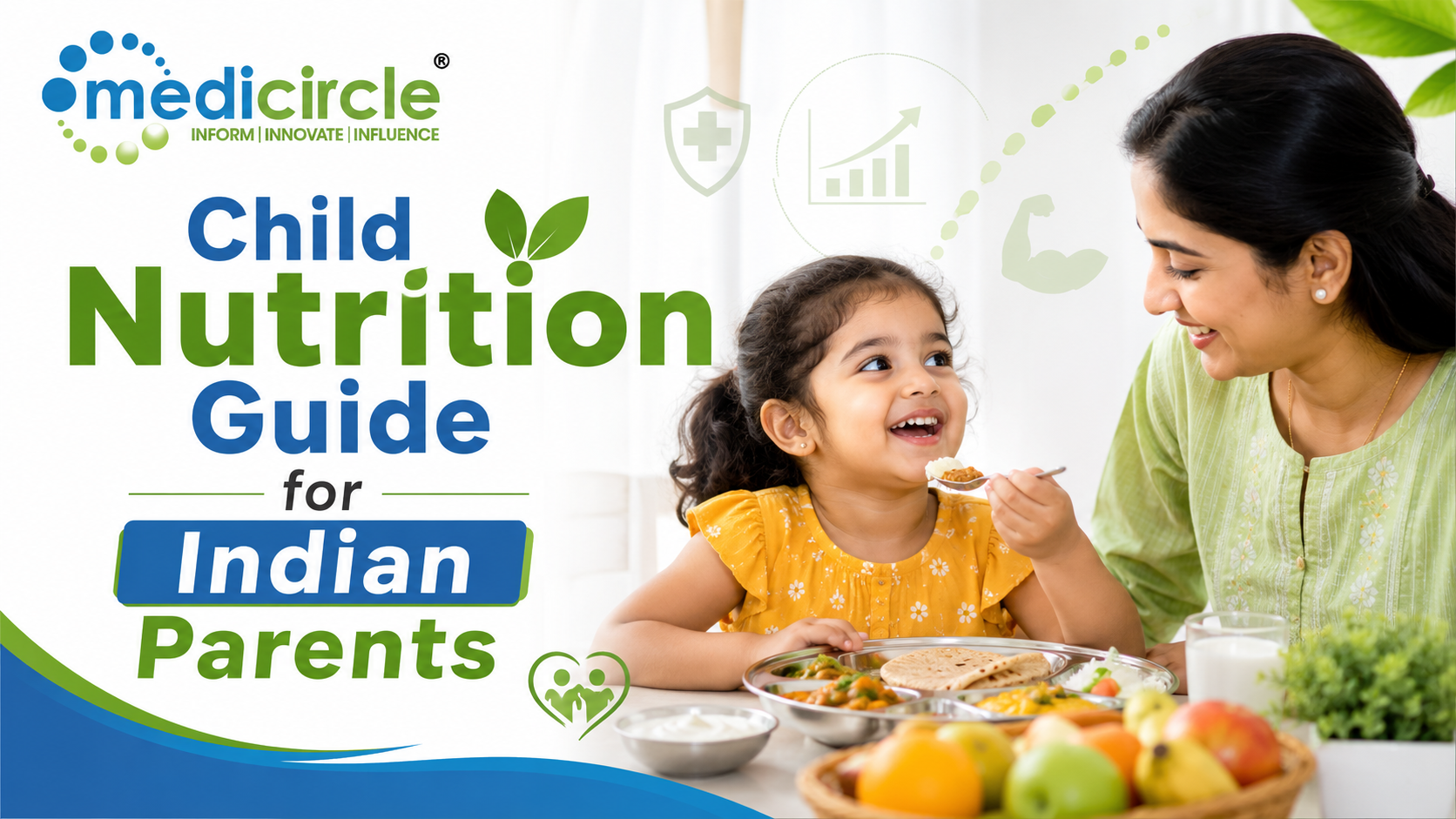
 This guide covers essential child nutrition principles for Indian parents, addressing breastfeeding, complementary feeding, age-wise dietary needs, common deficiencies, and prevention strategies for healthy child development.





Introduction
Childhood is a period of extraordinary biological activity. Between birth and adolescence, the human body undergoes rapid growth in height, weight, organ development, brain maturation, and immune function. Every single one of these processes depends on one foundational input: nutrition. What a child eats in the first two decades of life shapes not just how tall they grow, but how well they think, how healthy they remain, and how productive they become as adults.
In India, this conversation carries enormous significance. The National Family Health Survey-5 (NFHS-5, 2019-2021) revealed that 35.5 percent of children under five years of age are stunted, 19.3 percent are wasted, and 32.1 percent are underweight. At the same time, childhood obesity is rising steadily in urban India, driven by increased consumption of ultra-processed foods, sugary beverages, and sedentary lifestyles. This double burden of malnutrition, where undernutrition and overnutrition coexist, presents a complex challenge for Indian families, pediatricians, and public health professionals alike.
This guide is designed to provide Indian parents, caregivers, and healthcare workers with a comprehensive, evidence-based resource on child nutrition across different age groups. From breastfeeding and complementary feeding in infancy, to balanced school meals and navigating junk food pressures in adolescence, the following sections address the full spectrum of nutritional needs in a growing child's life.
Understanding the Basics of Child Nutrition
Why Nutrition in Early Life Matters More Than Any Other PeriodThe first 1,000 days of a child's life, spanning from conception to the second birthday, represent the most critical nutritional window. During this period, the brain develops at its fastest rate, the gut microbiome is established, and metabolic programming takes place. Research consistently shows that nutritional deficits during this window cannot be fully compensated for later in life. Adequate nutrition in early childhood reduces the lifetime risk of type 2 diabetes, cardiovascular disease, obesity, and mental health disorders.
Beyond the first 1,000 days, school age and adolescence are also critical phases. The school-age child needs consistent fuel for cognitive function, memory, concentration, and emotional regulation. The adolescent, experiencing a second major growth spurt, has some of the highest nutritional demands of any life stage.
The Six Core Nutrient Groups Every Child NeedsA well-nourished child requires a balance of macronutrients and micronutrients drawn from diverse food sources:
- Proteins form the building blocks of muscles, enzymes, hormones, and immune cells. Sources include dal, rajma, eggs, chicken, fish, paneer, soy, and milk.
- Carbohydrates provide the primary energy source for an active, growing child. Whole grains such as ragi, jowar, bajra, brown rice, and oats are preferable to refined flour and white rice.
- Healthy fats are essential for brain development, especially in infants and young children. Ghee in moderation, nuts, seeds, and cold-pressed oils offer beneficial fatty acids.
- Calcium and Vitamin D work together to build strong bones and teeth. Milk, curd, paneer, sesame seeds, and sun exposure are key sources in the Indian context.
- Iron and Zinc are critical for preventing anaemia and supporting immune function. Green leafy vegetables, pulses, jaggery, eggs, and lean meats are excellent sources.
- Vitamins A, C, and B-complex support vision, skin health, nerve function, and energy metabolism. A diverse diet of fruits and vegetables covers most of these needs.
The Indian Council of Medical Research (ICMR) has published Recommended Dietary Allowances (RDAs) that provide specific daily intake targets for each nutrient across age groups. Parents and caregivers are encouraged to use these as reference points rather than prescriptive rules.
Infant Feeding: Breastfeeding and Complementary Foods
Breastfeeding as the Foundation of Child NutritionBreast milk is the most complete, perfectly calibrated food available for a newborn. The World Health Organization (WHO) and ICMR both recommend exclusive breastfeeding for the first six months of life, followed by continued breastfeeding alongside appropriate complementary foods up to two years of age or beyond.
Breast milk provides not just calories but also immunoglobulins, antibodies, growth factors, and live beneficial bacteria that no formula can replicate. Exclusively breastfed infants have significantly lower rates of diarrhoea, pneumonia, ear infections, and neonatal sepsis. According to WHO data, nearly 400,000 child deaths per year globally could be prevented through universal exclusive breastfeeding up to six months.
In India, the rate of exclusive breastfeeding among infants up to six months remains at approximately 63.7 percent according to NFHS-5 data, a meaningful improvement over previous years but still leaving a significant proportion of infants without this critical protection. Healthcare workers, Accredited Social Health Activists (ASHAs), and community health programmes play a vital role in supporting breastfeeding mothers, particularly in rural and peri-urban India.
Introducing Complementary Foods at Six MonthsAt around six months of age, an infant's energy and nutrient needs begin to exceed what breast milk alone can provide. This is the stage for introducing complementary foods. Introducing solids too early (before four months) or too late (after seven months) both carry risks and should be avoided.
The transition to solid food should be gradual, thoughtful, and guided by the following principles:
- Begin with small quantities of single-ingredient soft foods such as rice porridge, mashed moong dal, pureed carrots, mashed banana, or cooked and pureed sweet potato.
- Introduce one new food at a time, waiting two to three days before adding another, to monitor for any allergic reactions.
- Gradually increase texture, variety, and quantity as the infant moves from 6 to 8 months, then 9 to 12 months, and beyond.
- By 9 to 11 months, most infants can manage finely chopped family foods, small pieces of soft fruits, and thicker dal or khichdi.
- Between 12 and 24 months, children can increasingly participate in family meals with appropriate portion sizes and textures.
A culturally appropriate and practical complementary feeding approach in India often involves locally available foods: ragi porridge with jaggery, dal-chawal mashed with ghee, boiled egg yolk, soft idli with sambar, and seasonal fruits. These foods are nutritious, affordable, and familiar to the child's cultural environment.
Common Nutritional Deficiencies in Indian Children
The Anaemia Crisis and Iron DeficiencyIron deficiency anaemia remains one of the most prevalent nutritional problems among Indian children. NFHS-5 data shows that 67.1 percent of children between 6 and 59 months in India are anaemic. Anaemia in childhood impairs cognitive development, reduces physical stamina, weakens the immune system, and adversely affects school performance.
The Indian government's Anemia Mukt Bharat programme provides iron and folic acid supplementation through frontline health workers. However, dietary strategies remain essential. Foods rich in iron include dark green leafy vegetables such as spinach and methi, horse gram, rajma, jaggery, and lean meats. Consuming these alongside vitamin C-rich foods such as amla, lemon, or tomatoes significantly improves iron absorption.
Vitamin D Deficiency in Urban ChildrenDespite India's abundant sunlight, vitamin D deficiency is paradoxically widespread among Indian children, particularly in urban areas where children spend most of their time indoors. Vitamin D is essential for calcium absorption, bone health, and immune function. Deficiency during childhood increases the risk of rickets, delayed motor development, frequent infections, and poor dental health.
Pediatricians across Indian cities increasingly report vitamin D insufficiency as a common finding in routine blood work. Dietary sources of vitamin D include egg yolk, fatty fish, and fortified milk. Moderate sun exposure in the morning hours (before 10 am) remains the most effective and accessible source for most Indian families.
Protein Energy Malnutrition in Rural IndiaIn lower-income and rural communities, protein energy malnutrition continues to affect a significant proportion of children. This manifests as stunting (low height for age) or wasting (low weight for height) and reflects both insufficient caloric intake and poor dietary diversity. Government schemes such as the Integrated Child Development Services (ICDS) and the Pradhan Mantri Poshan Shakti Nirman (PM POSHAN, formerly Mid-Day Meal Scheme) address this through supplementary nutrition and school meals. Awareness among caregivers about the nutritional value of locally available protein sources remains an important area for intervention.
Age-Wise Dietary Guidance for Indian Children
Toddlers (1 to 3 Years)Toddlers are transitioning from a predominantly milk-based diet to a diverse family diet. Nutritional needs are high relative to body size. Three main meals and two to three nutritious snacks per day are appropriate. Meals should include a cereal (rice, roti, dalia), a pulse (dal, rajma, chole), a vegetable, and a dairy component (curd, milk, paneer). Iron-rich foods and vitamin C-rich fruits should feature daily.
Preschool Age (3 to 5 Years)This is a period when food preferences and habits begin to solidify. Exposure to diverse flavours, textures, and colours is essential. Children at this age should not be given excessive sugar, salt, or fried foods. Healthy snacks include fruits, boiled chana, roasted makhana, curd with banana, and whole grain crackers. Physical activity through play is an integral part of nutritional health at this age.
School Age (6 to 12 Years)Energy needs increase significantly as children become more physically active and cognitively engaged at school. Breakfast is critically important and should never be skipped. A nutritious breakfast, whether idli-sambar, poha with vegetables, dal paratha, or eggs on whole grain bread, improves concentration, memory, and academic performance. Packed school lunches should be balanced and varied, and sugary beverages and packaged snacks should be minimized.
Adolescents (13 to 18 Years)Adolescence is characterised by a significant growth spurt and increasing independence in food choices. Calcium needs peak during this period, making dairy, sesame, and fortified foods especially important. Iron needs are particularly high for adolescent girls due to menstrual blood loss. Adolescents in India face growing exposure to ultra-processed foods, fast food, and sugary drinks, making nutrition education and healthy home environments critical protective factors.
Prevention of Nutritional Problems and Healthy Eating Habits
Building strong nutritional habits in childhood requires a sustained, household-level effort supported by the healthcare system and public health infrastructure. Several practical strategies can make a meaningful difference:
Variety is more important than perfection. A child who eats a wide range of foods across all food groups is far less likely to develop specific nutrient deficiencies than one who eats a limited but seemingly healthy diet. Indian cuisine, with its extraordinary diversity of pulses, vegetables, grains, and spices, is inherently well-positioned to support dietary variety.
Home-cooked food, prepared with fresh, minimally processed ingredients, remains far superior to packaged and ultra-processed alternatives. The rise of packaged snacks, instant noodles, flavoured beverages, and ready-to-eat meals in Indian households is one of the most significant emerging nutritional threats for children.
Responsive feeding practices matter. Parents and caregivers should recognise and respect a child's hunger and fullness cues rather than forcing a specific quantity of food. Creating a positive mealtime environment, without screens, pressure, or distraction, helps children develop a healthy relationship with food.
Regular growth monitoring through visits to the local Anganwadi centre or paediatrician allows early identification of growth faltering, overweight, or specific nutrient deficiencies before they become severe.
Government programmes including ICDS, PM POSHAN, and the National Iron Plus Initiative (NIPI) provide supplementary nutrition and micronutrient support. Eligible families are encouraged to access these services consistently.
Conclusion
Child nutrition is not a single intervention but a continuous, evolving practice that adapts with a child's age, growth stage, and individual needs. For Indian families, the good news is that the cultural food heritage, from ragi to amla to moong dal, already contains many of the most powerful nutritional tools available. The challenge lies in preserving and prioritising these foods amidst a rapidly changing food environment.
Healthcare professionals, paediatricians, nutritionists, and community health workers all play a vital role in supporting parents through evidence-based guidance. Platforms like Medicircle serve as a bridge between expert healthcare knowledge and the everyday decisions families make at the dining table. A well-nourished child is not just a healthier child; the investment in child nutrition is an investment in the future health, productivity, and resilience of the nation.
Frequently Asked Questions
Q1: What are the most important nutrients for a growing child in India?
The most important nutrients for a growing child include protein, calcium, iron, zinc, iodine, vitamin A, vitamin D, and folate. Indian children are particularly prone to deficiencies in iron, vitamin D, and calcium, making it essential to include diverse food groups such as lentils, dairy, green leafy vegetables, eggs, and fortified foods in their daily diet.
Q2: When should complementary foods be introduced for Indian babies?
WHO and ICMR recommend introducing complementary foods at around 6 months of age, after exclusive breastfeeding for the first six months. Start with soft, semi-solid foods such as rice porridge, mashed dal, and pureed vegetables, and gradually increase texture and variety as the baby grows.
Q3: How much food should a toddler eat per day?
Toddlers between 1 and 3 years generally need three main meals and two nutritious snacks per day. Portion sizes are smaller than those for adults but nutrient density should remain high. Foods like khichdi, curd, fruits, boiled eggs, and mashed vegetables provide excellent nutrition for toddlers.
Q4: What is the impact of malnutrition on child development in India?
Malnutrition can severely impair a child's physical growth, cognitive development, immunity, and school performance. According to NFHS-5 data, approximately 35.5 percent of children under five in India are stunted and 19.3 percent are wasted, highlighting the urgent need for improved child nutrition practices across the country.
Q5: How can Indian parents make their child's diet more nutritious without spending a lot?
Affordable, nutritious options widely available in India include seasonal fruits, locally grown vegetables, dal, eggs, curd, millets like ragi and bajra, and fortified foods available through government schemes such as ICDS and the Mid-Day Meal programme. Variety, consistency, and limiting processed foods are more important than expensive superfoods.
Resources
- Indian Council of Medical Research (ICMR) and National Institute of Nutrition (NIN): Dietary Guidelines for Indians and Recommended Dietary Allowances, authoritative reference for age-wise nutrient requirements in the Indian context.
- World Health Organization (WHO): Infant and Young Child Feeding Fact Sheet, global evidence base for breastfeeding recommendations and complementary feeding principles.
- Ministry of Health and Family Welfare, Government of India (mohfw.gov.in): National guidelines on infant and young child feeding, anaemia control, and the Anemia Mukt Bharat programme.
- National Family Health Survey-5 (NFHS-5), 2019-2021: Comprehensive national data on child nutritional status, breastfeeding rates, anaemia prevalence, and dietary diversity across Indian states.
- UNICEF India: Child Nutrition Programme Reports, covering complementary feeding interventions, ICDS programme outcomes, and nutritional surveillance data for Indian children.
Interlinking Keywords
child growth and development, breastfeeding benefits India, complementary feeding guide, iron deficiency anaemia in children, healthy diet for school children, toddler nutrition tips, vitamin D deficiency India, ICDS programme benefits, adolescent nutrition India, balanced meal for kids
Last medically reviewed by:
Editorial and Medical Review Team, Medicircle.in on 14 August 2026
Medical Disclaimer:
The information provided in this article is intended for general awareness and educational purposes only. It does not constitute medical advice, diagnosis, or treatment. Parents and caregivers are strongly advised to consult a qualified paediatrician or registered dietitian for personalised guidance on their child's nutritional needs. Do not disregard professional medical advice or delay seeking it based on information read here.





-23-300x250.png)

.jpeg)


.jpg)
.jpg)
.jpg)
.jpg)
.jpg)
.jpg)
.jpg)
.jpg)
.jpg)