Friday, October 23, 2026
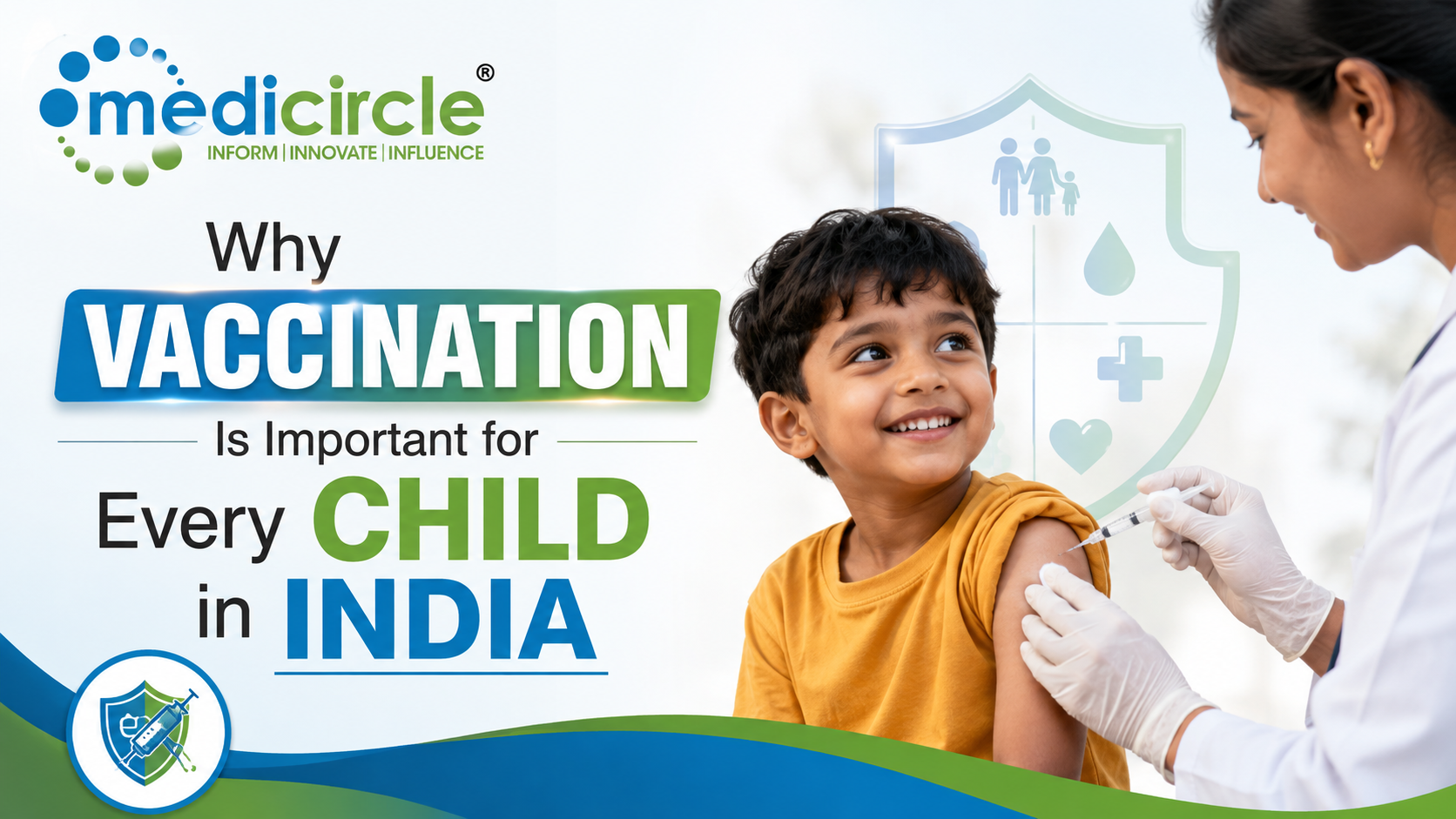
 Vaccination protects children from deadly diseases, supports cognitive development, prevents financial hardship for families, and builds community immunity, making timely immunization essential for India's child health future.





Introduction
Across India, millions of children are born every year into a country that still carries a significant burden of vaccine-preventable diseases. Despite remarkable progress in public health over the past few decades, diseases such as measles, whooping cough, diphtheria, and rotavirus-related diarrhoea continue to claim young lives, particularly in rural and underserved communities. The most powerful, accessible, and scientifically proven tool available to prevent these deaths is vaccination.
Vaccines are not just a matter of individual health. They represent one of the most impactful public health decisions a parent, caregiver, or community can make. According to the World Health Organization, immunization currently prevents between 3.5 million and 5 million deaths globally every year from diseases including diphtheria, tetanus, pertussis, influenza, and measles. In a country the size of India, where healthcare access varies dramatically between states and socioeconomic groups, vaccines serve as a powerful equalizer.
Yet questions, hesitancy, and gaps in awareness still exist. Many families in Tier 2 and Tier 3 cities, and across rural India, either delay vaccination or remain uncertain about its necessity. Understanding the science, the benefits, the national immunization framework, and the broader impact of vaccines is essential for every parent and healthcare professional in India today.
Understanding How Vaccines Work
The human body is equipped with a sophisticated defense mechanism known as the immune system. When a germ, whether a virus or bacteria, enters the body for the first time, the immune system takes time to recognize it and produce antibodies to fight it. During this recognition phase, a person typically falls ill. However, once antibodies are produced, they remain in the body, providing protection against future encounters with the same pathogen.
Vaccines are designed to trigger this protective immune response without causing the disease itself. They introduce a weakened or inactivated form of a germ, a small fragment of it, or in the case of newer mRNA technology, instructions for the body to produce a recognizable piece of the pathogen. The immune system responds, builds memory, and is prepared to mount a rapid defense if the real infection is ever encountered.
There are different types of vaccines, each using a specific mechanism:
- Live-attenuated vaccines use a weakened form of the germ and often provide long-lasting immunity with fewer doses. Examples include the BCG vaccine for tuberculosis and the MMR vaccine for measles, mumps, and rubella.
- Inactivated vaccines use killed versions of the germ and are safe even for individuals with weakened immune systems. The injectable polio vaccine falls in this category.
- Subunit, recombinant, and conjugate vaccines use specific pieces of the germ, such as proteins, to trigger immunity. The hepatitis B vaccine and the Haemophilus influenzae type b vaccine are examples.
- mRNA vaccines, which gained global prominence during the COVID-19 pandemic, represent a newer and highly promising approach.
The common goal across all these types is the same: to prepare the immune system before a real infection can cause harm.
India's National Immunization Programme and Its Reach
India operates one of the largest immunization programmes in the world through its Universal Immunization Programme, or UIP. Established in 1985 and expanded significantly over subsequent decades, the UIP provides free vaccines to children and pregnant women across the country through government health facilities, anganwadi centres, and outreach camps.
The programme covers vaccines against twelve vaccine-preventable diseases, including tuberculosis, diphtheria, pertussis, tetanus, polio, measles, rubella, hepatitis B, Haemophilus influenzae type b, Japanese encephalitis in endemic districts, pneumococcal disease, and rotavirus. Each vaccine is administered according to a nationally recommended schedule beginning at birth and continuing through the first two years of life, with booster doses at specific intervals thereafter.
A landmark initiative within this framework is Mission Indradhanush, launched by the Government of India in December 2015. The campaign specifically targeted children and pregnant women who had been missed by routine immunization efforts, particularly in districts with historically low coverage. Research has shown that Mission Indradhanush resulted in a 10 percentage point increase in full vaccination coverage in target districts within just six months of its launch. Subsequent rounds of Intensified Mission Indradhanush have continued to build on this momentum.
Despite these achievements, full immunization coverage in India remains uneven. Urban-rural disparities, inadequate cold chain infrastructure in remote areas, and persistent myths about vaccine safety continue to leave pockets of unimmunized children vulnerable to outbreaks.
The Broader Benefits of Childhood Vaccination
The most obvious benefit of vaccination is the prevention of disease and its associated suffering. However, the positive impact of vaccines extends well beyond individual protection.
Protection Against Financial CatastropheIn India, approximately 65 percent of total health expenditure is private and largely out-of-pocket. A severe illness in a child, whether from measles, rotavirus-related diarrhoea, or pneumonia, can push a family into financial crisis. Medical expenses for hospitalization, medications, travel, and lost wages from caregivers missing work can be devastating, particularly for low-income households. Vaccination prevents these illnesses and, in doing so, prevents the economic burden that follows.
Research estimates that vaccines for measles, rotavirus, and pneumococcal disease could avert billions of dollars in out-of-pocket medical expenses across low- and middle-income countries over the coming decade. In a country where 51 million people are pushed into poverty every year due to catastrophic health spending, vaccines function as a form of affordable health protection.
Benefits for Child Development and EducationThere is growing scientific evidence that the benefits of childhood vaccination extend to cognitive development and educational outcomes. Persistent infections in early childhood can impair physical growth, reduce cognitive capacity, and affect school attendance and performance. Studies conducted across Ethiopia, India, and Vietnam have found that measles vaccination at ages six to eighteen months was associated with improved scores on standardized cognition tests and additional years of schooling by ages seven to twelve years.
The measles virus, in particular, has been shown to damage the immune system's memory for a period of two to three years after infection, leaving children vulnerable to a range of other infections. By preventing measles, the vaccine therefore confers indirect protection against multiple subsequent illnesses, supporting healthier early childhood development.
Similar benefits have been observed for the Haemophilus influenzae type b vaccine among children in India, with research linking Hib vaccination to improved growth and cognitive outcomes.
Herd Immunity and Community ProtectionWhen a sufficient proportion of a population is vaccinated against a disease, it becomes difficult for that disease to spread, even to individuals who have not been vaccinated. This phenomenon is known as herd immunity or community immunity. It is especially critical for protecting newborns who are too young to be vaccinated, individuals with certain medical conditions that preclude vaccination, and elderly people with weakened immune systems.
For measles, epidemiologists have established that approximately 95 percent vaccination coverage is needed to prevent outbreaks. When coverage falls below this threshold, even in societies that have previously controlled the disease, outbreaks can re-emerge rapidly. The re-emergence of measles in several countries in recent years, including in communities with previously high vaccination rates, demonstrates how fragile herd immunity becomes when vaccine uptake declines.
Combating Antimicrobial ResistanceAn often-overlooked but increasingly important benefit of vaccines is their role in reducing antimicrobial resistance, or AMR. By preventing bacterial infections, vaccines reduce the need for antibiotic treatment. Fewer antibiotic treatments mean less selective pressure on bacteria to develop resistance. Given that AMR is projected to cause tens of millions of deaths globally by 2050, vaccines represent an important and underutilized weapon in this fight.
Recognizing Vaccine-Preventable Diseases and Their Impact in India
Several diseases that are entirely preventable through timely vaccination continue to circulate in India, particularly in regions with low immunization coverage.
Measles remains a public health concern. Despite the availability of a safe and effective vaccine, measles outbreaks continue to occur in India, particularly in areas where communities have incomplete vaccination histories. The disease causes high fever, rash, and respiratory complications, and can lead to pneumonia, encephalitis, blindness, and death in severe cases.
Polio was eliminated from India in 2014, a landmark public health achievement. However, global circulation of the poliovirus means that maintaining high vaccination coverage remains essential to prevent reintroduction.
Diphtheria, pertussis, and tetanus, all covered by the DTP vaccine, continue to cause significant illness and death among unvaccinated children in parts of India. Diphtheria outbreaks have been reported in states with suboptimal immunization coverage, underscoring the need for continued vigilance.
Rotavirus is a leading cause of severe diarrhoea in children under five in India, responsible for a significant proportion of childhood hospitalizations and deaths from dehydration. The introduction of the rotavirus vaccine into India's UIP has been a critical step toward reducing this burden.
Addressing Vaccine Hesitancy Among Indian Parents
Vaccine hesitancy, defined as the delay or refusal of vaccination despite availability, is recognized by the World Health Organization as one of the ten greatest threats to global health. In India, hesitancy stems from a variety of sources, including misinformation shared on social media, cultural beliefs, fears about side effects, and distrust of the healthcare system in some communities.
It is important to address the most commonly expressed concerns with accurate, evidence-based information.
Vaccines do not cause autism. This claim originates from a discredited and retracted research paper published in the late 1990s. Extensive scientific research conducted since then, involving millions of children across multiple countries, has found no link whatsoever between vaccines and autism spectrum disorder.
Mild side effects such as slight fever, redness at the injection site, or temporary fussiness in infants are normal immune responses and resolve within one to two days. They are a sign that the body is building protection. Serious adverse reactions to vaccines are extremely rare.
Vaccines do not overload the immune system. Children's immune systems encounter thousands of bacteria and viruses every day. The number of antigens introduced through the recommended vaccine schedule is a tiny fraction of what a child's immune system naturally handles on a daily basis.
Natural infection is not a safer alternative to vaccination. Getting a disease naturally carries the full risk of severe illness, complications, and death. Vaccination builds immunity without this risk.
Prevention, the Immunization Schedule, and What Parents Should Do
Timely vaccination is the single most important preventive action a parent can take to protect a child's health. India's national immunization schedule is designed by the Ministry of Health and Family Welfare based on scientific evidence and the disease burden patterns specific to the Indian population.
Key vaccines and their recommended timing include:
- At birth: BCG (tuberculosis), OPV zero dose, hepatitis B birth dose
- At six weeks: DPT, IPV, hepatitis B, Hib, rotavirus, PCV
- At ten weeks: DPT, IPV, Hib, rotavirus
- At fourteen weeks: DPT, IPV, hepatitis B, Hib, rotavirus, PCV
- At nine to twelve months: Measles-rubella first dose, JE first dose (in endemic districts)
- At sixteen to twenty-four months: DPT booster, measles-rubella second dose, OPV booster, JE second dose, PCV booster
Parents should maintain a vaccination record for their child, attend all scheduled visits at government health centres or private clinics, and contact a healthcare provider if a dose is missed. Missed doses can often be caught up without restarting the schedule.
For families in urban centres, pediatricians and family physicians are reliable sources of guidance on both the government schedule and additional vaccines available in the private sector, such as the varicella vaccine for chickenpox, the typhoid conjugate vaccine, and the annual influenza vaccine.
Conclusion
Vaccination is not a choice that affects only the individual child who receives it. It is a shared responsibility, a commitment to the health of families, communities, and the broader Indian population. The science is clear, the evidence is robust, and the benefits extend far beyond disease prevention to encompass child development, financial protection, educational outcomes, and community resilience.
India has made extraordinary strides through the Universal Immunization Programme and initiatives like Mission Indradhanush. But sustaining and expanding these gains requires continued commitment from parents, healthcare workers, community leaders, and policymakers. Every child who receives a complete course of vaccines on time is a step closer to a healthier, more equitable India.
For parents seeking credible, expert-led information on vaccination schedules, child health, and preventive care, platforms like Medicircle serve as a trusted bridge between healthcare professionals and the families who depend on accurate, responsible guidance. Understanding vaccination, sharing correct information within communities, and supporting universal immunization coverage are among the most meaningful contributions any person can make to India's public health future.
Frequently Asked Questions
Q1: Why is vaccination important for children in India?
Vaccination protects children from life-threatening diseases such as measles, polio, diphtheria, and whooping cough. In India, where disease burden remains high and out-of-pocket healthcare expenses can be devastating for families, timely immunization is one of the most cost-effective public health investments available.
Q2: What vaccines are included in India's Universal Immunization Programme?
India's Universal Immunization Programme covers vaccines for tuberculosis (BCG), polio, diphtheria, pertussis, tetanus, hepatitis B, Haemophilus influenzae type b, measles, rubella, Japanese encephalitis, rotavirus, and pneumococcal disease, among others. These vaccines are provided free of cost at government health centres.
Q3: Are vaccines safe for infants and young children?
Yes. All vaccines included in national immunization programmes undergo rigorous clinical testing before approval and are continuously monitored for safety after rollout. Mild side effects such as slight fever or redness at the injection site are common and resolve within a day or two. Serious adverse reactions are extremely rare.
Q4: What is herd immunity and why does it matter?
Herd immunity occurs when a large enough proportion of a population is immune to a disease, making its spread unlikely. This protects vulnerable individuals who cannot receive vaccines, such as newborns or those with certain medical conditions. For measles, approximately 95 percent vaccination coverage is needed to prevent outbreaks.
Q5: What is Mission Indradhanush and how has it helped immunization in India?
Mission Indradhanush is a Government of India initiative launched in 2015 to accelerate full immunization coverage, especially among children in underserved areas. The campaign achieved a 10 percentage point increase in full vaccination coverage in target districts within six months and has since been expanded through Intensified Mission Indradhanush rounds.
Resources
- Indian Council of Medical Research (ICMR): Research publications and guidelines on immunization and vaccine-preventable diseases in India
- Ministry of Health and Family Welfare, Government of India: Official immunization schedule, UIP details, and Mission Indradhanush updates
- World Health Organization (WHO) India Country Office: Global and regional immunization data, vaccine safety information, and policy guidance
- National Health Portal of India (nhp.gov.in): Patient-facing information on vaccination, child health, and preventive care
- Human Vaccines and Immunotherapeutics, PubMed Central: Peer-reviewed evidence on the broader health, economic, and developmental benefits of childhood vaccination
Interlinking Keywords:
child immunization schedule India, vaccine-preventable diseases in children, Universal Immunization Programme, Mission Indradhanush, herd immunity benefits, rotavirus vaccine India, child health awareness
Last medically reviewed by:
Editorial Medical Team, Medicircle on August 13, 2026
Medical Disclaimer:
This article is intended for general informational and educational purposes only. It does not constitute medical advice, diagnosis, or treatment. Parents and caregivers should consult a qualified pediatrician or licensed healthcare professional for personalized guidance regarding their child's vaccination schedule and health needs. The information provided is based on current evidence from recognized health authorities including the WHO, ICMR, and the Ministry of Health and Family Welfare, Government of India.





-23-300x250.png)

.jpeg)


.jpg)
.jpg)
.jpg)
.jpg)
.jpg)
.jpg)
.jpg)
.jpg)
.jpg)