 Wednesday, November 18, 2026
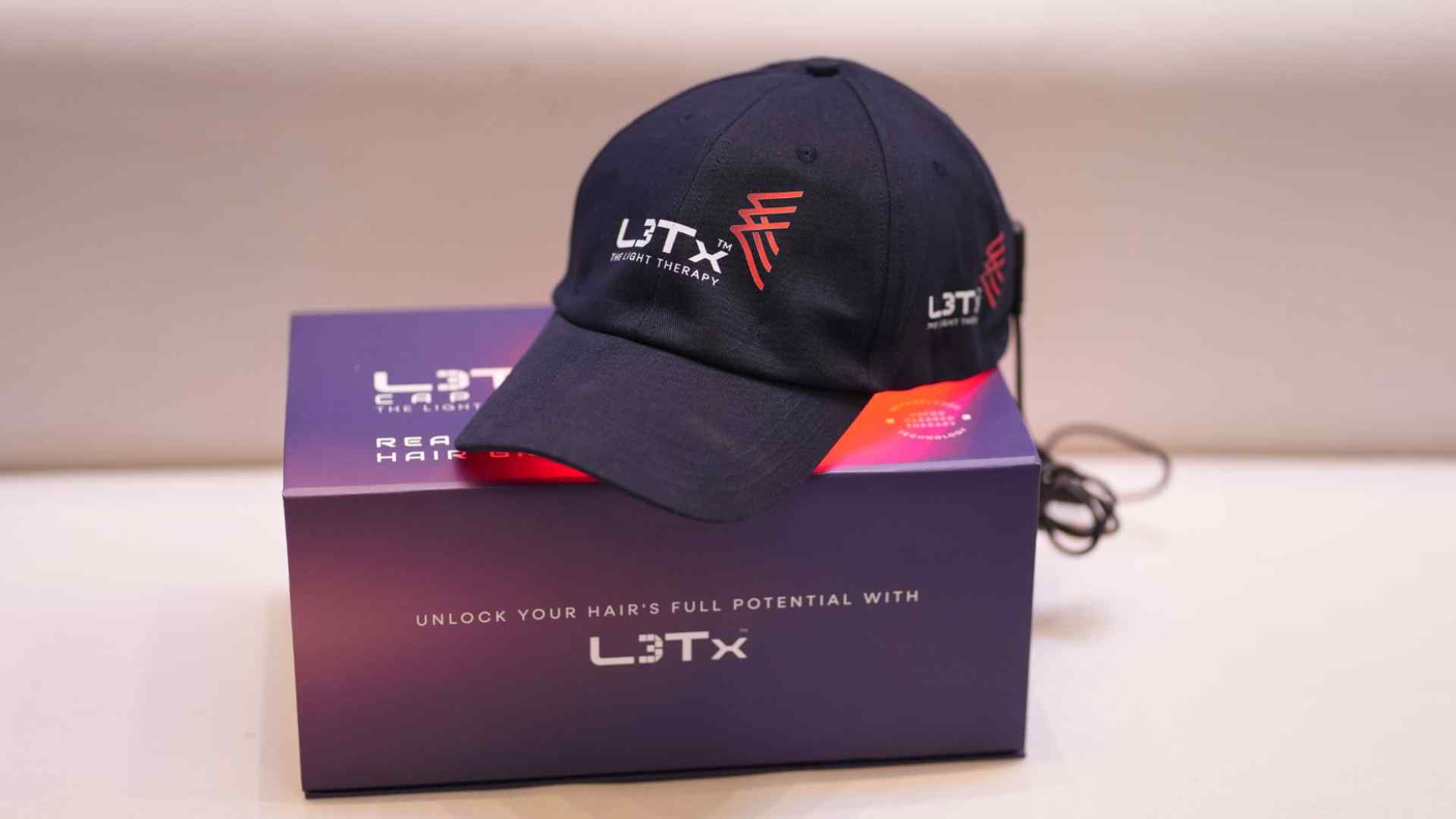
 As hair loss concerns intensify among both men and women, people are increasingly seeking science-backed treatment options.





Mumbai, August 2026: As hair loss concerns intensify among both men and women, people are increasingly seeking science-backed treatment options. Addressing this need, Kshipra Health Solutions LLP has introduced L3Tx, a medical-grade LED Red Light Therapy Cap that supports hair regrowth while controlling intense hair fall by relying on clinically studied Low-Level Light Therapy (LLLT), also known as photobiomodulation.A brainchild of Kirtesh Jain and Utpal Limkar, Kshipra Health Solutions is envisioning making evidence-based, non-invasive hair restoration increasingly accessible by combining scientific innovation and patient-friendly technology, easing their use at home under a dermatologist’s guidance.
Many parameters, including genetic, hormonal, lifestyle, and nutritional factors, contribute to hair thinning and hair loss,since early intervention can help preserve active follicles, interest is growing in non-invasive therapies that support follicle health alongside conventional treatments. Using 120 medical-grade LEDs, the L3Tx Red Light Therapy Cap emits red light at a controlled wavelength of nearly 640 nm. The light energy treatment stimulates cellular activity within hair follicles. Relying on photobiomodulation, the therapy helps increase ATP (cellular energy) production, improves scalp circulation, reduces oxidative stress, and supports the natural hair growth cycle.
For ease of use, the lightweight wearable cap is designed to deliver results in just 10 minutes per day. Painless and non-invasive in nature, the device doesn’t disrupt one’s vitals, which is often seen in the case of drug-based medication. It hence becomes a convenient option for individuals looking for a supporting device in their comprehensive hair restoration journey. Instead of replacing treatments suggested by dermatologists, L3Tx complements them given its wide-scale adaptability to therapies including Minoxidil, Finasteride, Platelet-Rich Plasma (PRP) and Growth Factor Concentrate (GFC).
Low-Level Light Therapy has been clinically studied internationally for its effects on both men and women while evaluating their hair loss pattern. Published research has reported photobiomodulation has presented notable improvements in hair density, thickness, and reduced hair shedding. The L3Tx device is US FDA cleared and houses medical-grade LED technology supporting long-term use under professional guidance.
Commenting on the launch, the Founders of Kshipra Health Solutions, Kirtesh Jain and Utpal Limkar, said, “Hair loss is a deeply personal concern that directly affects one’s confidence and quality of life. With L3Tx, we aimed at introducing photobiomodulation technology into a simple, wearable solution that doesn’t disrupt their routine. We look forward to empowering patients and dermatologists with a science-backed solution that complements existing treatment plans and encourages prolonged results.”
Kshipra Health Solutions is working with dermatologists and hair restoration specialists to raise awareness around hair health, early diagnosis, and evidence-based treatments. Through education and innovation, the company aims to empower individuals to make informed decisions while advancing a more scientific approach to hair restoration.





-23-300x250.png)





















