 Sunday, October 11, 2026
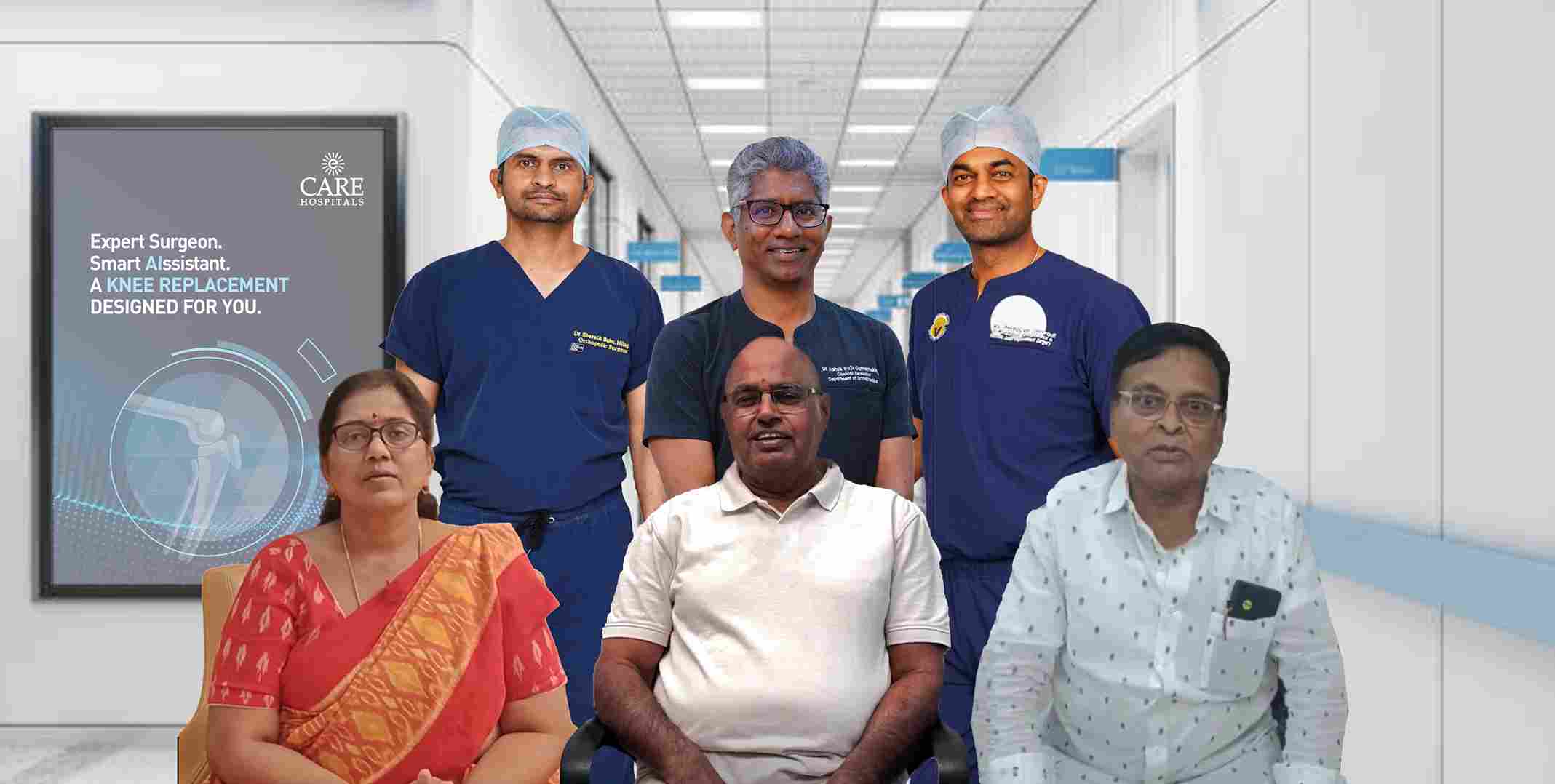
 CARE Hospitals, Hitech City has successfully completed 250 robotic-assisted knee & HIP replacement surgeries combined using the advanced Mako Robotic-Assisted System.




Hyderabad, 26th February 2026: CARE Hospitals, Hitech City has successfully completed 250 robotic-assisted knee & HIP replacement surgeries combined using the advanced Mako Robotic-Assisted System, emerging as one of the fastest centres in Telangana to achieve this milestone within a short span of introducing the technology. The achievement marks a significant step in the evolution of orthopaedic care in the region, reinforcing CARE Hospitals’ leadership in precision-driven, patient-centric joint replacement surgery.
With knee & HIP arthritis increasingly affecting individuals above the age of 50 due to longer life expectancy, sedentary lifestyles, obesity, and mobility challenges, the demand for reliable and advanced joint replacement solutions is steadily rising across Telangana. In view of the growing burden of knee arthritis,, CARE Hospitals milestone assumes greater public health significance, offering patients access to modern robotic-assisted surgery that enables faster recovery, reduced pain, and improved long-term outcomes.
The Mako Robotic-Assisted System enables CT-based, patient-specific surgical planning and provides real-time robotic guidance during surgery, allowing surgeons to achieve high levels of accuracy in implant positioning while preserving healthy bone and surrounding soft tissues. Compared to conventional knee replacement procedures, robotic-assisted surgery supports early mobilisation, shorter hospital stays, and a quicker return to daily activities, helping patients regain confidence and independence sooner.
Dr. Gottemukkala Ashok Raju, Clinical Director and Senior Consultant – Orthopaedics, CARE Hospitals, Hitech City, said, “Robotic-assisted knee & HIP replacement represents a major shift in how joint replacement surgery is performed today. By personalising each procedure to the patient’s anatomy, we are able to combine surgical expertise with technology-driven precision, achieve predictable outcomes, reduce variability, and support faster functional recovery.”
Highlighting the clinical significance of the milestone, Dr. Sharath Babu, Senior Consultant – Orthopaedics, CARE Hospitals, said, “Completing 250 robotic knee replacement surgeries reflects our growing experience and confidence with this technology. Robotic assistance provides greater control during surgery, especially in complex cases, enabling consistent precision and helping patients return to their normal routines sooner.”
Dr. Vasudeva Juvvadi, Senior Consultant – Orthopaedics, CARE Hospitals, added, “Proper alignment and balance of the knee & HIP joint are critical for the long-term success of knee & HIP replacement. Robotic assistance helps us achieve this consistently. Many patients are able to stand and walk within a short period after surgery and experience significantly less post-operative discomfort compared to conventional techniques.”
Achieving this milestone in a short period reflects the effective integration of advanced technology with strong clinical expertise. The robotic knee replacement programme at CARE Hospitals, Hitech City is led by a highly experienced orthopaedic team that collectively brings over 10,000 joint replacement surgeries, enabling consistent, high-quality outcomes.
Patients who underwent robotic-assisted knee replacement at CARE Hospitals shared encouraging recovery experiences.
Mr. Vinjamuri V. S. S. Sharma (70) from Kolluru, who underwent bilateral total knee replacement, said long-standing knee pain had severely limited his mobility. “I was hesitant initially, but the robotic surgery made a big difference. Within a short time, I was able to stand and walk with support, and my recovery was smoother than I expected. Today, I feel more confident and independent.”
Mr. M. R. G. Raghunatham (65) from Siddipet, who also underwent bilateral total knee replacement, said knee pain had affected his quality of life for several years. “Simple activities like walking and climbing stairs had become difficult. After the robotic-assisted surgery, my recovery was faster, and the pain was far less than I anticipated. I am now able to move freely and return to my daily routine with much greater comfort.”
Mrs. Srilakshmi (57) from BHEL, who underwent bilateral total knee replacement, shared that knee pain had impacted her everyday activities. “Even routine household work was challenging earlier. After the robotic surgery, my recovery was quicker than I imagined. Today, I can walk comfortably and carry out my daily responsibilities without constant pain.”
The milestone also highlighted robotic-assisted surgical planning and patient recovery outcomes, reinforcing CARE Hospitals’ commitment to expanding access to advanced, technology-enabled orthopaedic care.
With this achievement, CARE Hospitals, Hitech City strengthens its position as a leading centre for robotic-assisted orthopaedic surgeries, reaffirming its mission to deliver world-class healthcare solutions that help patients regain mobility, independence, and quality of life.






.jpeg)










.jpg)
.jpg)
.jpg)
.jpg)
.jpg)
.jpg)


.jpg)