 Thursday, October 08, 2026
 Up to 34% of diabetics develop foot ulcers — CARE’s month-long drive includes free camps, workplace, and school programs.




Hyderabad, November 03, 2025: In the lead-up to World Diabetes Day (November 14), CARE Hospitals has launched a month-long Diabetes Awareness Initiative across Hyderabad to raise awareness about early detection, preventive care, and complications associated with diabetes—particularly diabetic foot, one of the most serious and disabling consequences of the disease.
Diabetes affects not just the body, but also the mind. It is not merely a physical condition but also brings significant emotional and mental stress. Seven out of ten people living with diabetes are of working age, reflecting the growing impact of diabetes on productivity and overall well-being.
The WHO World Diabetes Day 2025 theme, “Diabetes across life stages,” underscores access to integrated care and lifelong support. CARE Hospitals’ campaign aligns with this vision through community-based awareness, prevention, and timely intervention. The initiative includes free diabetes screening camps in residential areas, IT parks, and malls, along with “Know Your Sugar” workplace programs and “Healthy Tiffin” school sessions to promote healthy lifestyle habits among children.
According to the International Diabetes Federation (IDF) Diabetes Atlas 2025, around 589 million adults (20–79 years) are living with diabetes globally—roughly one in nine adults. Somewhere in the world, a leg is lost to diabetes every 30 seconds, and a significant proportion of lower-limb amputations are linked to diabetic complications. Research suggests that 19–34% of people with diabetes will develop a foot ulcer during their lifetime, and without timely care, these can progress to infection or amputation.
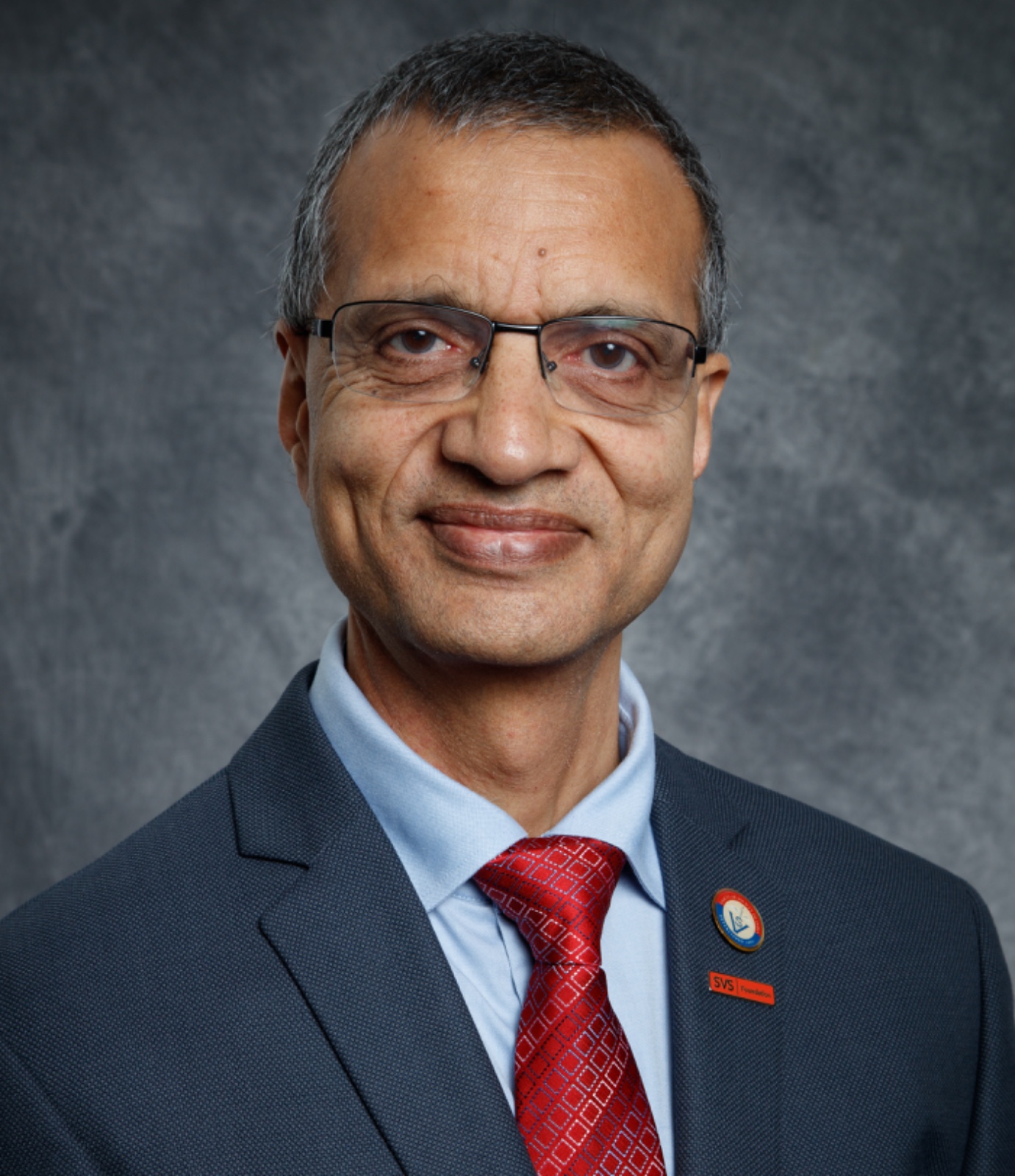
Highlighting the growing concern, Dr. P. C. Gupta, Clinical Director and HOD, Vascular and Endovascular Surgery & Vascular IR, CARE Hospitals, said, “Diabetic foot is one of the most neglected yet devastating complications of diabetes. It starts silently—with numbness, minor wounds, or poor circulation, and can progress rapidly to infection, gangrene, and limb loss. However, most of these cases are preventable if patients are screened early and managed appropriately.”
Dr. Gupta emphasized that public awareness remains inadequate even among diabetic patients themselves. Many ignore early signs such as tingling, numbness, or foot wounds. He called for multidisciplinary foot care clinics, community education on daily foot checks, and training for primary healthcare providers to identify and treat at-risk feet early.
Recent studies show that three out of four people living with diabetes have experienced anxiety, depression, or other mental health conditions due to their illness. Furthermore, four out of five individuals report ‘diabetes burnout’—a feeling of mental exhaustion caused by the constant need to monitor diet, medication, and lifestyle. These insights reinforce that diabetes is not only a medical challenge but also a psychosocial one, affecting families, workplaces, and communities alike.
Speaking about the initiative, Mr. Biju Nair, Zonal Chief Operating Officer, CARE Hospitals, said, “Diabetes is not just a medical issue—it’s a lifelong awareness and lifestyle challenge. Our goal is to empower individuals through education, early screening, and prevention of complications like diabetic foot.”
The campaign aligns with the WHO World Diabetes Day 2025 theme – “Diabetes across life stages”, reaffirming CARE Hospitals’ commitment to promoting awareness, prevention, and access to holistic diabetes care for every age group.






.jpeg)










.jpg)
.jpg)
.jpg)
.jpg)
.jpg)
.jpg)


.jpg)