 Friday, November 20, 2026
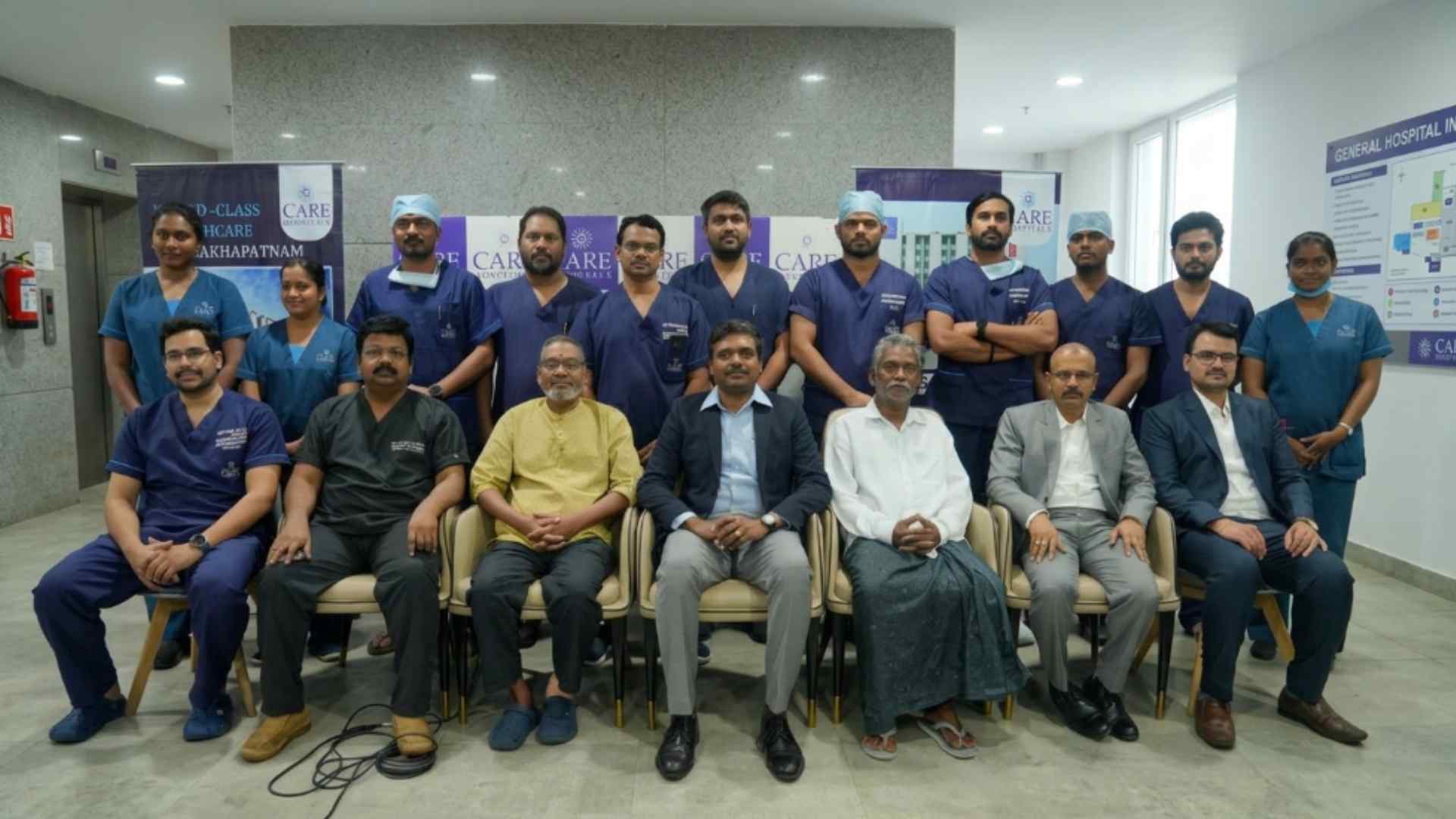
 Reinforcing its growing position as a Centre for Advanced Cardiac Care in North Andhra, CARE Hospitals, Visakhapatnam successfully treated two highly complex high-risk cardiac patients through advanced minimally invasive heart surgeries under the leadership of Dr. Bharath Kumar Mohandoss, Cardiovascular and Thoracic Surgeon (Minimally Invasive and Robotic Cardiac Surgeon).





Andhra Pradesh, Visakhapatnam, June 02, 2026: Reinforcing its growing position as a Centre for Advanced Cardiac Care in North Andhra, CARE Hospitals, Visakhapatnam successfully treated two highly complex high-risk cardiac patients through advanced minimally invasive heart surgeries under the leadership of Dr. Bharath Kumar Mohandoss, Cardiovascular and Thoracic Surgeon (Minimally Invasive and Robotic Cardiac Surgeon).
The successful outcomes highlight the growing availability of sophisticated tertiary cardiac care in Visakhapatnam and the increasing role of minimally invasive cardiac surgery in managing high-risk and elderly cardiac patients with faster recovery and improved clinical outcomes.
In the first case, doctors at CARE Hospitals successfully performed a highly complex multivessel Minimally Invasive Coronary Artery Bypass Grafting (MICS CABG) procedure on a 64-year-old patient from Visakhapatnam suffering from severe coronary artery disease and significant stroke risk.
The patient had diabetes, hypertension, severe multivessel coronary artery disease, and critical blockages in both carotid arteries supplying blood to the brain, substantially increasing the risk of stroke during surgery. Further evaluation revealed significantly reduced heart pumping function, making the surgery highly challenging and high risk.
Despite the elevated surgical and neurological risk, the cardiac surgery team successfully performed advanced multivessel minimally invasive bypass surgery with meticulous intraoperative precautions to minimise stroke-related complications.
The patient showed remarkable post-operative recovery. He was taken off ventilator support within hours after surgery, started walking on the same day, independently climbed stairs the following day, and was discharged within two days.
In another highly complex cardiac success, Dr. Bharath Kumar Mohandoss and team also successfully treated an 60-years-old high-risk cardiac patient from Eluru through advanced minimally invasive heart surgery despite multiple co-existing complications and severe surgical risk.
Doctors said both cases demonstrate how minimally invasive cardiac surgery is transforming the management of complex cardiac conditions by reducing surgical trauma, minimising blood loss, lowering infection risk, and enabling faster recovery with shorter hospital stay.
Speaking about the cases, Dr. Bharath Kumar M said, “These two cases were extremely complex, involving severe coronary artery blockages, elevated stroke risk, and significantly reduced heart function. Successfully managing such high-risk cases requires advanced infrastructure, high-end cardiac surgery technology, and close coordination between experienced cardiac surgeons, cardiologists, critical care specialists, and dedicated cardiac ICU teams.”
“With advanced surgical planning and minimally invasive cardiac technology, we are able to achieve successful outcomes even in highly challenging cases. Minimally invasive cardiac surgery offers several advantages including smaller incisions, reduced pain, lower blood loss, reduced wound infection risk, and faster recovery. The ability of patients to walk within hours after surgery and get discharged within a few days highlights the effectiveness of this advanced approach,” Dr. Bharath added.
Mr. G. Sukesh Reddy, Chief Operating Officer, CARE Hospitals, Visakhapatnam, said, “The successful management of such highly complex cardiac cases reflects CARE Hospitals’ growing role as a Centre for Advanced Cardiac Care in Visakhapatnam. Patients from North Andhra can now access sophisticated minimally invasive heart surgeries, advanced cardiac interventions, and complex tertiary cardiac care closer to home without needing to travel to metro cities for treatment.”
Doctors at CARE Hospitals noted that the incidence of complex heart disease is increasing across Andhra Pradesh due to rising diabetes, hypertension, lifestyle disorders, stress, obesity, smoking, and delayed diagnosis, including among relatively younger populations.
Hospital officials said advanced minimally invasive cardiac surgeries that were once largely available only in major metro cities are now increasingly accessible in Visakhapatnam, helping patients receive timely specialised treatment closer to home.
The successful treatment of these high-risk cardiac patients further strengthens CARE Hospitals’ advanced cardiac surgery capabilities in Visakhapatnam and reinforces its commitment to expanding access to world-class healthcare across North Andhra.





-23-300x250.png)





















