 Wednesday, November 18, 2026
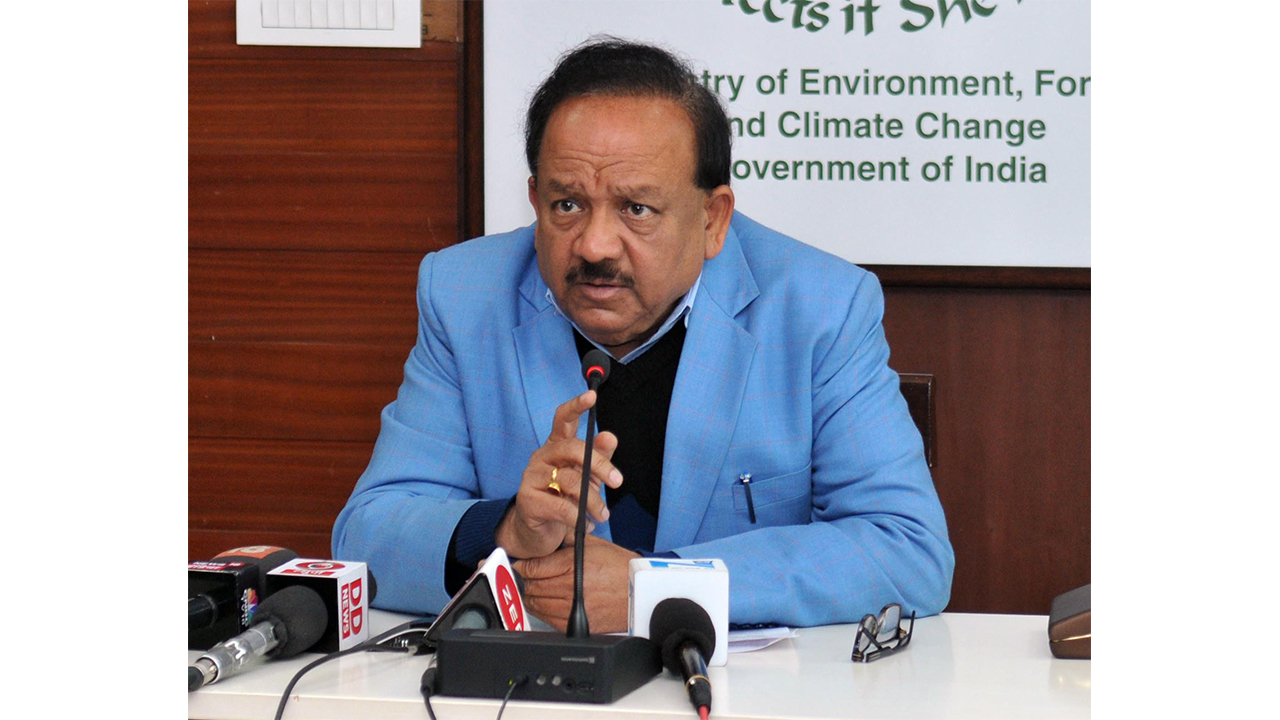
 CGHS services to be extended to 100 cities: Dr Harsh Vardhan





CGHS services shall be now be extended to 100 cities. This was stated by Dr. Harsh Vardhan, Union Minister for Health & Family Welfare as he inaugurated the new CGHS Wellness Centre at Vikaspuri, New Delhi, in the presence of Shri Parvesh Saheb Singh Verma, Member of Parliament, West Delhi. The Union Health Minister added that at present the scheme is operational across 72 Cities through 329 Allopathic Wellness Centres and 86 AYUSH Centres. It serves 12.09 lakh primary cardholders and 35.72 lakh beneficiaries, out of which around 17 lakh beneficiaries belong to Delhi/NCR. There are more than 2.5 lakh beneficiaries aged 75 years and above. About 58% of CGHS beneficiaries avail of CGHS facilities at least once in a year.
Dr. Harsh Vardhan stated that after 2014, the number of CGHS Wellness centers has expanded to 72 cities from the earlier figure of 30, which shows the exemplary commitment of the government to the health and wellness of the employees. Soon CGHS shall be extended to other cities like Itanagar, Kannur, and Kozhikode, he stated. He added that recently the Ministry has elicited the feedback and suggestions from the various stakeholders, beneficiaries, and others to improve the delivery of health services through CGHS centers. As an innovative feature, for beneficiaries above 80 years of age, doctors from CGHS wellness centers call at least once in a month to enquire about their wellbeing / make a home visit if residing within 5 km.
The Union Health Minister stated that it is a reflection of the commitment to the health sector by the government, that the number of AIIMS has now increased to 21. Six of the AIIMS are now operational, he stated. Work is also progressing on setting up 157 Medical Colleges mainly in the aspirational districts of the country to ensure that people of these regions are provided superior health services, and they do not have to travel long distances to avail of them. He also highlighted the “Eat Right India” and “Fit India” campaigns of the Government aimed towards preventive, promotive and positive health, which also is the underpinning thought for the Ayushman Bharat Health and Wellness Centres. “It is said that the people of Delhi have been deprived of the invaluable tertiary health services under Ayushman Bharat PMJAY, which have benefitted more than 69 lakh people from various parts of the country through more than 19,000 impaneled hospitals”, Dr. Harsh Vardhan stated. He added that these needy and poor people could not have dreamed of such health care facilities earlier, in the absence of PMJAY.
The Central Government Health Scheme (CGHS) is a contributory health scheme for serving / retired Central Government employees and their dependent family members. The scheme was started in 1954 in Delhi. It provides comprehensive health care facilities to the beneficiaries that include OPD Consultation from CGHS Medical Officers and specialists, issue of medicines, investigations at Govt. hospitals and private impaneled centers, specialist consultation and hospitalization at Govt. and private empanelled hospitals, etc. OPD consultation from CGHS empanelled private hospitals on referral from CGHS Wellness Centre is also done as part of the scheme.
Shri Sanjeeva Kumar, Spl. Secretary (Health), Shri Alok Saxena, Joint Secretary (Health), along with other senior officers from the Ministry and CGHS were also present at the event.





-23-300x250.png)





















