 Friday, October 09, 2026
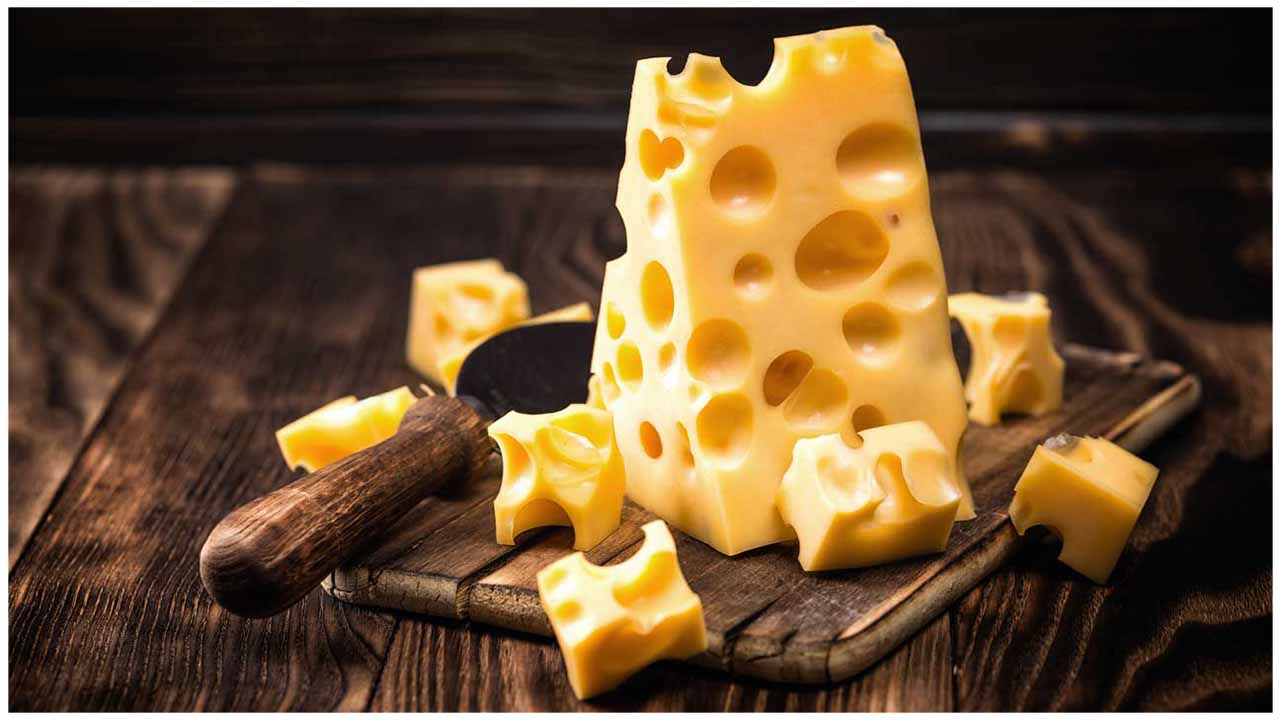
 Numerous cheeses are high in sodium and fat, however, the advantages may exceed the disadvantages




Nutritional Value of Cheese
The nutritional value of cheese makes it a superfood when consumed wisely.
Key Nutrients in Cheese
-
Calcium (for bones & teeth)
-
Protein (for muscle growth)
-
Healthy fats
-
Vitamins A, D, K, B12
-
Zinc & Magnesium
👉 Just 1 slice of cheese can give 20% of your daily calcium requirement.
Why Cheese is Good for You
-
Supports bone strength
-
Helps muscle recovery (important for gym-goers like you)
-
Provides quick energy
-
Keeps you full for longer
So yes, cheese is good for you, but portion control is important.
Cheese Health Benefits
1. Bone & Teeth Strength
One of the biggest cheese health benefits is strong bones.
Calcium + Vitamin D help prevent osteoporosis and improve dental health.
2. Heart & Blood Pressure Support
Some cheeses (low-fat types) help manage blood pressure due to calcium.
👉 Choose low-sodium options for better heart health.
3. Brain & Cell Health
Cheese contains antioxidants like glutathione, which support:
-
Brain function
-
Anti-aging
-
Cell repair
4. Gut Health Improvement
Aged cheese benefits include probiotics that support gut bacteria.
Examples:
-
Cheddar
-
Parmesan
-
Swiss
👉 These aged cheese health benefits improve digestion and immunity.
5. Muscle Growth & Weight Management
Cheese is rich in protein, making it great for:
-
Muscle building
-
Fat loss diets (if controlled)
Perfect for your cutting or recomposition diet.
Types of Cheese & Their Benefits
Popular Cheese Types in India
🔹 Processed & Packaged Cheese
-
Amul cheese slice benefits: Affordable, good calcium source
-
American cheese benefits: Melts easily, good for burgers
-
Almarai cheese triangles benefits: Convenient snack for kids
🔹 Natural Cheese Types
-
Benefit of cheddar cheese: High protein & aged cheese benefits
-
Asiago cheese benefits: Rich flavor + gut-friendly bacteria
-
Asiago cheese health benefits: Supports digestion & immunity
-
Babybel cheese benefits: Portion-controlled, healthy snack
-
Benefit of cream cheese: Soft, easy to digest (in moderation)
Advantage of Cheese in Daily Diet
✔️ Advantage of Cheese
-
Easy to add in meals
-
High nutrient density
-
Great for breakfast, snacks, and gym diets
✔️ Advantage of Eating Cheese
-
Keeps you full (reduces overeating)
-
Supports muscle recovery
-
Adds taste without much quantity
Side Effects of Cheese
Even though there are many cheese benefits, overeating can cause issues.
1. High Saturated Fat
Too much cheese may increase:
-
Cholesterol
-
Heart disease risk
2. High Sodium Content
Processed cheese can raise blood pressure.
3. Lactose Intolerance
Some people may experience:
-
Bloating
-
Gas
-
Stomach discomfort
👉 Hard cheeses (cheddar, parmesan) are easier to digest.
4. Weight Gain Risk
Overeating cheese = extra calories.
Who Should Eat Cheese Carefully?
-
People with heart disease
-
Lactose intolerance
-
Kidney issues (high phosphorus)
-
Those on weight loss (limit portions)
Final Verdict – Should You Eat Cheese?
✔️ Yes, cheese is good for you when eaten in moderation.
✔️ Choose natural, low-fat, and low-sodium options.
✔️ Avoid excess processed cheese.





.jpeg)










.jpg)
.jpg)
.jpg)
.jpg)
.jpg)
.jpg)


.jpg)