Tuesday, October 27, 2026
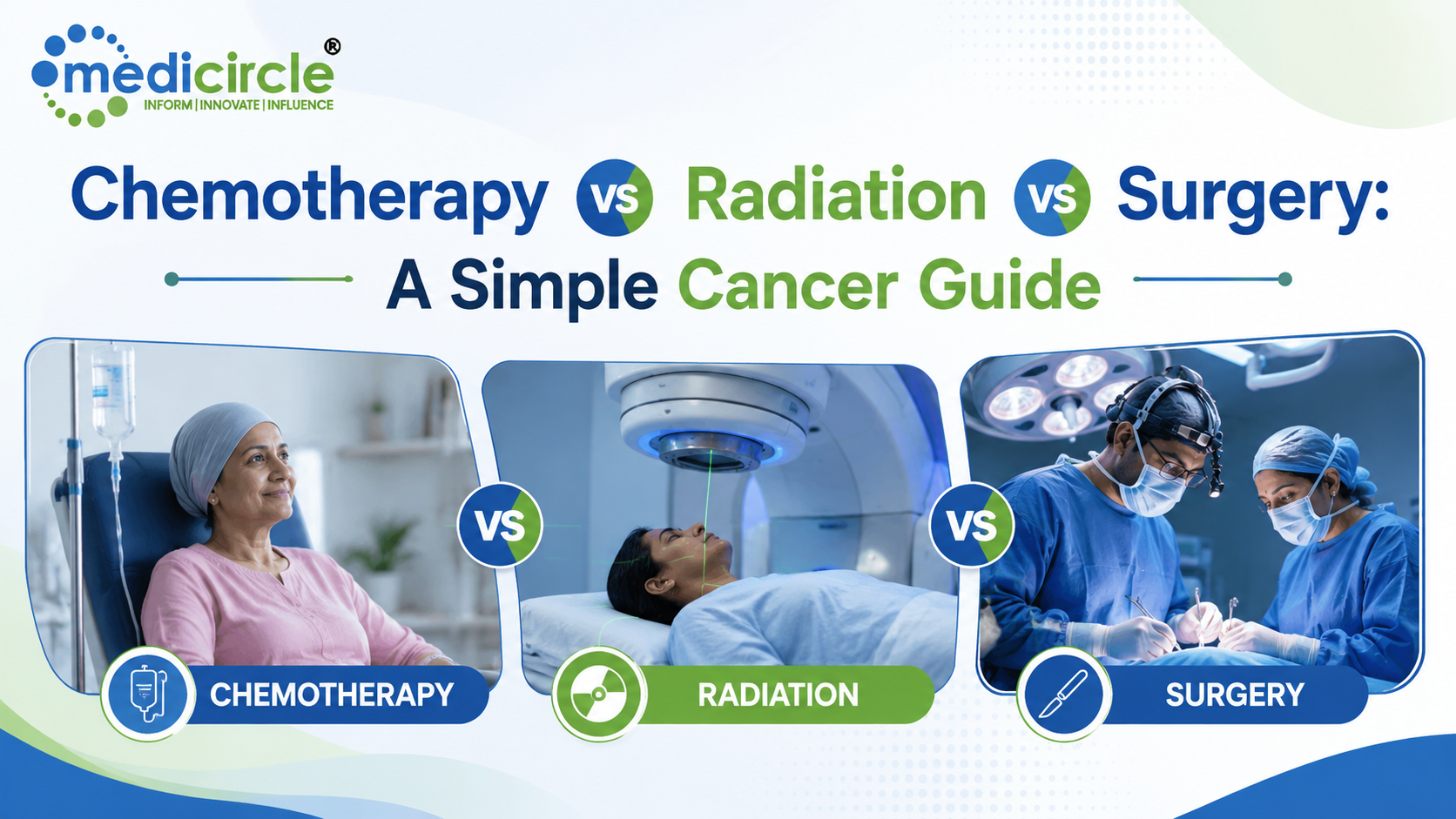
 Surgery, chemotherapy, and radiation are the three primary cancer treatments. Understanding how each works and how oncologists combine them helps Indian patients make informed, confident decisions about their care.




Understanding Your Cancer Treatment Options: Chemotherapy, Radiation, and Surgery Explained
A cancer diagnosis changes everything. In a matter of hours, patients and their families find themselves surrounded by medical terms, treatment options, and decisions that feel overwhelming and deeply personal. Among the most common questions that oncologists across India hear from patients and caregivers is this: why has the doctor recommended chemotherapy and not surgery, or radiation instead of chemotherapy? What do these treatments actually do, and how does a doctor decide which one is right for a particular patient?
This article answers those questions in clear, accessible language. It explains what each of the three primary cancer treatment modalities does, how doctors approach treatment decisions, and what Indian patients can expect at every stage of this journey. Understanding these options does not replace a conversation with your oncologist, but it gives patients the knowledge to ask better questions and participate more meaningfully in their own care.
The Three Pillars of Cancer Treatment
Modern oncology rests on three foundational treatment approaches: surgery, chemotherapy, and radiation therapy. Each works through a different mechanism, targets cancer differently, and is suited to different types, stages, and locations of disease. In many cases, two or all three are used together as part of a carefully designed treatment plan.
Surgery: Removing the Disease at Its Source
Surgery is one of the oldest and most direct approaches to treating cancer. When a tumour is localized, meaning it has not spread beyond its original site, surgical removal offers the best chance of a complete cure. A trained surgical oncologist physically removes the cancerous tissue from the body, along with a margin of healthy surrounding tissue to reduce the risk of any remaining cancer cells.
Surgery plays multiple roles in cancer care. In some cases, it is the primary treatment, removing the tumour entirely. In other situations, it is used to reduce the size of a tumour before other treatments begin, a process known as debulking. Surgery is also used to confirm a cancer diagnosis through biopsy and to relieve symptoms caused by a tumour pressing on a nerve, blood vessel, or organ.
In India, advances in surgical oncology have made procedures less invasive and more precise. Minimally invasive laparoscopic and robotic-assisted surgeries are increasingly available at leading cancer centres such as Tata Memorial Hospital in Mumbai, AIIMS in Delhi, and major private hospital networks including Apollo, Fortis, and Manipal Hospitals. These techniques reduce recovery times and post-operative complications compared to traditional open surgeries.
The primary limitation of surgery is its scope. It works best when cancer is confined to one location. Once cancer has spread to lymph nodes, distant organs, or entered the bloodstream, surgery alone cannot address the disease systemically.
Chemotherapy: Treating Cancer Throughout the Body
Chemotherapy uses powerful drugs to kill cancer cells or stop them from dividing and multiplying. Unlike surgery, which addresses a specific location, chemotherapy travels through the bloodstream and reaches cancer cells throughout the body. This makes it particularly effective for cancers that have spread, blood cancers such as leukemia and lymphoma, and as a preventive measure to destroy microscopic cancer cells that may remain after surgery.
Chemotherapy is administered in cycles. Patients receive treatment over a set period, followed by a rest phase that allows the body to recover. The number of cycles depends on the type of cancer, the drugs used, and how the patient is responding to treatment.
One of the most important concepts for patients to understand is that chemotherapy affects not only cancer cells but also fast-dividing healthy cells. This is why common side effects include hair loss, nausea, fatigue, and a weakened immune system. These side effects, while distressing, are generally temporary and manageable with supportive care. Oncologists in India now have access to better anti-nausea medications and supportive therapies that have significantly improved the experience of chemotherapy for patients.
The cost of chemotherapy in India varies depending on the drug protocol, the number of cycles, and the hospital. At government institutions such as Tata Memorial Hospital and AIIMS, subsidized chemotherapy is available to patients who qualify, making treatment accessible even for families with limited financial resources.
Radiation Therapy: Targeting Cancer with Precision Energy
Radiation therapy uses high-energy rays or particles to damage the DNA of cancer cells, preventing them from growing and dividing. Unlike chemotherapy, which acts systemically throughout the body, radiation is a localized treatment directed at a specific area.
Modern radiation therapy in India has undergone a significant technological transformation. Techniques such as Intensity Modulated Radiation Therapy (IMRT), Image Guided Radiation Therapy (IGRT), Stereotactic Body Radiation Therapy (SBRT), and even Proton Therapy at select centres allow oncologists to precisely target tumours while minimizing damage to surrounding healthy tissue.
Radiation therapy is used in several ways. It can be the primary treatment for cancers such as certain head and neck cancers, cervical cancer, and prostate cancer. It is used alongside chemotherapy, known as chemoradiation, to improve treatment effectiveness. It is also used after surgery to destroy any remaining cancer cells and reduce the risk of recurrence.
Common side effects of radiation depend on the area being treated and may include skin changes, fatigue, and localized discomfort. These effects are usually temporary. With modern planning techniques, radiation oncologists can design treatment plans that deliver maximum dose to the tumour with minimal impact on healthy organs.
How Do Doctors Decide Which Treatment to Recommend?
This is perhaps the most important question patients ask, and the answer reflects the sophisticated, individualized nature of modern cancer care. No single treatment is right for every patient or every type of cancer. Oncologists make treatment decisions based on a combination of clinical, biological, and personal factors.
The Type and Stage of Cancer
The type of cancer, meaning the organ or tissue from which it originates, and the stage, meaning how far it has advanced, are the two most critical factors in treatment planning. Early-stage solid tumours that are localized are often treated primarily with surgery. Blood cancers, which involve the blood and bone marrow, are typically treated with chemotherapy and sometimes radiation. Cancers that are locally advanced but have not spread distantly may be treated with a combination of radiation and chemotherapy before surgery becomes feasible.
For example, a patient in India diagnosed with early-stage breast cancer may undergo surgery to remove the tumour, followed by radiation therapy to the breast area, and chemotherapy to reduce the risk of the cancer returning. A patient with locally advanced cervical cancer, which remains a leading cancer among Indian women, may receive concurrent chemotherapy and radiation as the primary treatment, as evidence from Indian oncology research has supported this approach as highly effective.
The Location of the Tumour
Where a tumour is located within the body significantly influences which treatment is safest and most practical. A tumour near a critical blood vessel or a vital organ may be impossible to remove surgically without unacceptable risk. In such situations, radiation therapy or chemotherapy may be the safer primary approach. Conversely, a tumour in a location that is difficult to irradiate without damaging surrounding structures may be better addressed through surgery.
The Patient's Overall Health and Age
Cancer treatment places significant demands on the body. A patient's general health, organ function, nutritional status, and the presence of other medical conditions, such as diabetes or heart disease, all influence which treatments are safe to administer and at what intensity. Elderly patients or those with multiple health conditions may receive modified treatment plans that balance effectiveness with tolerability.
In India, where many patients present at advanced stages due to delayed diagnosis, health at the time of presentation is a particularly important consideration. Oncologists must sometimes stabilize a patient's overall condition before beginning definitive cancer treatment.
Multidisciplinary Tumour Boards
At reputed cancer centres across India, treatment decisions are not made by a single doctor. A multidisciplinary tumour board, which includes surgical oncologists, medical oncologists, radiation oncologists, radiologists, pathologists, and sometimes palliative care specialists, reviews each case together. This collaborative approach ensures that every patient receives a treatment plan that reflects the collective expertise of the full oncology team rather than a single perspective.
Combination Treatments: Why One Approach Is Often Not Enough
It is essential for patients to understand that surgery, chemotherapy, and radiation therapy are not competing alternatives. They are complementary tools, and in many cancer cases, two or all three are used together in a carefully sequenced plan.
Neoadjuvant therapy refers to chemotherapy or radiation given before surgery to shrink a tumour and make surgical removal easier or more complete. Adjuvant therapy refers to treatment given after surgery to eliminate any remaining cancer cells and reduce the risk of recurrence. Concurrent chemoradiation, where chemotherapy is given at the same time as radiation, is used in many head and neck, cervical, and lung cancer protocols because the two modalities enhance each other's effectiveness against cancer cells.
The sequencing of these treatments matters enormously. Oncologists spend considerable time designing the order and timing of each component to maximize benefit while allowing the body adequate time to recover between phases.
What Indian Patients and Families Need to Know
India carries a significant cancer burden. According to health data, the country registers over 1.4 million new cancer cases annually, and late-stage diagnosis remains a major challenge due to limited awareness and delayed health-seeking behaviour. This makes patient education critically important.
One of the most powerful things a patient or family member can do is ask questions. Ask the oncologist to explain the reasoning behind the recommended treatment. Ask about the goal of treatment, whether it is curative or aimed at controlling the disease and improving quality of life. Ask about side effects, their likely severity, and how they will be managed. Ask about the expected timeline and what follow-up will look like.
Financial considerations are real and significant for Indian families. Government schemes such as Ayushman Bharat Pradhan Mantri Jan Arogya Yojana provide cancer treatment coverage to eligible patients at impanelled hospitals. State cancer institutes and public hospitals such as Tata Memorial Hospital in Mumbai and the Regional Cancer Centres across the country offer subsidized treatment. Many pharmaceutical companies also operate patient assistance programmes for cancer drugs.
Medicircle, as a trusted healthcare media and knowledge platform, plays a meaningful role in this landscape. The platform connects patients with credible expert voices, oncologist perspectives, and disease awareness content that helps families understand their diagnosis and navigate treatment decisions with greater confidence. For hospitals and oncologists, Medicircle offers a channel to share evidence-based information and build patient trust through responsible, expert-led communication.
Side Effects and Recovery: Setting Realistic Expectations
Every cancer treatment carries side effects, and understanding them in advance helps patients and families prepare and cope more effectively.
Surgical recovery depends on the type and extent of the procedure. Major surgeries require hospital stays, wound care, and a gradual return to activity. Patients undergoing surgeries that alter body function, such as bowel surgery or mastectomy, benefit greatly from rehabilitation support and psychological counselling.
Chemotherapy side effects vary by the drug regimen but commonly include fatigue, nausea, hair loss, reduced blood cell counts, and increased susceptibility to infections. These are monitored closely through regular blood tests, and supportive medications are prescribed to minimize discomfort. Most side effects resolve after treatment ends, though some patients experience longer-term effects that require continued monitoring.
Radiation therapy side effects are typically localized to the area being treated. Skin in the radiation field may become red and sensitive. Fatigue is common. Specific side effects depend on the body region treated; for example, radiation to the head and neck may affect saliva production, while radiation to the abdomen may affect bowel function. These effects are managed proactively and usually improve after the completion of radiation.
Conclusion
Cancer treatment is not a single path but a carefully mapped journey that is uniquely designed for each patient. Surgery, chemotherapy, and radiation therapy each serve distinct and important purposes, and skilled oncologists use these tools in combination to give patients the best possible outcomes. Understanding how these treatments work, what they aim to achieve, and how decisions are made empowers patients to be active participants in their care rather than passive recipients.
For Indian patients and families, this knowledge is especially important given the challenges of late-stage diagnosis, financial considerations, and the complexity of navigating a large and varied healthcare system. Seeking care at multidisciplinary oncology centres, asking informed questions, and accessing credible patient education resources are all steps that can make a meaningful difference.
Platforms like Medicircle contribute to this by making trusted healthcare information accessible, connecting patients with expert voices, and supporting the kind of informed, aware, and engaged healthcare community that India's cancer landscape urgently needs.
Frequently Asked Questions
Can surgery, chemotherapy, and radiation therapy be given together for cancer treatment?
Yes. In many cancer cases, two or all three treatments are used in a planned sequence. For example, chemotherapy may be given before surgery to shrink a tumour, or radiation may follow surgery to destroy remaining cancer cells. Oncologists design these combination plans based on the specific cancer type, stage, and the patient's overall health.
How does a doctor decide which cancer treatment is right for me?
Treatment decisions are based on multiple factors, including the type of cancer, the stage at which it is diagnosed, the location of the tumour, the patient's overall health, age, and organ function, and the available evidence about what works best for that specific cancer. Most reputed cancer centres in India use a multidisciplinary tumour board where specialists from different disciplines review each case together before finalizing a treatment plan.
Are cancer treatments like chemotherapy and radiation affordable in India?
India offers cancer treatment at significantly lower costs compared to Western countries. Government hospitals such as Tata Memorial Hospital and AIIMS provide subsidized treatment, and schemes like Ayushman Bharat offer coverage for eligible patients. Private hospital chains also have patient assistance programmes. The cost varies based on the type of treatment, number of cycles or sessions, drugs used, and the hospital chosen.
Surgery, chemotherapy, and radiation are the three primary cancer treatments. Understanding how each works and how oncologists combine them helps Indian patients make informed, confident decisions about their care.





-23-300x250.png)

.jpeg)

.jpg)
.jpg)
.jpg)
.jpg)
.jpg)
.jpg)
.jpg)
.jpg)
.jpg)