 Saturday, November 21, 2026
 The chances of developing Progressive Pseudorheumatoid Dysplasia are extremely uncommon, estimated at around 1 in 10 lakh individuals.





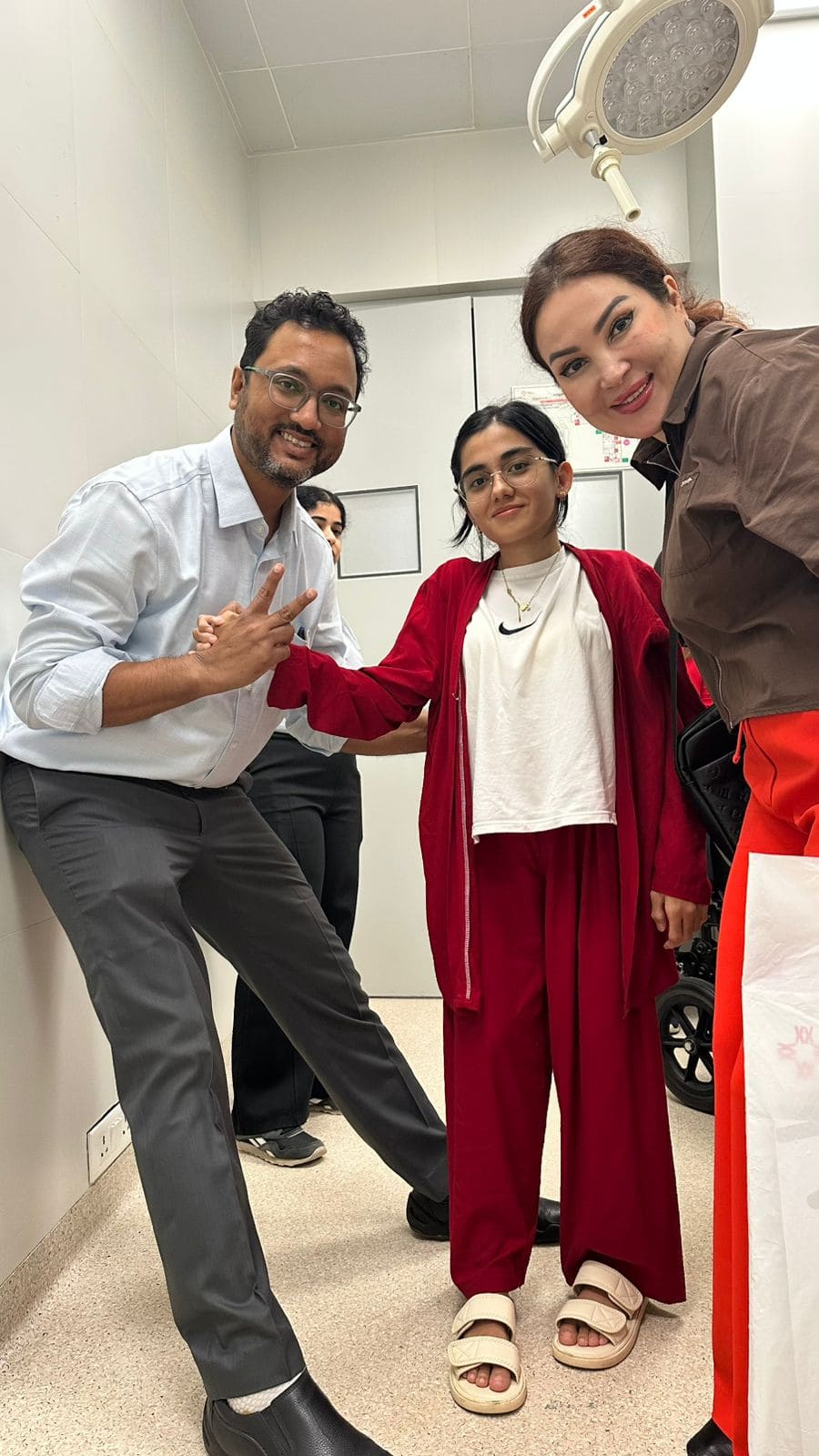
Gurugram, November 18th, 2025: In an extraordinary testament to medical excellence, doctors at CK Birla Hospital, Gurugram have successfully performed a life-saving bilateral joint replacement surgery on a 20-year-old patient from Uzbekistan suffering from Progressive Pseudorheumatoid Dysplasia (PPRD), a rare and non-inflammatory skeletal disorder often misdiagnosed as Juvenile Idiopathic Arthritis (JIA). The young woman, who had endured years of multiple joint pains, severe deformities and restricted mobility, was also highly underweight, adding to the complexity of the case.
Before arriving at CK Birla Hospital, the patient had consulted several hospitals in her home country and across Asia, but she was misdiagnosed and treated with immunosuppressive therapies, including DMARDs and steroids. Under the expert guidance of Dr. Debashish Chanda, Director, Department of Orthopaedics, CK Birla Hospital, Gurugram and his team, the underlying cause was finally identified as PPRD.
Sharing the details of the case, Dr. Debashish Chanda, Director, Department of Orthopaedics, CK Birla Hospital, Gurugram said, “This case was particularly challenging and unique. The patient presented classic symptoms of PPRD, extensive destruction of large weight-bearing joints along with smaller joint involvement, yet a complete absence of inflammation. Despite severe joint damage, her inflammatory markers remained normal, which helped us differentiate PPRD from JIA and reach the correct diagnosis. The surgery was further complicated by her low body weight of just 40 kg and height of 4 feet 4 inches, which made both surgical execution and the availability of appropriately sized implants extremely challenging, even in advanced centers.”
A specialised bilateral hip replacement surgery and rehabilitation plan for the patient was carefully tailored by the doctor, catering to her unique needs. Given her fragile condition and long history of immobility, the medical team at the hospital adopted a multidisciplinary approach to ensure a safe and effective recovery. Post-surgery, her rehabilitation was fully personalised, with a dedicated team of five physiotherapists working closely under medical supervision to help her gradually regain mobility and muscle strength. For someone who had not walked for years, rebuilding balance and coordination was a formidable challenge.
Through intensive physiotherapy, strength training and continuous motivation, she can now stand, walk, and eventually lead a pain-free and independent life.





-23-300x250.png)




















