 Thursday, October 08, 2026
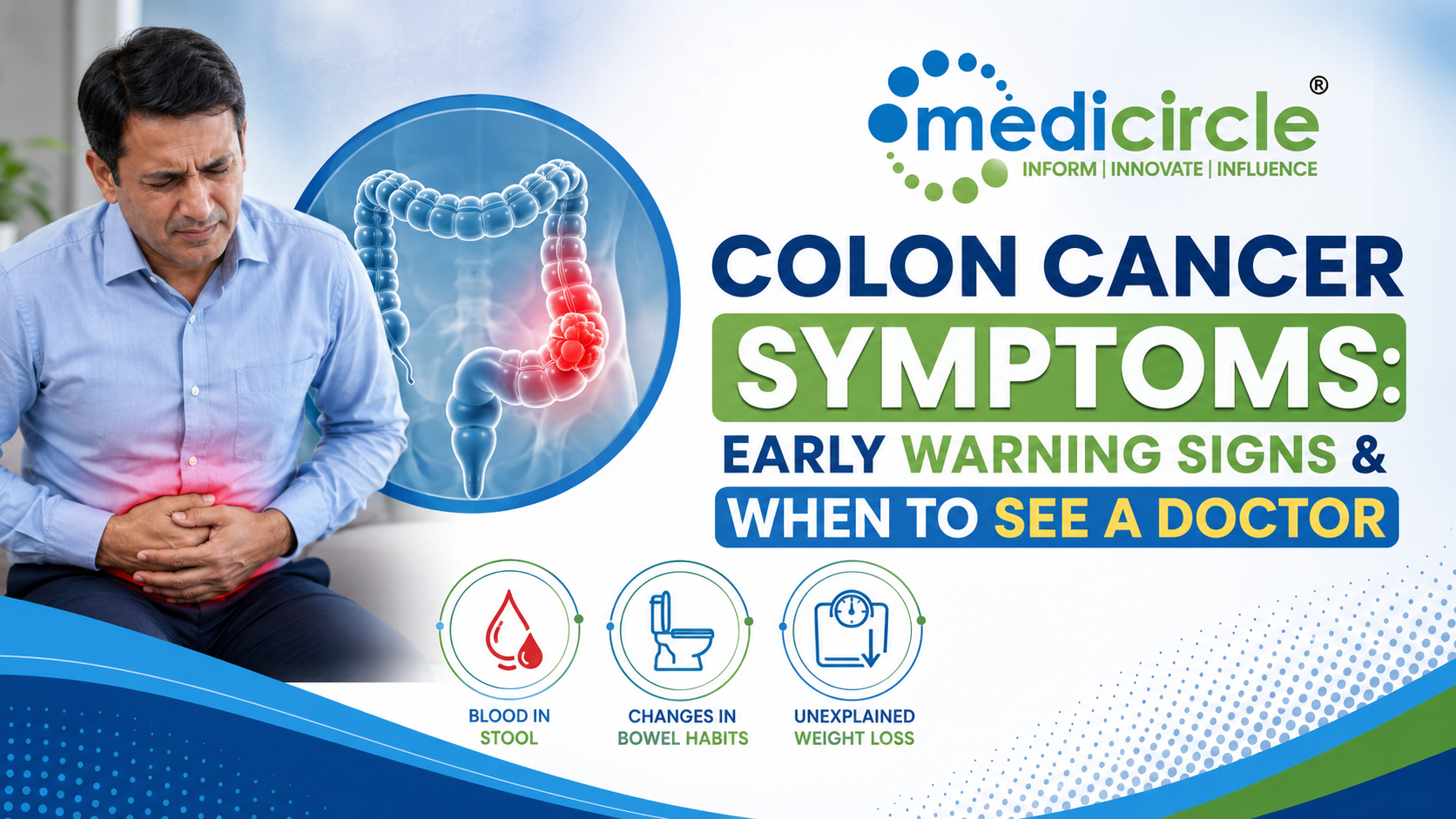
 Understanding how colon cancer manifests through specific physical signals, including rectal bleeding, chronic shifts in bowel habits, and unexpected weight drops, helps individuals move past guesswork and make informed decisions regarding their health.





Colon Cancer Symptoms: Blood in Stool, Constipation and Weight Loss Explained
Colorectal cancer is rapidly becoming a major focus within the healthcare landscape of India. While historically viewed as a condition predominantly affecting older demographics in Western nations, changing urban lifestyles, shifts toward processed dietary choices, and advanced diagnostic reporting have altered this narrative completely. Today, Indian medical professionals are observing a steady rise in colorectal cases, frequently impacting individuals at much younger stages of life than previously expected. Recognizing the initial warning signs of this condition is a powerful tool, because early identification completely transforms clinical outcomes and survival trajectories.
Because the human digestive system often reacts to stress, infections, or dietary imbalances with similar discomforts, many people instinctively brush off early red flags. It is incredibly easy to blame a bout of irregular digestion on a heavy meal, a localized stomach bug, or common hemorrhoids. However, when these disruptions linger rather than clearing up, they require intentional clinical evaluation. Understanding how colon cancer manifests through specific physical signals helps individuals move past guesswork and make informed decisions regarding their health.
At Medicircle, our core purpose is to break down complex medical realities into clear, accessible health awareness. By shedding light on what these symptoms mean in an everyday context, we aim to help families overcome the awkwardness or privacy concerns that often surround discussions about bowel habits. Prioritizing timely medical screenings saves lives, and normalization is the very first step toward prevention.
Understanding Blood in Stool
Noticing blood during or after a bowel movement is one of the most explicit indicators that something along the intestinal tract requires investigation. In clinical settings, this symptom presents in varied forms, each offering a clue about where the underlying issue might be located in the large intestine. For some people, it appears as a streak of bright crimson on toilet tissue, while for others, it alters the waste entirely, turning it into a dark, sticky, or deep black mass.
Bright Red Blood
Bright red blood typically indicates that the source of the bleeding is situated near the rectum or the lower segments of the colon. This is incredibly common in benign, routine issues such as anal fissures or piles. Despite how frequently these everyday conditions are the culprit, assuming a self-diagnosis without an expert evaluation is highly risky. As a malignant tumor develops along the vascular inner walls of the colon, the continuous passage of stool can easily irritate its delicate surface, causing it to bleed visibly.
Dark Tarry Blood
Conversely, when a growth is located higher up in the digestive tract, the blood travels a longer distance. This extended journey allows it to break down and mix thoroughly with the stool, resulting in a dark red or tarry black appearance known medically as melena. Most deceptively, bleeding can sometimes be so minimal that it is entirely invisible to the naked eye. This hidden, or occult, blood is usually uncovered through standard laboratory analysis or when a patient undergoes diagnostic testing to find the root cause of chronic exhaustion, low energy, and unexplained drops in hemoglobin.
Changing Bowel Habits
A brief phase of irregular digestion or constipation happens to nearly everyone, usually brought on by a sudden dietary change, low water intake, or a few sedentary days. However, when constipation turns into a long-term struggle or begins alternating unexpectedly with bouts of diarrhea, it marks a significant shift away from normal health. A prolonged, noticeable change in your regular restroom patterns is a primary indicator of physical alterations inside the bowel.
Intestinal Roadblocks
When a tumor progressively enlarges within the hollow passage of the large intestine, it behaves like a physical roadblock. This narrowing leaves less room for solid waste to navigate smoothly, forcing the intestinal muscles to work much harder to move things along. The direct result is deep, stubborn constipation. Patients living with this obstruction often describe an unsettling sensation called tenesmus, where they feel a constant, unfulfilled urge to pass stool even after using the restroom.
Stool Narrowing Changes
As the internal space constricts further, the physical shape and consistency of the stool adapt to the narrow opening, frequently taking on a distinctly thin, pencil-like, or ribbon-like form. Additionally, because solid waste becomes trapped behind the narrowing, fluid from higher up in the digestive system can seep around the mass. This creates an erratic cycle where severe constipation suddenly gives way to unprovoked liquid diarrhea. Relying indefinitely on over-the-counter laxatives to manage these persistent fluctuations can dangerously mask a deeper issue that needs prompt medical attention.
Unexplained Weight Loss
While dropping a few kilograms is usually a cause for celebration among fitness enthusiasts, losing weight without making any changes to your food intake or daily activity is a profound biological warning. Clinically speaking, dropping a noticeable percentage of your total body weight within a short window of time without an intentional cause is a systemic signal that the body is under stress from an underlying illness.
Energy Depletion Mechanics
In oncology, involuntary weight loss is driven by complex metabolic shifts. Malignant tumors are highly active and consume significant amounts of the body baseline energy to fuel their rapid cellular replication. To keep up with this continuous nutrient demand, the body is forced to prematurely break down its own stored fat reserves and skeletal muscle tissue, leading to a state of progressive wasting.
Inflammatory Appetite Suppression
Simultaneously, a developing tumor secretes inflammatory proteins into the bloodstream that disrupt normal metabolic pathways and actively suppress the brain appetite signals. The immune system ongoing battle against the internal growth adds to a general sense of deep systemic exhaustion. If you notice that your clothes are suddenly hanging loosely or that you feel entirely worn out alongside new digestive issues, consulting a healthcare professional is paramount.
Intestinal Mechanical Alterations
The large intestine is responsible for the crucial closing stages of our digestive journey, focusing heavily on extracting water, regulating essential electrolytes, and processing waste into a manageable form for elimination. When the delicate balance of cellular replacement along the colon lining is disrupted, small, non-cancerous clusters of cells called polyps can slowly form over a period of years. While many of these polyps remain entirely harmless, specific types can gradually accumulate genetic mutations and transform into malignant tumors.
Once a tumor becomes established, it alters the natural, rhythmic muscular contractions that move material through the gut. It also compromises local networks of delicate blood vessels, causing a steady, low-grade loss of blood over time. Because this blood loss is often gradual and unnoticed, it slowly drains the iron stores of the body, eventually causing iron-deficiency anemia. This condition leaves individuals feeling perpetually winded, abnormally pale, and fatigued by standard everyday tasks.
Furthermore, the structural damage to the intestinal lining impairs its ability to absorb fluids efficiently. This localized fluid imbalance leads directly to the painful bloating, persistent abdominal cramps, and erratic bowel behaviors that are frequently reported during clinical consultations. Recognizing that these separate symptoms stem from the same structural change highlights why treating them as independent, minor stomach issues can be an oversight.
Identifying True Causes
Because our digestive tract relies on a limited set of symptoms to signal irritation, the warning signs of colon cancer frequently mimic much more common, non-threatening stomach conditions. In India, issues like amoebic infections, irritable bowel syndrome, inflammatory bowel conditions, and standard piles are incredibly widespread. Telling the difference between a passing stomach issue and a more serious condition requires looking closely at how long the symptoms last and whether they worsen over time.
|
Clinical Feature |
Common GI Issues |
Potential Colon Cancer Red Flags |
|---|---|---|
|
Duration and Trend |
Clears up within days or a couple of weeks with basic care or dietary changes. |
Lasts longer than two to three weeks and progressively worsens. |
|
Bleeding Style |
Bright red blood mostly on the surface of the stool; often causes acute local pain. |
Can be bright crimson, dark, or mixed in; often entirely painless and recurrent. |
|
Weight Variables |
Weight stays stable, or drops briefly during an infection before rebounding. |
Steady, unintentional drop in weight accompanied by a loss of appetite. |
|
Stool Structure |
Short-term shifts clearly tied to specific meals, travel, or periods of high stress. |
Long-term changes, such as pencil-thin stools or a constant feeling of blockage. |
Seeking Professional Consultation
Pinpointing the exact cause of chronic abdominal or bowel distress requires specialized clinical tools. It is highly recommended to schedule a consultation with a gastroenterologist if any of the warning signs discussed persist beyond two to three weeks. Waiting around for intense pain to surface is a common pitfall, as early-stage colon cancer rarely causes physical pain.
Your clinical evaluation will typically begin with a detailed review of your personal medical history, family health patterns, and lifestyle habits. Early diagnostic screening generally includes a highly sensitive stool test to look for hidden microscopic blood traces, alongside baseline blood panels to evaluate your iron levels and check for anemia. If these initial steps point toward an intestinal issue, a colonoscopy is considered the gold standard next step to inspect the colon clearly.
During a colonoscopy, a specialist uses a thin, highly flexible instrument fitted with a camera to examine the entire inner surface of the large intestine. If any unusual polyps or tissue patterns are identified, the doctor can safely remove them or take tiny samples for a biopsy right then and there. A laboratory biopsy is the definitive method to determine if cancer cells are present, giving medical teams the precise data they need to build an effective, personalized care plan.
Frequently Asked Questions
Can longstanding piles gradually turn into colon cancer?
No, piles do not transform into cancer. Piles are simply swollen, inflamed veins located around the anus and lower rectum, whereas colon cancer begins as abnormal cellular growth within the inner lining of the large intestine itself. However, because both conditions cause rectal bleeding, an expert medical exam is required to ensure a benign issue is not masking a more serious concern.
At what age should an average-risk individual begin routine screening?
For individuals with an average risk profile, routine screenings are generally recommended to start between the ages of 45 and 50. That said, if you have a family history of colorectal cancer, genetic syndromes, or chronic inflammatory bowel diseases, or if you are experiencing active symptoms, your screening timeline should start much earlier based on your doctor advice.
Does a sudden change in stool color mean I have cancer?
Not necessarily. The color of your stool is highly sensitive to what you eat, such as iron supplements, beetroot, dark green vegetables, or foods with intense artificial coloring. However, if your stool turns a persistent dark, tarry black and this change cannot be linked to your recent diet or medications, it needs to be investigated by a physician immediately.
Embracing Awareness Lifelines
Managing your long-term health requires a proactive approach to changes in your body. While identifying symptoms like blood in your stool, chronic bowel irregularities, or a sudden drop in weight can be deeply unsettling, catching these indicators early gives you a vital medical advantage. When identified in its initial, localized stages, colon cancer is highly treatable, and timely intervention significantly improves the long-term quality of life of a patient.
Encouraging open, everyday conversations about digestion and bowel habits within Indian households is essential to breaking down the hesitation that often delays crucial doctor visits. While focusing on a high-fiber traditional diet, staying well-hydrated, and staying active are wonderful ways to support everyday gut health, they are not a substitute for proper clinical evaluation when warning signs appear.
Medicircle remains dedicated to providing clear, reliable health education that empowers you to take charge of your wellness journey. Tuning into your body unique signals, seeking expert medical advice without delay, and choosing professional diagnostic screenings when necessary are the most effective steps you can take to protect your health and future well-being.
Understanding how colon cancer manifests through specific physical signals, including rectal bleeding, chronic shifts in bowel habits, and unexpected weight drops, helps individuals move past guesswork and make informed decisions regarding their health.






.jpeg)








.jpg)
.jpg)
.jpg)
.jpg)
.jpg)
.jpg)


.jpg)
.jpg)
.jpg)