Sunday, October 25, 2026
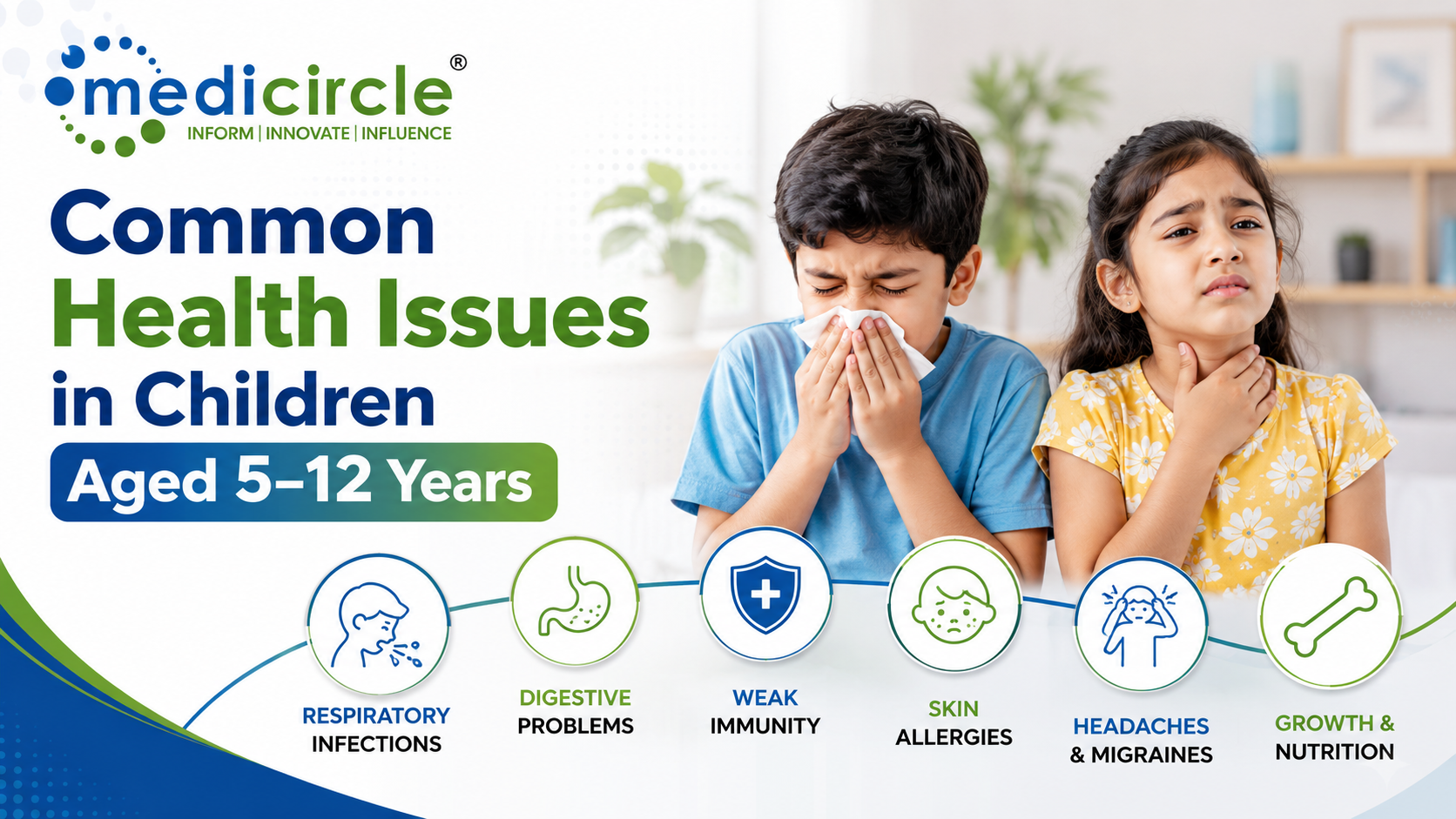
 Common childhood health issues often begin with daily lifestyle patterns involving nutrition, sleep, emotional balance, and physical activity. Early awareness and healthy habits help reduce long-term risks linked to obesity, cardiovascular disease, and overall developmental challenges.




Children between the ages of 5 and 12 go through one of the most important stages of physical and emotional development. During these years, habits begin to form, immunity changes rapidly, and early signs of long-term health issues may start appearing in subtle ways. Many parents focus only on visible illnesses, but modern childhood health concerns now include lifestyle patterns, emotional stress, sleep imbalance, poor diet, and reduced physical activity. Understanding these conditions early helps families create healthier routines and reduce future risks linked to problems such as obesity, diabetes, and even adult conditions like cardiovascular disease and heart disease later in life.
Why Health Issues in Children Are Increasing in Modern Lifestyles
The health environment surrounding children today is very different from previous generations. Daily routines have become more sedentary, processed food consumption has increased, and screen exposure has replaced outdoor activity in many households. These changes affect children not only physically but also emotionally and socially.
One of the reasons many health issues go unnoticed is because symptoms often appear gradually. A child who constantly feels tired may not necessarily be “lazy.” Sleep quality, poor nutrition, stress from academics, or even mild nutritional deficiencies may be involved. Similarly, frequent stomach discomfort or headaches may not always be isolated problems. They can reflect lifestyle imbalance or emotional pressure.
Urban lifestyles also influence children differently compared to rural settings. Limited outdoor play, irregular eating schedules, and dependence on packaged food contribute to increasing digestive and immunity-related concerns. In colder climates, children may spend less time outside during long winters, while in warmer regions dehydration and poor hydration habits become more common.
These lifestyle patterns matter because childhood health strongly shapes adult health outcomes. Poor habits formed early often continue into adolescence and adulthood, increasing long-term risks connected to obesity, diabetes, and even conditions such as ischemic heart disease later in life.
Frequent Infections and Weak Immunity in School-Age Children
Children between 5 and 12 are exposed to many environments every day, especially schools, playgrounds, and activity centers. This constant exposure makes infections one of the most common childhood concerns.
The immune system during this stage is still developing. Because of this, children often catch colds, throat infections, stomach bugs, and seasonal flu more frequently than adults. However, repeated illness is not always only about germs. Sleep quality, nutrition, hydration, and stress levels also influence immunity significantly.
Factors That Often Contribute to Frequent Childhood Infections- Irregular sleep patterns weaken natural immune response over time
Children who sleep late due to screen exposure or academic pressure often experience lower immunity. Poor sleep affects how the body repairs itself, making children more vulnerable to infections and slower recovery. - Processed foods reduce nutritional balance needed for healthy growth
Highly processed snacks and sugary drinks may provide quick energy but often lack nutrients required for strong immunity. Over time, this affects gut health and the body’s ability to fight infections naturally. - Limited outdoor activity affects physical resilience and stamina
Regular movement and outdoor exposure help improve circulation, energy levels, and immune function. Sedentary routines may increase fatigue and reduce overall physical resilience in children.
These concerns may seem minor initially, but repeated infections can affect school performance, social interaction, and emotional confidence over time.
Digestive Problems and Nutritional Imbalance in Growing Children
Digestive discomfort is becoming increasingly common in school-age children. Many parents notice symptoms such as bloating, irregular appetite, constipation, or stomach pain, especially after meals. These problems are often connected to eating habits rather than isolated illness.
Children today consume more fast food, sugary snacks, and low-fiber meals than before. At the same time, meal timing has become inconsistent in many households. Skipping breakfast, eating while watching screens, or relying heavily on packaged foods affects digestion significantly.
The digestive system is closely linked to energy, mood, concentration, and immunity. Poor gut health can lead to reduced nutrient absorption, which affects growth and daily functioning. Some children may appear physically healthy while still lacking essential nutrients.
Nutritional imbalance also creates long-term concerns. Childhood obesity is rising globally, and excess weight during early years increases future risks linked to heart disease and metabolic conditions. While children rarely experience adult cardiovascular conditions directly, poor dietary habits in childhood may gradually contribute to future risks related to congestive heart disease and cardiovascular disease later in life.
The challenge is that these patterns often develop silently. Parents may notice only small signs such as low energy, mood swings, or poor focus without realizing that nutrition is playing a major role.
Emotional Health and Behavioral Changes in Children
Mental and emotional health concerns among children are now receiving more attention worldwide. Anxiety, low confidence, emotional withdrawal, and stress-related behavior are becoming increasingly common in school-age children.
Unlike adults, children often struggle to express emotional discomfort clearly. Instead of verbalizing stress, they may become irritable, lose interest in activities, or develop physical symptoms like headaches or stomach pain.
Academic pressure, social comparison, excessive screen exposure, and reduced family interaction all contribute to emotional imbalance. Children also absorb emotional stress from their environment more deeply than many adults realize.
Signs That Emotional Health May Need Attention- Changes in sleep or appetite patterns may reflect emotional stress
Some children lose appetite during stress, while others eat excessively for comfort. Sleep disturbances are also common during periods of anxiety or emotional overwhelm. - Loss of interest in activities can indicate deeper emotional imbalance
Children who suddenly avoid hobbies or social interaction may be struggling emotionally rather than simply “being moody.” - Difficulty concentrating often overlaps with emotional fatigue
Stress and anxiety affect memory, focus, and learning capacity. Academic struggles sometimes reflect emotional pressure rather than lack of ability.
Emotional health directly influences physical health. Long-term stress affects hormones, digestion, sleep quality, and even immunity.
Childhood Obesity and Early Lifestyle-Related Risks
One of the most concerning modern childhood trends is increasing obesity among children aged 5–12. Reduced physical activity and increased calorie consumption have significantly changed childhood health patterns.
Childhood obesity is not only about body weight. It influences breathing, sleep quality, joint health, confidence, and long-term metabolic function. Many children who experience obesity also struggle emotionally due to social pressure or bullying.
What makes this issue more important is its connection to future adult diseases. Poor dietary habits, low activity levels, and excess weight during childhood may gradually increase risks linked to diabetes and cardiovascular disease later in life.
Some studies also suggest that early metabolic imbalance may contribute to conditions associated with ischemic heart disease during adulthood. While these conditions do not typically appear during childhood itself, the foundation for future risk often begins early.
Modern lifestyles make prevention challenging. Digital entertainment, busy family routines, and convenience-based eating patterns have normalized inactivity and processed food dependence.
The focus should not be fear-based. Instead, healthy routines should become part of everyday family life naturally through balanced meals, outdoor activity, proper sleep, and reduced screen dependency.
Respiratory Conditions and Environmental Influences
Respiratory concerns such as asthma, allergies, and breathing difficulties are increasingly common among children. Environmental factors play a major role in this trend.
Air quality, indoor pollution, weather changes, and allergens all affect respiratory health. Children living in crowded urban areas may experience more respiratory irritation due to pollution exposure, while seasonal changes can worsen symptoms in colder climates.
Respiratory conditions also influence sleep and energy levels. A child who struggles with breathing at night may experience fatigue, irritability, or difficulty concentrating during the day.
Another challenge is overlap between respiratory symptoms and anxiety. Shortness of breath linked to stress or panic may sometimes appear similar to physical breathing conditions.
Long-term respiratory health also connects with overall cardiovascular function. Healthy breathing supports oxygen circulation throughout the body, which is important for long-term heart and physical health.
Building Healthy Habits That Support Long-Term Well-Being
The most effective way to manage common childhood health concerns is through sustainable habits rather than temporary solutions.
Healthy routines work best when they become part of family lifestyle instead of strict rules. Children are more likely to maintain habits that feel natural and enjoyable.
Balanced meals, regular sleep schedules, outdoor activity, emotional support, and limited screen exposure all contribute to healthier development. These habits also reduce long-term risks associated with obesity, diabetes, and adult conditions like heart disease.
Consistency matters more than perfection. Small daily habits often create stronger long-term results than occasional extreme changes.
Parents, schools, and communities all influence childhood health outcomes. Supportive environments make healthy choices easier and more sustainable for children as they grow.
Conclusion
Understanding common health issues in children aged 5–12 years requires looking beyond temporary illness. Physical health, emotional well-being, nutrition, lifestyle habits, and environmental factors all work together to shape long-term development. Early awareness helps families recognize patterns before they become larger concerns.
Healthy routines built during childhood often influence future outcomes, including risks connected to obesity, cardiovascular disease, and heart disease later in life. With balanced habits, supportive environments, and early understanding, children can develop stronger physical and emotional resilience for the future.
Frequently Asked Questions (FAQs)
1. What are the most common health issues in children aged 5–12 years?The most common health issues in children include frequent infections, digestive discomfort, obesity, allergies, emotional stress, and respiratory problems. Many of these concerns are connected to lifestyle habits, sleep quality, and nutrition. Poor routines during childhood may also influence long-term risks linked to heart disease and metabolic imbalance later in life.
2. Why are childhood health problems increasing today?Modern routines have changed significantly, with more screen exposure, processed food consumption, and reduced physical activity. These lifestyle changes affect the health issues children experience by influencing immunity, emotional balance, and energy levels. Over time, these habits may contribute to future concerns associated with cardiovascular disease and poor long-term health patterns.
3. How does poor diet affect children’s overall health?Poor nutrition affects digestion, concentration, sleep, and emotional stability. Highly processed foods often reduce nutrient intake and negatively affect the gut microbiome, which plays an important role in immunity and energy levels. Long-term unhealthy eating habits may also increase risks linked to obesity and ischemic heart disease later in adulthood.
4. Can stress and emotional pressure affect children physically?Yes, emotional stress often affects children physically because they may struggle to express feelings clearly. Stress can influence sleep, appetite, digestion, and energy levels. These emotional and physical overlaps are now considered important childhood health issues and may affect long-term well-being if ignored.
5. Why do some children get sick more frequently than others?Frequent illness is often influenced by immunity, sleep quality, nutrition, and environmental exposure. Children with irregular routines or poor dietary habits may have weaker immune responses. Healthy habits and proper recovery support stronger physical resilience and reduce repeated infections.
6. How is childhood obesity connected to future heart problems?Childhood obesity affects metabolism, circulation, and overall body function. Over time, unhealthy eating habits and inactivity may increase future risks related to heart disease and congestive heart disease. Early prevention through balanced routines helps improve long-term cardiovascular health.
7. What role does sleep play in children’s health?Sleep is essential for growth, immunity, emotional balance, and concentration. Poor sleep patterns can worsen many health issues, including fatigue, emotional stress, and reduced immunity. Consistent sleep routines also support better hormonal balance and healthy development.
8. How do environmental factors influence children’s health?Air quality, weather conditions, indoor pollution, and lifestyle environments all affect children differently. Poor environmental conditions may worsen respiratory concerns and reduce physical activity. These influences can indirectly affect long-term risks linked to cardiovascular disease and overall wellness.
9. What are early signs that a child’s health may need attention?Signs such as low energy, repeated infections, poor concentration, appetite changes, or emotional withdrawal may indicate deeper concerns. Many childhood health issues develop gradually, so recognizing patterns early helps families support healthier routines before problems become more serious.
10. How can families support healthier habits in children naturally?Families can support healthier development by encouraging balanced meals, outdoor activity, proper sleep, emotional communication, and reduced screen dependency. These habits improve overall well-being and help lower future risks associated with obesity, heart disease, and lifestyle-related health concerns.





-23-300x250.png)

.jpeg)


.jpg)
.jpg)
.jpg)
.jpg)
.jpg)
.jpg)
.jpg)
.jpg)
.jpg)