 Wednesday, November 18, 2026
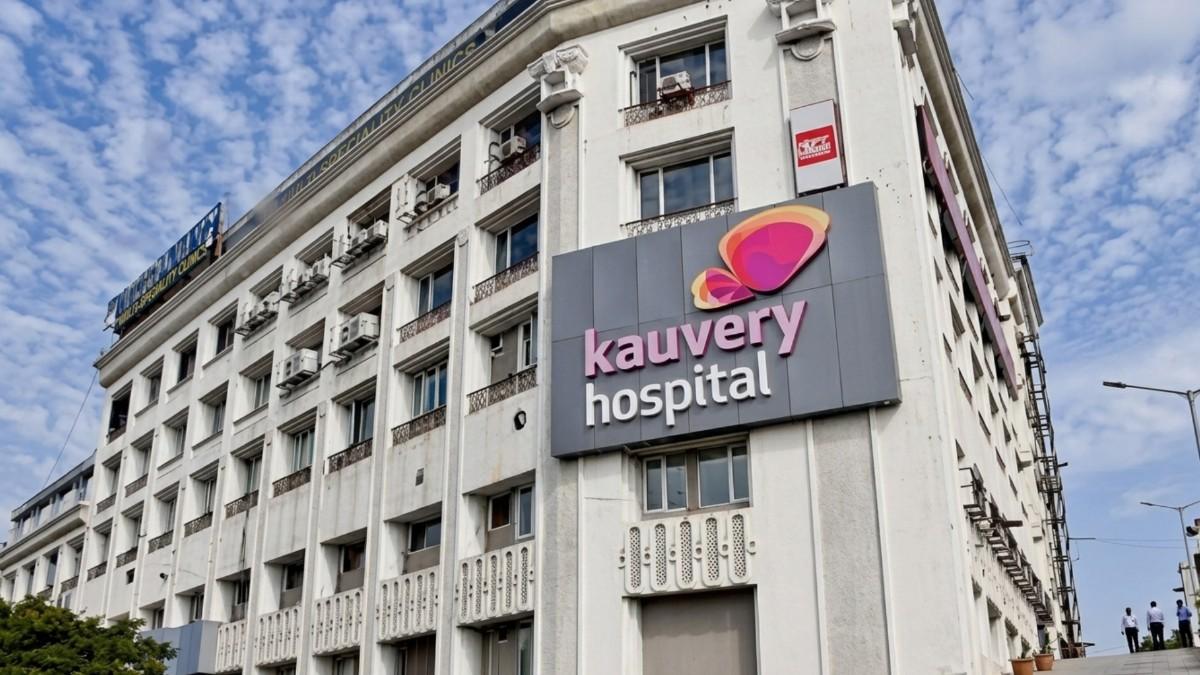
 Kauvery Hospital successfully performed a high-risk brain surgery on a 59-year-old woman, removing a massive frontal tumour that occupied nearly half the brain.





Chennai, April 10, 2026: Kauvery Hospital successfully performed a high-risk brain surgery on a 59-year-old woman, removing a massive frontal tumour that occupied nearly half the brain. The patient, who had undergone brain surgery following a haemorrhage seven years ago and had since been bedridden and dependent on tracheostomy support for breathing, showed signs of recovery within 48 hours after the procedure.
When the patient was brought to Kauvery Hospital, Vadapalani she was in critical condition. Investigations revealed a massive frontal brain tumour causing significant compression of surrounding structures. Despite limited margins for error due to her prolonged bedridden state, tracheostomy, and overall frailty, the surgical team, led by Dr. Ranganathan Jothi, performed a bifrontal craniotomy, surgical opening of the front skull to access both frontal lobes, and successfully removed the tumour in full. Post tumour removal, reconstruction of the skull base was carried out using the patient’s own tissue to minimise the risk of complications such as infection or cerebrospinal fluid leak.
In his comments, Dr. Ranganathan Jothi, Chief - Brain & Spine Surgeon, Director of Neurosciences, Kauvery Hospital, Vadapalani said, “Operating on a previously operated brain is itself a significant challenge. The procedure was further complicated by scar tissue, distorted anatomy, and the tumour’s proximity to critical brain structures and blood vessels, making it highly complex and demanding exceptional precision. Further complicating matters, the tumour’s size and the patient’s condition, having been bedridden for seven years with a tracheostomy, added further layers of complexity. However, leaving the tumour untreated was not an option. The patient responded well to the intervention, and such early recovery is particularly significant, marking a clear shift from her pre-surgical state and placing her on a positive path to rehabilitation.”
Dr Aravindan Selvaraj, Co-founder and Executive Director, Kauvery Group of Hospitals, commented: “This patient went beyond a complex tumour removal - it involved intervening in a patient who had been bedridden for seven years with very limited physiological reserve. Successfully managing a massive brain tumour in a previously operated, tracheostomy-dependent patient underscores the expertise, planning, and teamwork required in such high-risk scenarios. The intervention demonstrates that meaningful recovery is possible even in long-standing neurological disability when timely, precise surgical intervention is combined with coordinated critical care.”





-23-300x250.png)





















