CSIR-NAL develop Personal Protective Coverall Suit to Combat COVID-19


Deprecated: strlen(): Passing null to parameter #1 ($string) of type string is deprecated in /home/medicircle/public_html/script_newsdetails.php on line 75
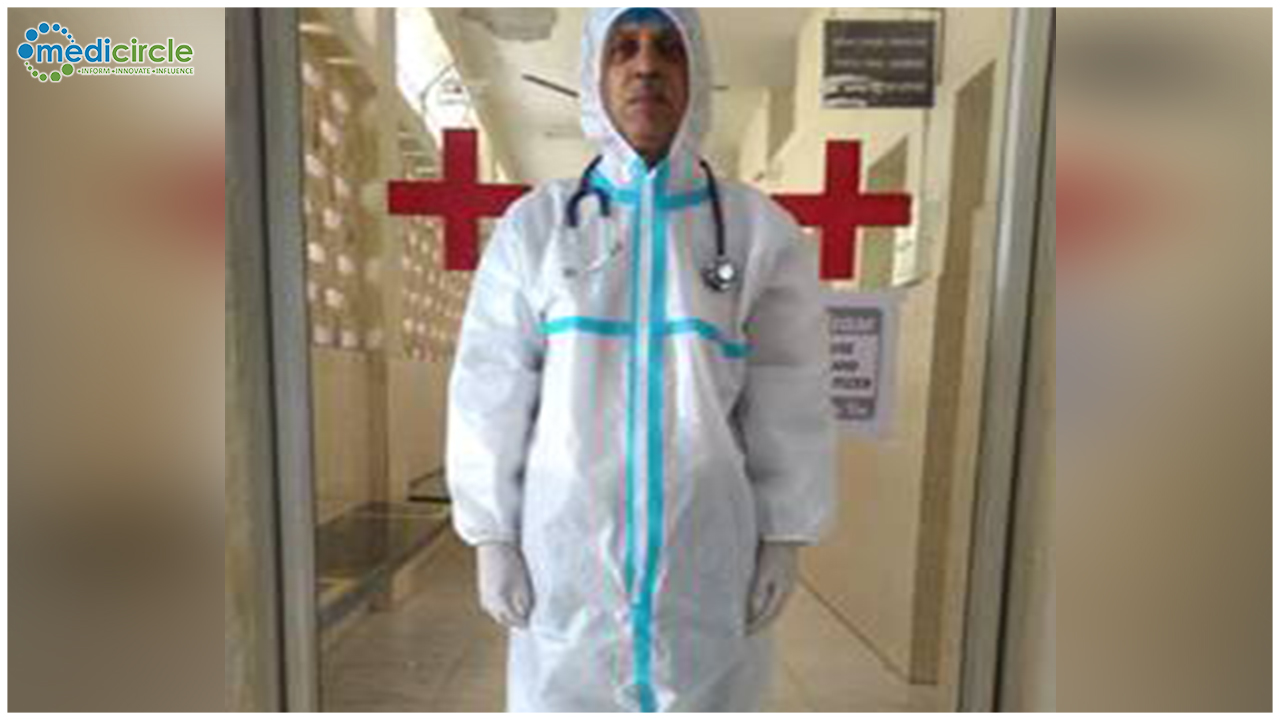
▴ CSIR NAL develop Personal Protective Coverall Suit
CSIR-NAL team lead by Dr. Harish C Barshilia, Dr. Hemant Kumar Shukla, and Mr. M J Viju of MAF have worked quickly to find the solution to the problem by identifying suitable indigenous materials and innovative manufacturing processes.


CSIR constituent Lab in Bengaluru, CSIR-National Aerospace Laboratories (CSIR-NAL), along with MAF Clothing Pvt. Ltd., Bengaluru has developed and certified the overall protective coverall suit. The polyproplylene spun laminated multi-layered non-woven fabric based coverall can be used to ensure the safety of Doctors, Nurses, Paramedical staff and Health Care workers working round the clock on COVID-19 mitigation.

CSIR-NAL team lead by Dr. Harish C Barshilia, Dr. Hemant Kumar Shukla, and Mr. M J Viju of MAF have worked quickly to find the solution to the problem by identifying suitable indigenous materials and innovative manufacturing processes.

The Coveralls have gone through stringent testing at SITRA, Coimbatore and have been qualified for use. CSIR-NAL and MAF have plans to augment the production capacity to about 30,000 units per day within four weeks’ time.

Shri Jitendra J Jadhav, Director, CSIR-NAL has stated that the major advantages of these Coveralls are that they are highly competitive in price as compared to other manufacturers and the import content is negligible. He appreciated the efforts of NAL, MAF Clothing Pvt Ltd and SITRA team who have worked round the clock for this national cause by accelerating the development and certification process.


Tags : #CSIR #Nal #PPE #Dr #Harish #C #Barshilia #Dr #Hemant #Kumar #Shukla #Mr #M #J #Viju #MAF

About the Author


Team Medicircle

Related Stories

Loading Please wait...

-Advertisements-


Trending Now

Digital Identity Fraud in Healthcare: What India Must KnowNovember 18, 2026
Wearables in Clinical Care: When Should Doctors Trust the Data?November 18, 2026
Cybersecurity for Medical Startups: What Founders MissNovember 18, 2026
Remote Patient Monitoring: The Next Phase of Virtual CareNovember 18, 2026
Digital Health Wallets: Future of Medical Records in IndiaNovember 17, 2026
How Hospitals Can Prepare for a Transparent Healthcare MarketNovember 17, 2026
Childhood Nutrition: Understanding Micronutrient Gaps Beyond CaloriesNovember 16, 2026
Anaemia in Adolescent Girls: Connecting Prevention, Testing and Nutrition SupportNovember 16, 2026
Health Information Exchanges in India: Are Medical Records Finally Going Portable?November 16, 2026
Hospital Accreditation in 2026: What Is Changing Beyond the Checklist?November 16, 2026
Digital Insurance Platforms and India's Health Coverage FutureNovember 14, 2026
ABDM 2.0: India's Digital Health Ecosystem FutureNovember 14, 2026
Vaccine Cold-Chain Management: Protecting Immunisation Quality From Storage to DeliveryNovember 14, 2026
Foodborne Illness Surveillance: How Public Health Systems Track RisksNovember 14, 2026
Interoperability in Indian Healthcare: Why Patient Data Still StrugglesNovember 13, 2026
Tuberculosis Contact Screening: How Preventive Care Works Around ExposureNovember 13, 2026
COPD Care in India: Linking Diagnosis, Inhaler Education and Follow-UpNovember 13, 2026
Management of ANCA Glomerulonephritis: Induction & Maintenance ProtocolsNovember 12, 2026
Smart Hospital Command Centres Transforming IndiaNovember 12, 2026
Gamma Knife Surgery in India: What You Need to KnowNovember 12, 2026