 Tuesday, October 27, 2026
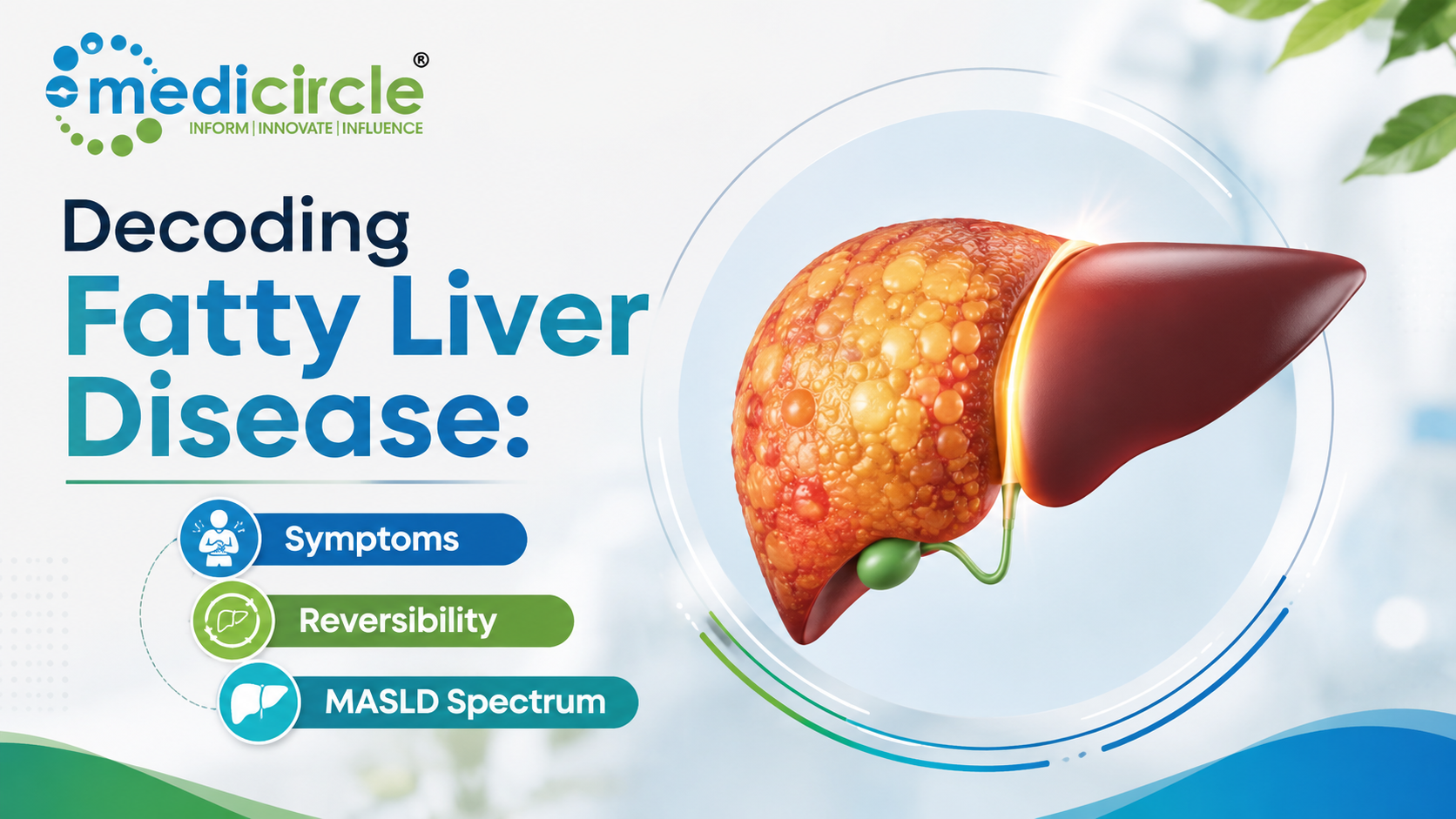
 The understanding of liver disease has evolved significantly, with excess fat accumulation in the liver now emerging as the most common liver disorder worldwide, even among individuals who consume little or no alcohol. This metabolic-driven condition highlights the growing impact of lifestyle and metabolic health on liver function and long-term disease risk.




For decades, liver disease was considered a condition tied almost exclusively to chronic alcohol overuse. However, a quiet metabolic epidemic has rewritten clinical realities. Today, the most common liver disorder across the globe is an accumulation of excess fat deposits inside the hepatic tissue of individuals who consume little to no alcohol.
Historically known as Non-Alcoholic Fatty Liver Disease (NAFLD), the global scientific community updated the clinical nomenclature to Metabolic Dysfunction-Associated Steatotic Liver Disease (MASLD). This shift highlights that the disease is not simply an isolated liver issue, but rather the hepatic manifestation of metabolic syndrome, insulin resistance, and visceral obesity.
MASLD impacts roughly 25% to 30% of the global adult population. Despite its massive prevalence, it remains widely misunderstood. The condition operates as a silent progressor, quietly advancing through cellular inflammation and tissue scarring for decades without causing significant distress. Understanding this complex metabolic spectrum, identifying subtle systemic warnings, and deploying early lifestyle interventions are vital steps to unlock hepatic reversibility before permanent structural damage takes hold.
1. The MASLD/NAFLD Spectrum: Tracking Hepatic Decay
The progression of fatty liver disease is not a static event. It operates along a continuous, multi-stage spectrum where benign fat storage gradually transforms into severe, irreversible structural failure.
[ THE LIVER PROGRESSION TIMELINE ]
Stage 1: Simple Steatosis (MASLD) ──► Excess fat drops accumulate inside hepatocytes safely.
Stage 2: Active Inflammation (MASH) ──► Lipotoxicity triggers cellular stress and white blood cell infiltration.
Stage 3: Fibrosis Accumulation ──► Chronic wounding deposits collagen, creating stiff scar tissue bands.
Stage 4: Overt Cirrhosis ──► Severe structural distortion; liver architecture collapses.
The baseline of the spectrum begins when the influx of fatty acids into the liver outpaces the organ's capacity to metabolize or export them. This causes triglycerides to collect as large droplets inside more than 5% of individual liver cells (hepatocytes). At this entry-level stage, the condition is largely benign, structurally stable, and highly responsive to targeted lifestyle modifications.
Stage 2: Metabolic Dysfunction-Associated Steatohepatitis (MASH)When hepatic fat accumulation crosses a critical threshold, the liver's storage capacity becomes overwhelmed. The excess lipids undergo oxidation, triggering a toxic cellular reaction known as lipotoxicity. This metabolic stress activates the immune system, causing white blood cells to rush into the liver tissue.
This advanced inflammatory state—formerly called NASH and now updated to Metabolic Dysfunction-Associated Steatohepatitis (MASH)—is a critical turning point. The persistent inflammation damages nearby hepatocytes, causing them to balloon and die, which actively signals the body to begin deploying emergency structural repairs.
Stage 3: Hepatic FibrosisIn response to the chronic cell death driven by MASH, specialized cells in the liver (hepatic stellate cells) go into overdrive, pumping out tough, rope-like bands of collagen. This process is known as fibrosis.
Initially, these scar tissue tracks are thin and isolated, leaving plenty of healthy, functioning liver tissue intact. However, if the underlying inflammatory triggers are not stopped, the scar networks expand steadily, building stiff bridges across the liver's internal architecture and restricting healthy intrahepatic blood circulation.
Stage 4: Cirrhosis and End-Stage Liver FailureCirrhosis represents the final, non-linear milestone of the spectrum. Decades of unmitigated fibrosis completely distort the liver’s smooth, vascular architecture, turning the organ into a stiff, nodular mass of scar tissue.
At this advanced juncture, the liver can no longer filter toxins effectively, synthesize critical clotting proteins, or handle standard portal blood pressures. This structural collapse drives severe complications, including ascites (fluid accumulation in the abdomen), hepatic encephalopathy (toxin-induced cognitive confusion), and a sharply elevated risk of developing hepatocellular carcinoma (primary liver cancer).
2. The Silent Warnings: Spotting Subtle Symptoms Early
The most dangerous attribute of early-stage fatty liver disease is its complete lack of overt, dramatic warning signs. Because the liver lacks direct pain receptors within its inner tissue layers, it can undergo extensive fat loading and moderate inflammation without triggering acute pain. The majority of individuals with MASLD live for decades completely unaware of their condition, which is often discovered incidentally during routine abdominal ultrasounds or general blood checks.
When symptoms finally manifest during the MASH or early fibrosis stages, they are characteristically subtle, non-specific, and frequently mistaken for general fatigue or age-related slowing:
- Persistent Right Upper Quadrant Discomfort: While the liver cannot feel pain internally, significant fat accumulation causes the organ to swell physically. This enlargement stretches the liver's outer protective membrane (Glisson's capsule), which is rich in nerve endings. Patients describe this as a dull, heavy ache or a continuous fullness located just under the right ribcage.
- Profound, Unexplained Fatigue: Chronic hepatic inflammation disrupts the liver's foundational metabolic pathways, including glycogen storage, energy distribution, and systemic toxin filtering. This systemic strain causes a deep, persistent physical exhaustion that cannot be resolved by extra rest or sleep.
- Systemic Insulin Resistance Signatures: Because the liver is a primary regulator of glucose, hepatic fat loading directly disrupts insulin signaling. Patients often present with metabolic red flags outside the liver, such as acanthosis nigricans (darkened, velvety skin patches around the neck or underarms) and a rapid increase in stubborn visceral belly fat.
Once the disease crosses into advanced cirrhosis, the symptoms shift from subtle warnings to acute, visible medical emergencies. These advanced indicators include jaundice (a yellowing of the skin and eyes caused by backup bilirubin), spider angiomas (web-like clusters of dilated blood vessels on the chest and face), severe bruising from a lack of clotting factors, and dark, tarry stools indicating internal gastrointestinal bleeding.
3. Reversibility: The Evidence-Based Pathway to Hepatic Healing
The most encouraging clinical reality of fatty liver disease is that the liver possesses an extraordinary, unique capacity for regeneration. Simple steatosis (MASLD) and active cellular inflammation (MASH) are completely reversible. Even early-to-moderate stages of hepatic fibrosis can be halted and gradually reabsorbed by the body if you remove the underlying metabolic stress.
However, achieving true hepatic reversal requires a dedicated strategy focused on systemic metabolic health rather than looking for a quick-fix medication.
[ THE REVERSAL EQUATION ]
TARGET METRIC LIVER HEALTH OUTCOME
┌─────────────────────────┐ ┌──────────────────────────┐
│ Reduce Body Weight 5% │ ─────►│ Clears Simple Steatosis │
│ Reduce Body Weight 7-10%│ ─────►│ Resolves MASH Inflammation│
│ Continuous Zone 2 Cardio│ ─────►│ Drops Visceral Fat Stores│
└─────────────────────────┘ └──────────────────────────┘
Clinical trials consistently demonstrate that structured, sustainable weight reduction is the single most effective tool for clearing liver fat.
- The Clinical Threshold: Achieving a 5% reduction in total body weight is often sufficient to clear simple fat accumulation (steatosis).
- The Advanced Goal: Securing a 7% to 10% reduction in total body weight goes much deeper, actively resolving MASH-related inflammation, halting cell ballooning, and allowing the body to begin dissolving early collagen scar tissue.
Reversing a fatty liver does not require extreme, dangerous calorie deprivation. Instead, it relies on shifting away from ultra-processed, high-glycemic foods that drive hepatic lipogenesis (fat creation).
- The Primary Culprit: Eliminate industrial high-fructose corn syrup and refined sugars. Fructose is uniquely damaging because the liver is the only organ that can process it. When flooded with large amounts of fructose, the liver converts it directly into liver fat through a process called de novo lipogenesis.
- The Solution: Adopt a clean, Mediterranean-style dietary layout. Prioritize extra virgin olive oil (rich in anti-inflammatory monounsaturated fats), wild-caught omega-3 fish, antioxidant-dense green vegetables, and fiber-rich legumes. This nutritional approach reduces oxidative stress and improves peripheral insulin sensitivity.
Physical movement functions as a direct engine to deplete hepatic lipid stores. Combining progressive resistance weight training with low-intensity steady-state cardiovascular exercise (such as Zone 2 training for 150 minutes per week) forces skeletal muscle to pull fatty acids out of circulation for fuel, bypassing liver accumulation.
Additionally, implementing structured intermittent fasting windows (like a 16:8 schedule) allows circulating insulin levels to drop to a healthy baseline, turning off the molecular switches that drive fat storage and initiating autophagy (the body's natural cellular clean-up process).
Comprehensive Matrix: Staging Fatty Liver Disease
The table below organizes the distinct phases of the fatty liver disease spectrum, contrasting structural tissue changes with their clinical reversibility potential.
|
Disease Spectrum Phase |
Core Cellular Activity |
Typical Diagnostic Findings |
Reversibility Potential |
|---|---|---|---|
|
Simple Steatosis (MASLD) |
Triglyceride droplets accumulate in >5% of hepatocytes; zero active cellular scarring. |
Elevated liver enzymes (ALT/AST), bright echogenic signature on an ultrasound. |
100% Reversible; highly responsive to basic nutritional adjustments and modest weight loss. |
|
Steatohepatitis (MASH) |
Lipotoxicity triggers active cell ballooning, inflammation, and immune cell invasion. |
Elevated inflammatory biomarkers, distinct tissue signatures on an MRI-PDFF scan. |
Fully Reversible; requires an intensive 7% to 10% body weight loss and elimination of refined sugars. |
|
Hepatic Fibrosis |
Stellate cells deposit thick tracks of collagen scar tissue across vascular pathways. |
Stiff tissue measurements on a transient elastography (FibroScan) assessment. |
Partially Reversible; progressive scarring can be halted and slowly remodeled over years of metabolic care. |
|
Overt Cirrhosis |
Stiff nodular scarring distorts the entire liver framework; vascular portal flow collapses. |
Low blood platelets, prolonged clotting times, visible structural shrinkage on CT scans. |
Generally Irreversible; management shifts to preventing critical complications or tracking for a transplant. |
Actionable Strategy: Your Hepatic Protection Protocol
- Request a Transient Elastography (FibroScan) Assessment: Do not rely solely on standard blood checks to verify your liver safety. Standard liver enzymes (ALT and AST) can present as completely normal even during advanced stages of MASH and fibrosis. Request a non-invasive FibroScan to measure the exact stiffness and fat percentage of your liver tissue.
- Eliminate Liquid Sugars Immediately: Audit your dietary intake and remove all sodas, packaged juices, sweetened coffee drinks, and commercial condiments containing high-fructose corn syrup to instantly reduce the liver's fat-building workload.
- Cultivate Lean Muscle Mass: Lean muscle tissue acts as your body's primary storage sink for excess glucose. Incorporating strength training exercises twice a week improves your systemic insulin sensitivity, helping to pull fatty acids away from your internal organs.
Frequently Asked Questions (FAQs)
Q1. Why is fatty liver disease called a "silent" condition?Fatty liver disease is considered a silent condition because the liver tissue lacks direct pain receptors. The organ can accumulate massive fat deposits and undergo active inflammatory decay for decades without causing sharp pain or noticeable distress. Most people discover they have the condition incidentally during routine medical scans for entirely unrelated symptoms.
Q2. What is the fundamental difference between MASLD and MASH?MASLD (Metabolic Dysfunction-Associated Steatotic Liver Disease) is the broad umbrella term for the early phase of the spectrum, where excess fat drops accumulate safely inside liver cells without causing structural tissue damage. MASH (Metabolic Dysfunction-Associated Steatohepatitis) is the advanced, dangerous turning point where that fat triggers active cell inflammation, hepatocyte ballooning, and cellular death.
Q3. Can standard liver enzyme blood tests completely miss advanced fatty liver disease?Yes, absolutely. This is a critical diagnostic gap that trips up many freshers and patients. Multiple clinical trials demonstrate that standard liver enzyme tests (such as ALT and AST) can remain well within the normal laboratory reference range even while active MASH inflammation and progressive tissue fibrosis are quietly advancing behind the scenes.
Q4. Why is industrial fructose uniquely toxic to human liver tissue?Unlike glucose, which can be safely broken down and utilized for energy by every single cell throughout your body, industrial fructose can only be processed by the liver. When you consume large amounts of fructose through sodas or processed sweets, the liver is flooded with sugar. Lacking the capacity to store it, the organ converts that fructose directly into fat through a pathway called de novo lipogenesis.
Q5. What exactly does a FibroScan evaluate, and how does it help patients?A FibroScan (transient elastography) is a quick, non-invasive, ultrasound-based diagnostic tool. It sends a painless low-frequency shockwave through your right ribcage into your liver, measuring the exact speed at which the wave travels. Stiffer liver tissue (indicating scar tissue and fibrosis) causes the wave to travel faster, providing a precise, numeric score of your liver health without requiring an invasive needle biopsy.
Q6. How long does it take to reverse early-stage MASLD through lifestyle modifications?The liver possesses an extraordinary capacity for rapid cellular regeneration. If you commit to a structured metabolic lifestyle change—such as eliminating refined sugars, maintaining consistent physical activity, and achieving modest weight loss—significant fat accumulation can begin clearing from your liver cells within 4 to 6 weeks, with full baseline health restorable within a few months.
Q7. Is a low-fat diet the most effective way to clear a fatty liver?No, this is a common nutritional misconception. Developing a fatty liver is primarily driven by consuming an excess of refined carbohydrates and simple sugars, which spike insulin levels and force the body to manufacture fat inside the liver. Shifting toward a Mediterranean-style nutritional plan rich in healthy monounsaturated fats (like avocado and extra virgin olive oil) while drastically lowering refined starches is significantly more effective.
Q8. What are skin tags and acanthosis nigricans, and how do they relate to liver health?Skin tags and acanthosis nigricans (darkened, velvety skin patches located around the neck or underarms) are visible physical warning signs of severe insulin resistance. Because insulin resistance is the primary driver that pushes excess free fatty acids out of adipose tissue into liver storage, these dermatological markers serve as an early upstream warning that your liver is under significant metabolic strain.
Q9. Are lean or normal-weight individuals completely safe from developing MASLD?No. This condition is known clinically as "Lean MASLD." Even if a person's body mass index (BMI) appears completely normal or thin from the outside, they can still accumulate dangerous fat deposits inside their internal organs due to genetic factors, poor dietary choices, or a lack of lean muscle mass. Lean MASLD is an aggressive variant that requires careful metabolic tracking.
Q10. Can advanced liver fibrosis be completely reversed?While early-stage simple steatosis and active MASH inflammation are 100% reversible, advanced structural fibrosis exists in a partial transition zone. If you eliminate the metabolic triggers completely, the liver can halt further scar production and slowly break down and reabsorb early collagen bands over several years. However, once fibrosis crosses into advanced, nodular cirrhosis, the structural damage becomes permanent, and care shifts to protecting remaining function.
The understanding of liver disease has evolved significantly, with excess fat accumulation in the liver now emerging as the most common liver disorder worldwide, even among individuals who consume little or no alcohol. This metabolic-driven condition highlights the growing impact of lifestyle and metabolic health on liver function and long-term disease risk.





-23-300x250.png)

.jpeg)








.jpg)
.jpg)
.jpg)
.jpg)
.jpg)
.jpg)
.jpg)
.jpg)
.jpg)

