Friday, October 23, 2026
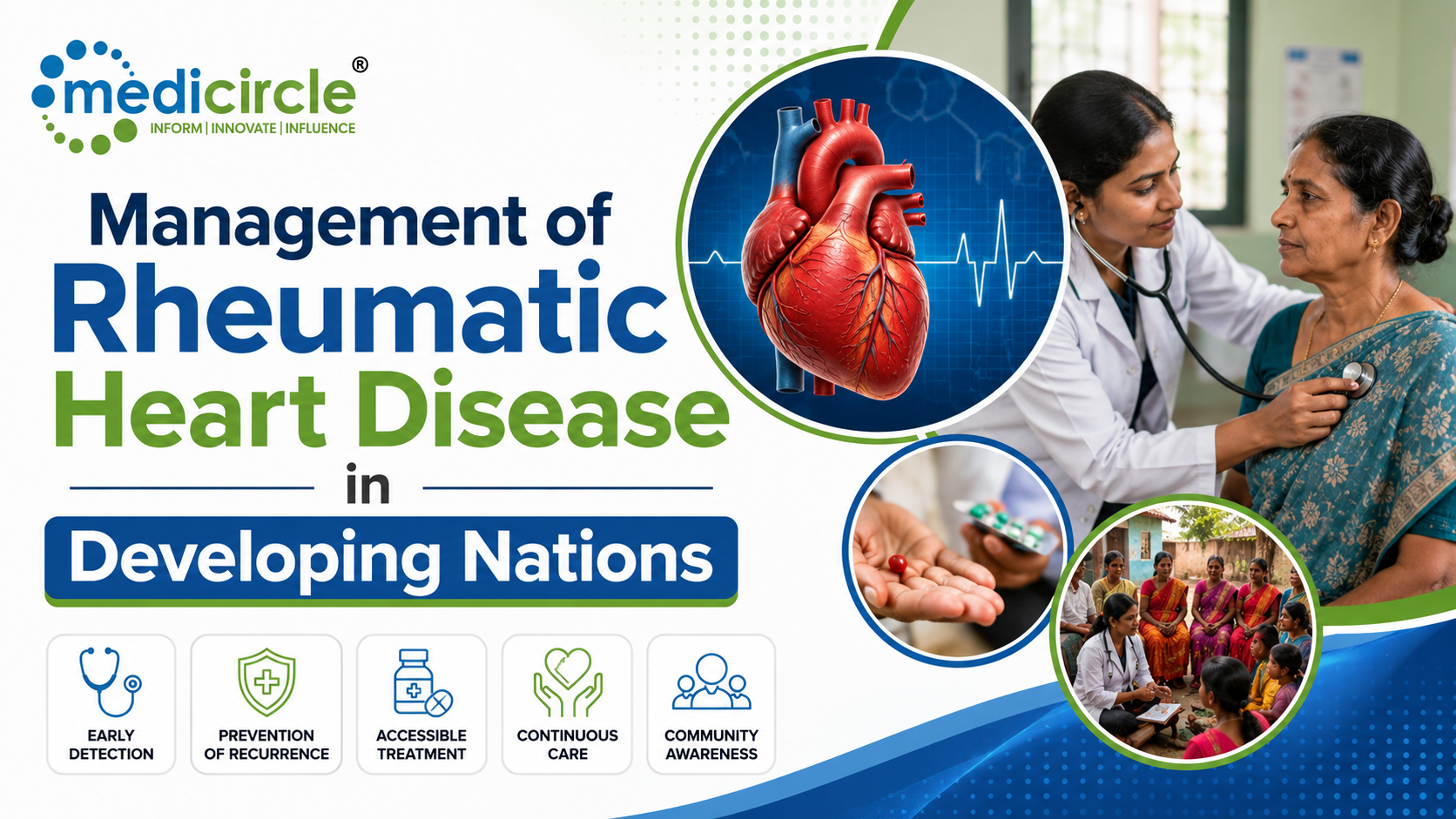
 Rheumatic Heart Disease (RHD) is a major public health challenge in low- and middle-income countries. Recurrent Group A Streptococcal throat infections can trigger acute rheumatic fever, causing progressive heart valve damage, including mitral stenosis, mitral regurgitation, and aortic valve disease.




Rheumatic Heart Disease (RHD) remains a persistent, devastating public health challenge across low- and middle-income countries (LMICs). Triggered by an autoimmune reaction to recurrent Streptococcus pyogenes (Group A Streptococcus) pharyngitis, acute rheumatic fever (ARF) causes progressive cumulative damage to cardiac valves—most commonly leading to mitral stenosis, mitral regurgitation, and aortic valve insufficiency. While virtually eradicated in high-income countries due to improved living standards and prompt antibiotic treatment, RHD continues to cause significant morbidity, heart failure, stroke, and premature mortality among children and young adults in developing regions.
Managing RHD in resource-constrained environments requires a dual approach: robust primary and secondary prevention strategies to halt disease progression, alongside timely, cost-effective percutaneous and surgical valve interventions. This comprehensive guide reviews current clinical strategies, global health frameworks, and practical solutions for managing RHD in developing nations.
1. The Global Burden and Pathophysiology of RHD
Understanding the impact of RHD in developing countries requires examining the social and biological factors that drive transmission:
- Environmental Determinants: Household overcrowding, poor sanitation, poverty, and limited access to primary healthcare accelerate the spread of Group A Streptococcal pharyngitis among school-aged children.
- Molecular Mimicry: Repeated, untreated streptococcal throat infections trigger an autoimmune response where anti-streptococcal antibodies and T-cells cross-react with cardiac tissue antigens (specifically structural proteins in heart valves).
- Valvular Damage Trajectory: Initial episodes of acute rheumatic fever cause active valvulitis. Over years or decades, recurrent immune-mediated inflammation leads to chronic fibrotic scarring, chordal shortening, leaflet thickening, and pathological calcification.
- The Mitral Predominance: The mitral valve is affected in over 90% of chronic RHD cases, followed closely by concurrent aortic valve involvement. Isolated tricuspid or pulmonary valve lesions are exceedingly rare.
2. Secondary Prophylaxis: The Cornerstone of RHD Control
Secondary prophylaxis—the continuous administration of antibiotics to patients with a documented history of ARF or established RHD—remains the most cost-effective intervention available to prevent recurrent streptococcal infections and halt worsening valvular damage.
Standard Antibiotic Regimens
- Intramuscular Benzathine Penicillin G (BPG): The global gold standard regimen. Administered deep intramuscularly every 3 to 4 weeks (1.2 million units for individuals weighing 30 kg or more; 600,000 units for children under 30 kg). A 3-weekly regimen is strongly recommended in high-risk, highly endemic regions.
- Oral Penicillin V: Administered as 250 mg twice daily. Serves as an alternative for patients who refuse or cannot tolerate repeated intramuscular injections, though compliance rates are significantly lower due to daily dosing requirements.
- Oral Erythromycin or Azithromycin: Reserved strictly for individuals with documented, severe penicillin allergies (e.g., history of anaphylaxis).
Duration of Prophylaxis
- ARF without Carditis: Administer prophylaxis for a minimum of 5 years after the last ARF episode, or until 21 years of age (whichever is longer).
- ARF with Carditis (Mild to Moderate RHD): Administer prophylaxis for 10 years after the last episode, or until 21 to 25 years of age (whichever is longer).
- Severe RHD or Post-Valve Surgery: Continue secondary prophylaxis for life, or at least until 40 years of age in select lower-risk post-surgical scenarios.
Overcoming Implementation Barriers in Developing Nations
Despite its affordability, secondary prophylaxis programs in LMICs face operational challenges:
- BPG Supply Chain Inconsistencies: Global shortages, variable drug quality, and unreliable cold-chain distribution lead to widespread stockouts in rural health posts.
- Injection Pain and Fear of Anaphylaxis: Patient apprehension regarding painful injections and exaggerated fears of fatal anaphylaxis among healthcare workers result in unnecessary antibiotic withholding.
- Register-Based Tracking: Establishing centralized, electronic RHD patient registries helps community health workers track missed BPG doses, send automated reminders, and conduct targeted home visits.
3. Medical Management of Chronic RHD Complications
Before or alongside mechanical valve interventions, optimized medical therapy is essential for controlling symptoms and preventing acute complications:
- Heart Failure Symptom Control: Loop diuretics (such as furosemide) and spironolactone reduce pulmonary congestion in patients with severe regurgitation or advanced stenosis. Beta-blockers and digoxin help regulate ventricular rates during physical exertion.
- Atrial Fibrillation and Anticoagulation: Atrial fibrillation is a frequent complication of chronic mitral valve disease due to left atrial dilation. Because non-vitamin K antagonist oral anticoagulants (NOACs/DOACs) are not approved or clinically proven for moderate-to-severe rheumatic mitral stenosis, Vitamin K Antagonists (Warfarin) remain the mandatory standard. Target INR ranges must be maintained between 2.0 and 3.0.
- Endocarditis Prophylaxis: While routine antibiotic prophylaxis prior to dental procedures is no longer universally advised in low-risk cardiac lesions, international guidelines continue to recommend pre-procedure antibiotics for high-risk RHD patients, particularly those with prosthetic valves or a history of infective endocarditis.
4. Valve Interventions in Resource-Constrained Settings
When mechanical valvular distortion causes hemodynamically significant stenosis or regurgitation, medical management alone is insufficient. Timely invasive procedures are critical to prevent irreversible heart failure and pulmonary hypertension.
A. Percutaneous Transvenous Mitral Commissurotomy (PTMC)
Also known as Balloon Mitral Valvuloplasty (BMV), PTMC is the intervention of choice for severe, symptomatic, isolated rheumatic mitral stenosis with favorable leaflet anatomy.
- Clinical Advantages: PTMC is a minimally invasive, catheter-based procedure performed under local anesthesia. It avoids open-heart surgery, eliminates the need for cardiopulmonary bypass, requires shorter hospital stays, and yields significant immediate increases in mitral valve area.
- Patient Selection (Wilkins Echocardiographic Score): Candidates are evaluated on leaflet mobility, thickening, calcification, and subvalvular thickening (Wilkins score under 8 is ideal). The absence of left atrial thrombus and significant mitral regurgitation must be confirmed via transesophageal echocardiography prior to inflation.
- Cost Efficiency for Developing Nations: A single cardiac catheterization lab can perform multiple PTMC procedures daily at a fraction of the cost of open-heart surgery, making it an essential intervention for public health systems in LMICs.
B. Surgical Valve Interventions: Repair vs. Replacement
When valvular destruction is too advanced for percutaneous intervention, open surgical correction becomes necessary.
- Surgical Valve Repair: Preserving the native valve through commissurotomy, chordal shortening, or annuloplasty is preferred over replacement—particularly in young pediatric patients. Repair avoids lifelong anticoagulation risks and preserves native left ventricular geometry. However, high recurrence rates of active rheumatic inflammation in young patients can limit repair longevity.
- Mechanical Valve Replacement: Offers exceptional structural durability (lasting decades without tissue degeneration), making it appealing for young patients. However, mechanical valves demand strict, lifelong adherence to Warfarin anticoagulation with frequent INR monitoring—a significant hurdle in rural communities with limited diagnostic access.
- Bioprosthetic (Tissue) Valve Replacement: Eliminates the requirement for long-term Warfarin therapy, reducing bleeding risks. However, tissue valves undergo accelerated structural valve degeneration (SVD) in young patients, often failing within 5 to 10 years and requiring high-risk redo surgery.
5. Public Health Models and System-Level Strategies
Scaling up RHD care across developing nations requires coordinated policy frameworks that integrate primary prevention with specialized surgical capacity:
- Task-Shifting and Decentralized Screening: Training primary care nurses and non-physician clinicians to perform focused cardiac ultrasound (FCU) using handheld echocardiography devices enables early, asymptomatic RHD detection in school children.
- Humanitarian Surgical Missions and Regional Centers of Excellence: Establishing specialized regional heart centers creates sustainable local surgical capacity, reducing reliance on temporary visiting surgical teams from high-income nations.
- Integrating Prevention into Primary Healthcare: Combining RHD secondary prophylaxis programs with existing maternal-child health and maternal immunization infrastructure improves penicillin coverage and reduces administrative overhead.
10 Frequently Asked Questions (FAQs)
Q1. Why is Rheumatic Heart Disease more prevalent in developing nations than in developed countries?
RHD thrives in developing nations due to socioeconomic factors like household overcrowding, poor sanitation, limited health literacy, and restricted access to primary antibiotics for sore throats, allowing Group A Streptococcal infections to go untreated.
Q2. What is the difference between primary and secondary RHD prophylaxis?
Primary prophylaxis involves treating an initial Group A Streptococcal sore throat with oral or injectable penicillin to prevent a first attack of Acute Rheumatic Fever (ARF). Secondary prophylaxis involves regular antibiotic injections to prevent recurrent streptococcal infections in individuals who have already had ARF or have established RHD.
Q3. Why is Benzathine Penicillin G (BPG) administered every 3 to 4 weeks?
BPG is a long-acting depot form of penicillin. Following a deep intramuscular injection, it releases bactericidal levels of penicillin into the bloodstream over several weeks, providing continuous protection against streptococcal infections.
Q4. Which heart valve is most commonly damaged by Rheumatic Heart Disease?
The mitral valve is affected in over 90% of chronic RHD cases, presenting as mitral regurgitation in children and young adults, or progressing to severe mitral stenosis later in life.
Q5. What is Percutaneous Transvenous Mitral Commissurotomy (PTMC)?
PTMC (or Balloon Mitral Valvuloplasty) is a minimally invasive catheter procedure where a balloon catheter is guided to the heart and inflated across a fused, narrowed mitral valve to stretch open the commissures and restore blood flow.
Q6. Why is Warfarin preferred over newer oral anticoagulants (DOACs) in rheumatic mitral stenosis?
Clinical trials demonstrate that direct oral anticoagulants (DOACs) are inferior to Warfarin in preventing thromboembolic events and stroke in patients with moderate-to-severe rheumatic mitral stenosis, making Warfarin the mandatory standard of care.
Q7. What are the main challenges of mechanical valve replacement in rural developing areas?
Mechanical valves require strict, lifelong Warfarin therapy and regular blood tests (INR monitoring) to prevent clotting or bleeding complications. In rural areas, limited access to diagnostic laboratories and irregular medication supplies increase the risk of adverse events.
Q8. How does echocardiography help manage RHD early?
Echocardiography can detect subclinical RHD—subtle valvular regurgitation or leaflet thickening—in children before physical symptoms or cardiac murmurs appear, allowing for early initiation of secondary prophylaxis to prevent further damage.
Q9. Are tissue (bioprosthetic) valves recommended for young RHD patients in developing countries?
While tissue valves eliminate the need for lifelong Warfarin, they undergo rapid calcification and structural breakdown in young patients, often requiring repeat open-heart surgery within 5 to 10 years. Valve selection requires careful balance between local anticoagulation monitoring feasibility and surgical risks.
Q10. Can Rheumatic Heart Disease be completely cured with medication?
Existing valvular scarring and structural tissue deformation from chronic RHD cannot be reversed with antibiotics or medical therapy alone. Medications manage heart failure symptoms and prevent further damage, but severe mechanical valvular lesions require interventional or surgical correction.
6. Conclusion: Closing the Care Gap in Global Heart Health
Managing Rheumatic Heart Disease in developing nations requires a comprehensive strategy bridging basic public health interventions and advanced cardiovascular surgery. While secondary antibiotic prophylaxis remains the most affordable method to stop disease progression, scaling up catheter-based interventions like PTMC and improving access to safe, affordable valve surgery are essential for saving lives.
By strengthening primary healthcare infrastructure, expanding register-based prophylaxis programs, adopting task-shifted echocardiographic screening, and building regional surgical capacity, global health authorities and developing nations can work together to eliminate RHD as a threat to young populations worldwide.





-23-300x250.png)

.jpeg)


.jpg)
.jpg)
.jpg)
.jpg)
.jpg)
.jpg)
.jpg)
.jpg)
.jpg)