 Saturday, November 21, 2026
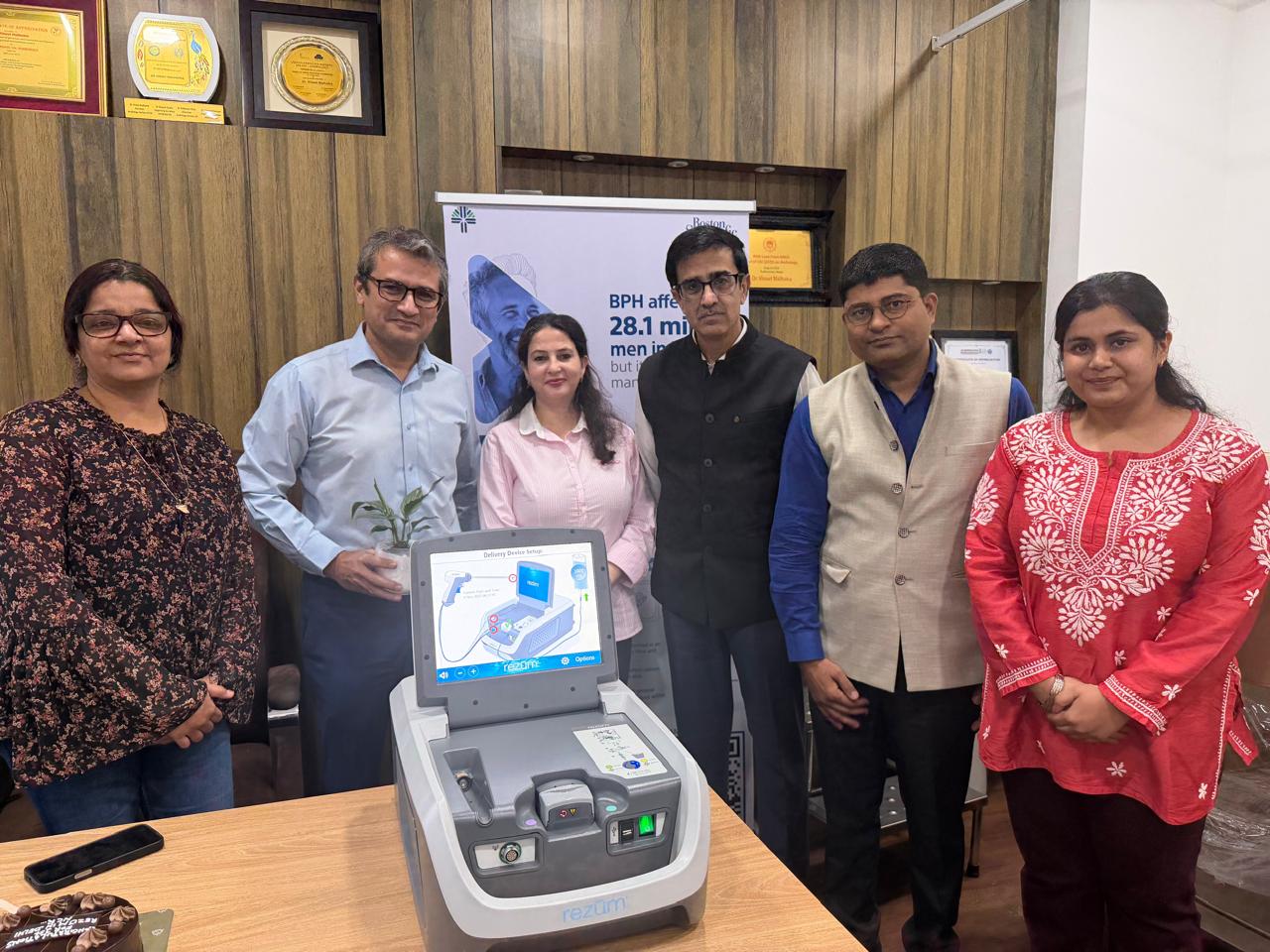
 Amidst increasing cases of Benign Prostatic Hyperplasia (BPH) in Indian men, a hospital in Delhi has introduced REZUM – a minimally invasive technology for the treatment of Benign Prostatic Hyperplasia (BPH). This is the first introduction of the REZUM technology in Delhi-NCR region.





Amidst increasing cases of Benign Prostatic Hyperplasia (BPH) in Indian men, a hospital in Delhi has introduced REZUM – a minimally invasive technology for the treatment of Benign Prostatic Hyperplasia (BPH). This is the first introduction of the REZUM technology in Delhi-NCR region.
"The international approved REZUM therapy employs thermal water vapor energy to perform safe and effective prostate tissue reduction," according to Dr Vineet Malhotra who leads urology services at VNA Hospital. The procedure enables patients to receive fast outpatient care that provides better results than traditional surgery methods with reduced recovery time and minimal side effects that impact sexual or urinary functions. Dr Malhotra explained.
The treatment is currently available in three locations across India which include Chandigarh and Lucknow in north India and Bengaluru in south India. The medical treatment entered the Indian market during the previous year.
The introduction of REZUM technology represents a major advancement in prostate treatment for patients. The treatment method delivers enduring urinary symptom relief through non-invasive procedures which prevent the complications that occur with surgical interventions. Dr. Malhotra said. The treatment works best for patients aged 45 and above who want to maintain their sexual abilities and fertility and also for people who cannot receive anesthesia. The treatment expenses range from Rs 2.5 to 3 lakh, he said.
The procedure delivers multiple advantages because it uses water vapour energy to treat prostate enlargement while providing fast symptom relief, better urinary flow while maintaining sexual function and allowing patients to return to their daily activities quickly, Dr Malhotra said.





-23-300x250.png)




















