Sunday, October 25, 2026
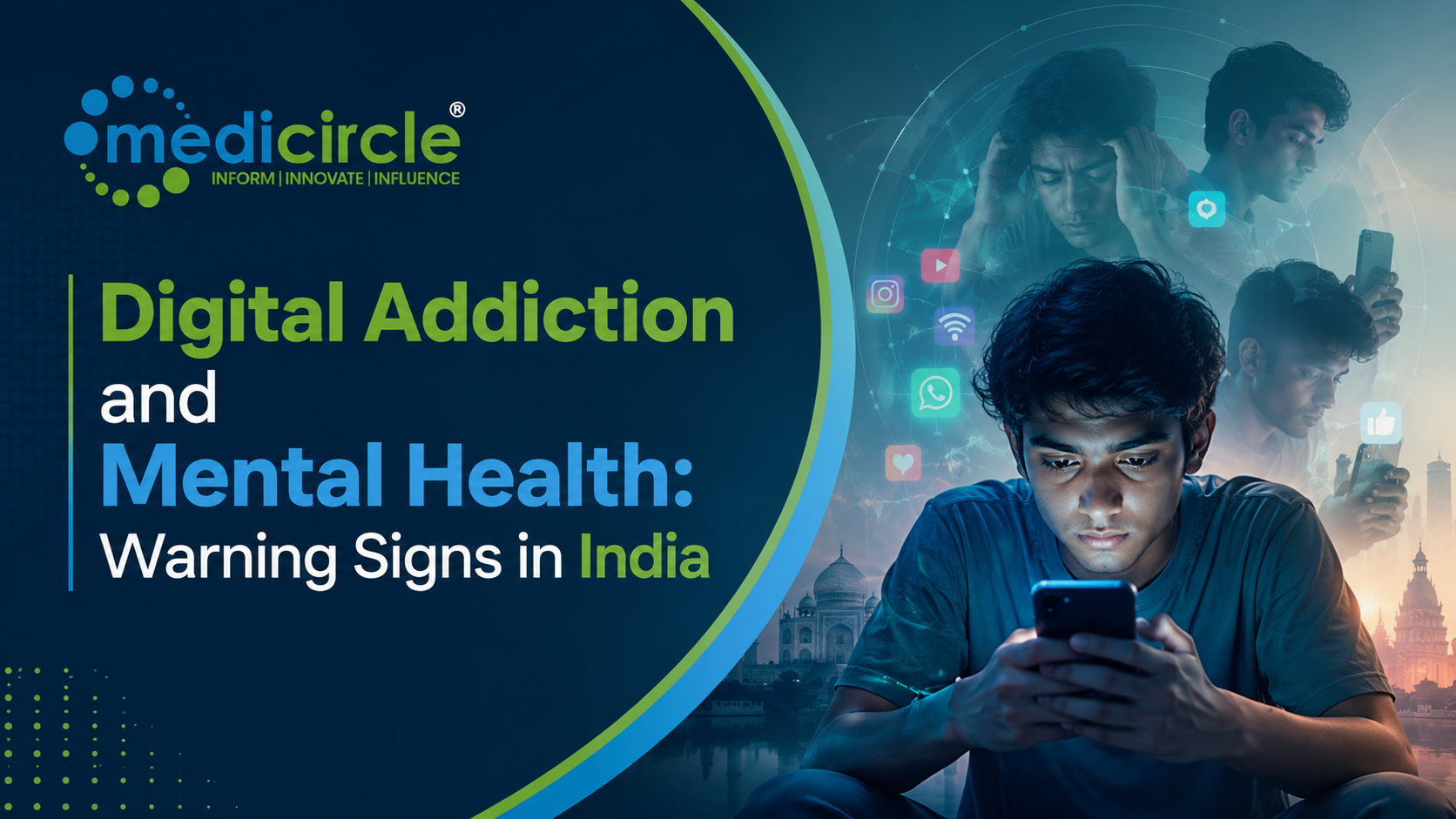
 Digital addiction is a growing public health challenge in India, affecting millions of adolescents and adults. This article outlines key warning signs, mental health consequences, and evidence-based resources available for those seeking help.




Digital Addiction and Mental Health: Warning Signs Adults and Teens Must Not Ignore
Why Digital Addiction Has Become a Defining Health Issue of Our Time
India stands at an extraordinary crossroads. The country’s internet connections grew from 250 million in 2014 to nearly 970 million in 2024, and mobile internet access is now almost universal among young people between the ages of 15 and 29. This digital expansion has unlocked enormous opportunities in education, employment, and communication. Yet the same connectivity that empowers has also given rise to a deeply concerning pattern: compulsive, uncontrolled engagement with digital devices that is quietly undermining the mental health of millions of Indians, both young and adult.
India’s Economic Survey 2025-26, presented to Parliament in January 2026, formally acknowledged digital addiction as a significant and growing public health challenge. The Survey noted that nearly 15 percent of Indian adolescents report symptoms of moderate to severe technology addiction, and that screen time among children aged 12 to 18 has more than doubled in five years, now averaging over six hours daily. These are not abstract numbers. They reflect real distress experienced by real families across the country, from metropolitan cities to smaller towns where smartphones have become the primary gateway to the world.
Understanding digital addiction, recognizing its warning signs, and knowing when to seek help are now essential health literacy skills for every Indian parent, educator, working professional, and healthcare provider.
What Digital Addiction Actually Means
Digital addiction is not simply spending too much time on a phone or laptop. The World Health Organization recognizes gaming disorder as a formal mental health condition under the International Classification of Diseases, defined by impaired control over usage, persistent prioritization of screen-based activities over other responsibilities, and continued use despite clearly negative consequences. Behavioral health experts increasingly apply similar criteria to social media addiction, compulsive video streaming, and excessive internet browsing.
What distinguishes problematic use from ordinary heavy usage is the element of psychological dependence. A person who uses a smartphone frequently for work, learning, or meaningful social connection is not addicted. A person who experiences intense anxiety, irritability, or distress when the device is unavailable, who repeatedly fails to reduce usage despite wanting to, and whose relationships, work, and physical health have suffered as a result, is showing the hallmarks of a behavioral addiction.
Digital platforms are designed with sophisticated algorithms that exploit the brain’s reward systems. Every notification, every like, every new piece of content delivers a small release of dopamine, the neurochemical associated with pleasure and motivation. Over time, the brain recalibrates itself around these repeated stimulations, making it progressively harder to feel satisfied, focused, or calm without digital input. This neurological process is at the heart of why digital addiction feels so difficult to control, and why willpower alone is rarely sufficient to address it.
Warning Signs of Digital Addiction in Teenagers
Behavioral Changes That Parents and Teachers Should Notice
Adolescents are especially vulnerable to digital addiction because their brains are still developing, particularly the prefrontal cortex, which governs impulse control, decision-making, and the ability to delay gratification. This developmental stage makes teenagers more susceptible to the pull of platform algorithms and peer-driven digital culture.
One of the earliest and clearest warning signs is a dramatic shift in mood and behavior when access to devices is restricted. A teenager who becomes disproportionately angry, tearful, or anxious when asked to put down the phone, or who experiences a palpable change in personality without screen access, is demonstrating signs of psychological dependence. This is not ordinary frustration; it mirrors the withdrawal responses seen in other behavioral addictions.
Academic decline is another significant indicator. When a student who previously performed well begins missing homework, failing to concentrate in class, showing no interest in studies, or losing the ability to sustain focus for longer than a few minutes, increased screen time is a frequent underlying cause. Research shared in the Economic Survey noted that adolescents exposed to social media for more than four hours daily are twice as likely to report symptoms of attention difficulties.
Sleep disruption is one of the most physically measurable consequences. Teenagers who use devices late into the night, who hide phones under pillows, or who sleep with screens on accumulate what clinicians now call “sleep debt,” a state of chronic insufficient rest that creates cascading effects on mood, memory, immune function, and academic performance. When a young person consistently wakes up fatigued and cannot function well in the mornings despite spending adequate time in bed, the cause is very often device use after midnight.
Social withdrawal from family and friends in the physical world, combined with an intense investment in online relationships and communities, is another marker. While online friendships can be meaningful, they become a warning sign when a teenager actively avoids face-to-face interaction, loses interest in activities they previously enjoyed, stops attending family meals, and becomes defensive or secretive about their online activities.
Physical Signs That Often Go Unrecognized
Beyond behavior, digital addiction produces tangible physical symptoms. Persistent eye strain, frequent headaches, neck and back pain from sustained poor posture, and complaints of blurry or tired vision are common physical consequences of excessive screen use. Parents who notice these symptoms in their teenagers should consider device use as a primary factor and consult a healthcare professional.
Irregular eating patterns, including skipping meals because of engagement with screens or eating mindlessly while watching content, are also associated with excessive digital use. In some cases, particularly among adolescent girls, digital addiction interacts with social comparison on platforms to contribute to disordered eating and negative body image.
Warning Signs of Digital Addiction in Adults
How Compulsive Digital Use Manifests Differently in Working Professionals
Digital addiction in adults tends to wear a more socially acceptable mask. While a teenager hiding under the blanket with a phone is visibly problematic, an adult compulsively checking work emails at midnight or scrolling social media for hours after the family has gone to sleep may appear simply “hardworking” or “connected.” This normalization makes adult digital addiction particularly difficult to recognize and address.
The most reliable warning signs in adults include an inability to be fully present in conversations, meetings, or family interactions without repeatedly checking a device. When a person physically puts their phone down but finds their attention constantly drifting back to it, or feels a persistent unease until they have checked for new messages or notifications, this compulsive checking behavior reflects a loss of voluntary control.
Workplace productivity, paradoxically, often suffers significantly despite constant device use. Constant digital distractions fragment attention, making it nearly impossible to complete complex tasks that require sustained concentration. Many professionals notice that they spend entire workdays “busy” but finish very little meaningful work. This pattern, combined with the fatigue of constant connectivity, contributes to professional burnout at rates that are climbing steadily across Indian corporate environments.
Relationship strain is among the most painful consequences of adult digital addiction. When a spouse, partner, or child repeatedly expresses feeling ignored, disconnected, or competing with a screen for attention, and when the adult acknowledges the problem but cannot change the behavior, this pattern warrants serious reflection and professional guidance. The inability to be genuinely present during family time, conversations, and intimate moments erodes the quality of personal relationships over time.
The Mental Health Dimension That Adults Often Minimize
Adults experiencing digital addiction frequently report heightened anxiety, particularly when separated from their devices. This anxiety is not imaginary; it reflects a genuine neurological dependency. Many adults also experience symptoms of depression that are intertwined with digital use, cycling between the temporary pleasure of scrolling and the emptiness, restlessness, or dissatisfaction that follows.
Disturbed sleep is as damaging in adults as in teenagers. The habit of checking devices immediately before sleep suppresses melatonin production through blue light exposure and keeps the brain in a state of alertness incompatible with restful sleep. Adults who chronically sleep less than seven hours and cannot fall asleep without a screen present are experiencing a measurable impact on their physical and mental health.
Low self-esteem driven by social comparison is another underappreciated consequence. Social media platforms present curated, idealized portrayals of other people’s lives, careers, relationships, and achievements. Adults who spend significant time on these platforms are at elevated risk of measuring their own life, which includes ordinary struggles, imperfections, and slow progress, against these unrealistic benchmarks. Over time, this sustained comparison erodes confidence and contributes to persistent dissatisfaction.
The Indian Context: Why the Problem Is Escalating Here Specifically
Several features of India’s social and economic landscape have intensified the vulnerability to digital addiction. The rapid and relatively unplanned expansion of affordable mobile data, the enormous penetration of short-video platforms and online gaming in regional languages, and the inadequate integration of digital wellness education into school curricula have all contributed to an environment where compulsive digital use can develop without meaningful barriers.
Gaming disorders and social media addiction are particularly prevalent among young men in urban and peri-urban areas, while compulsive streaming and social comparison-driven anxiety disproportionately affect young women. Cyberbullying, which flourishes on digital platforms, has added an additional dimension of psychological harm, with several documented cases of severe mental health consequences in Indian teenagers following sustained online harassment.
The Economic Survey 2025-26 noted that India currently lacks comprehensive national-level data on the prevalence and severity of digital addiction, which limits the ability to design targeted policy responses. However, the evidence that does exist is compelling. A 34 percent rise in depressive episodes among adolescents has been observed in correlation with higher screen time since 2020, and the SHUT Clinic at the National Institute of Mental Health and Neurosciences in Bengaluru has been providing specialized care for technology-related compulsive behavior in adolescents and young adults, with demand for its services growing steadily.
What India’s Healthcare and Policy Framework Is Doing
India has begun building a systemic response to digital addiction. The Tele-MANAS program, launched in 2022, has received over 32 lakh calls from people seeking mental health support, and while it addresses the broader mental health landscape, it provides an accessible channel for those struggling with technology-related distress. NIMHANS’ SHUT Clinic represents one of the most specialized resources available in India for individuals and families dealing with severe digital addiction.
The Online Gaming (Regulation) Act, 2025, has introduced regulation of wagering-based digital games, which were shown to create financial and psychological harm particularly among younger users. The CBSE has issued guidelines on safe internet use, and the Ministry of Education’s Pragyata framework addresses screen time and online safety within educational settings. Karnataka has launched the Digital Detox Centre, titled Beyond Screens, as a community-level intervention supporting individuals dealing with severe digital dependency.
The Economic Survey recommended extending this framework further, calling for a Digital Wellness Curriculum in schools, the creation of offline youth hubs in urban and rural settings, and systematic data collection on screen time, sleep quality, anxiety levels, and academic performance to inform evidence-based policy.
When to Seek Professional Help and Where to Begin
Recognizing the warning signs is the essential first step, but professional guidance transforms awareness into recovery. Mental health professionals in India, including psychiatrists, clinical psychologists, and trained counselors, are increasingly equipped to assess and treat digital addiction through evidence-based approaches including Cognitive Behavioral Therapy, which helps individuals identify the thought patterns and emotional triggers that drive compulsive device use, and structured behavioral interventions that reestablish healthy digital boundaries.
For teenagers, early intervention is especially important because the developmental window of adolescence shapes lifelong behavioral patterns. Parents who observe multiple warning signs should consult their child’s pediatrician or a mental health professional rather than relying solely on parental controls or device restrictions, which address symptoms without addressing the underlying psychological dynamics.
For adults, acknowledging the problem to oneself and to trusted family members is frequently the most difficult step. The social normalization of constant connectivity means that many adults minimize their own dependence until its impact on health, work, and relationships becomes undeniable. Seeking a consultation with a psychologist or psychiatrist, particularly one with experience in behavioral addictions, is the appropriate course of action when self-directed efforts to change usage patterns have repeatedly failed.
How Medicircle Supports Awareness and Access to Expert Healthcare Information
Medicircle, India’s trusted healthcare media and knowledge platform, plays a meaningful role in bridging the gap between medical expertise and public awareness on topics like digital addiction and mental health. The platform connects patients, families, and healthcare consumers with credible expert voices, including psychiatrists, clinical psychologists, and behavioral health specialists who can help audiences distinguish between healthy digital engagement and concerning patterns.
Through expert interviews, awareness articles, and healthcare brand partnerships, Medicircle provides Indians with the kind of responsible, evidence-based health communication that transforms awareness into informed action. For hospitals and mental health clinics working in the space of behavioral addiction, Medicircle offers a platform to share expertise, build trust, and reach families who need reliable guidance at the earliest possible stage of a problem. For patients and parents navigating these concerns, Medicircle serves as a starting point for finding credible information and connecting with the right healthcare resources.
Conclusion: Recognition Is the Beginning of Recovery
Digital addiction is not a personal failing. It is a behavioral health challenge shaped by powerful technological design, rapid social change, and inadequate awareness. The warning signs discussed in this article, whether mood disruption, sleep disturbance, academic decline, relationship erosion, or the inability to function comfortably without a device, are not character flaws. They are signals that the brain’s relationship with technology has moved beyond healthy engagement into dependency.
India’s young people are the most exposed, but no age group is immune. The good news is that digital addiction, when identified early and addressed with appropriate support, is responsive to treatment. The healthcare tools, professional expertise, and policy frameworks needed to address this challenge are growing. What is needed now is greater awareness, reduced stigma around seeking mental health support, and the willingness to take the first step.
Frequently Asked Questions
What is the difference between heavy digital use and digital addiction?
Heavy digital use refers to spending significant time online for productive or recreational purposes while maintaining control over the behavior. Digital addiction involves a loss of voluntary control, continued use despite negative consequences to health, relationships, or responsibilities, and psychological distress when access is restricted. The key distinction is not the amount of time spent but the presence of compulsive behavior and functional impairment.
At what age are teenagers most vulnerable to digital addiction in India?
Adolescents between 12 and 18 years of age represent the highest-risk group, as this period coincides with significant brain development, heightened peer sensitivity, and the onset of independent smartphone use. Research from AIIMS has indicated that adolescents spending more than four hours daily on social media platforms are twice as likely to develop attention difficulties, and the Economic Survey 2025-26 noted that screen time in this age group has doubled over five years to average more than six hours daily.
Where can someone in India get professional help for digital addiction?
The SHUT Clinic at NIMHANS in Bengaluru offers specialized assessment and treatment for technology-related compulsive behavior. The Tele-MANAS helpline provides accessible mental health support across India. Karnataka’s Digital Detox Centre provides community-level intervention for severe cases. Families can also begin by consulting a psychiatrist or clinical psychologist in their city, many of whom now offer digital addiction counseling as a dedicated service.
Digital addiction is a growing public health challenge in India, affecting millions of adolescents and adults. This article outlines key warning signs, mental health consequences, and evidence-based resources available for those seeking help.





-23-300x250.png)

.jpeg)

.jpg)
.jpg)
.jpg)
.jpg)
.jpg)
.jpg)
.jpg)
.jpg)
.jpg)