 Thursday, October 08, 2026
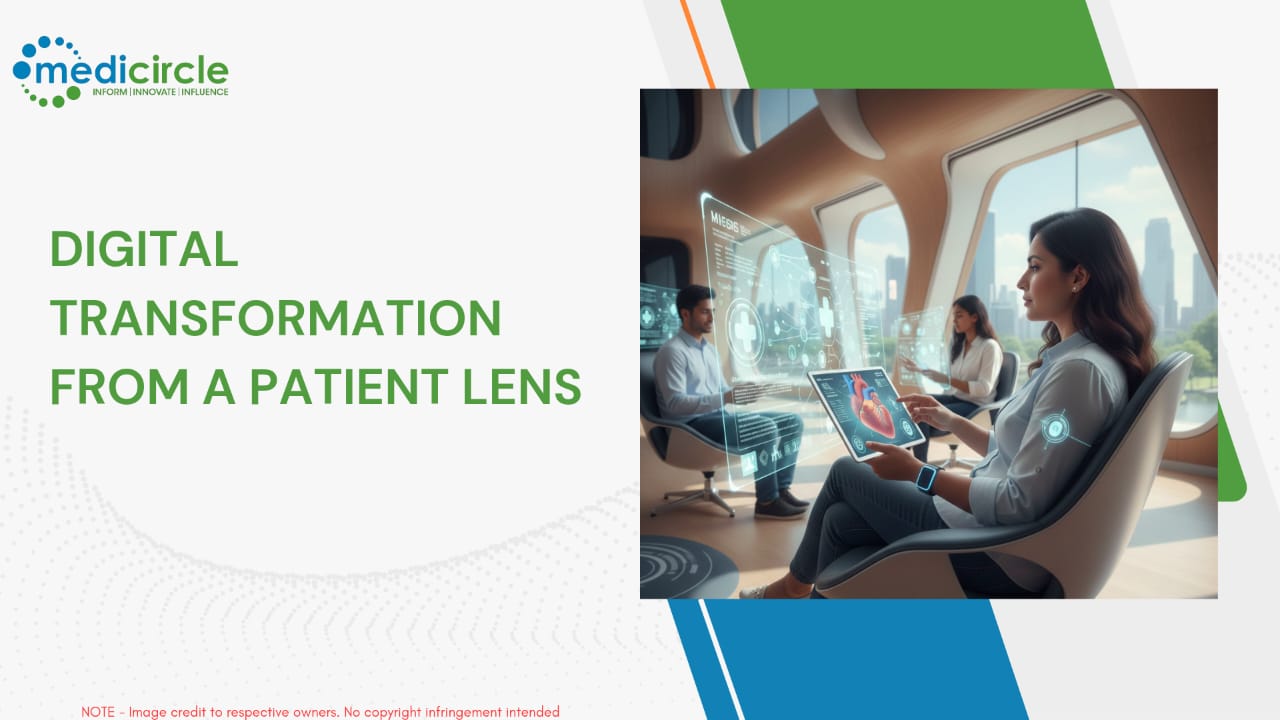
 India’s digital health transformation is empowering patients through convenience, knowledge and secure records, reshaping healthcare into a more participatory, transparent and human-centered experience.




Let us be honest. For years, visiting a doctor in India could feel like a test of patience. Remember those days? The long train or bus ride, the crowded clinic waiting room with worn-out magazines, the anxious hours ticking by. You would finally get a few minutes with the doctor, only to forget the most important question you had. Then came the flurry of paper reports, easy to lose and hard to decipher. You were just following instructions, often feeling like a bystander in your own health journey.
That old story is changing. And the most exciting part? You are at the center of this change. A real, quiet shift is happening. It is not about complex technology for the sake of it. It is about using simple digital tools to give you, the patient, something priceless: control, ease and a genuine sense of partnership in your care.
Goodbye, waiting rooms:
The most obvious win is sheer convenience. Think about video consultations. What started as a novel idea has become a game-changer. For a young parent in Jaipur juggling work and a child’s fever or an elderly person in a smaller town with limited mobility, it is a lifeline. It means quality medical advice without the exhausting travel, the lost day’s wages or the stress of navigating a busy hospital. This is powerful. Managing an ongoing condition like diabetes or hypertension becomes simpler with regular virtual check-ins from home. Even getting a specialist’s view from a metro city hospital is now possible, no matter where you live. Add to that the ease of booking appointments online or getting a prescription refilled with a few taps and you have removed much of the old hassle.
Knowledge is power:
Here is another big shift. Patients are no longer in the dark. Earlier, medical knowledge felt locked away. Now, trusted health platforms put reliable information right on your phone. Before a doctor’s visit, you can read up on symptoms in your language, understand basic treatment paths or learn about preventive diets. This changes everything in the consultation room. You walk in prepared. You can ask clearer questions. The conversation transforms from a one-way instruction to a two-way discussion. The doctor brings expertise and you bring an understanding of your own body and life. This partnership is the bedrock of true modern healthcare.
A silent guardian:
Your safety and your rights receive a major boost from this digital shift. The move from fragile piles of paper to secure Electronic Health Records is a silent revolution. Imagine this: your complete medical history, every allergy, past prescription, lab result, stored safely and available instantly to any doctor you authorize. This seamless flow is crucial. It prevents dangerous medication mix-ups, avoids repeating expensive tests, and ensures every specialist you see has the full picture. It also brings transparency, giving you more ownership of your health data. For doctors, this digital record is a vital tool to ensure nothing is missed.
The human touch:
A fair question many ask is whether all this technology will make healthcare feel cold. The truth is that it is designed to do the opposite. The goal is to remove frustrations such as endless waiting, missing files and confused communication that often strain the patient-doctor relationship. When a doctor is freed from administrative chaos, they can truly listen. When you, as a patient are calm and informed, you can share concerns more clearly. Technology, when used well, does not replace human connection. It clears the clutter so that connection can become deeper and more focused.
Where Medicircle fits in:
This patient-first change needs a strong foundation. Doctors and clinics need a genuine, trustworthy way to connect with people online. This is where a platform like Medicircle makes a difference. Medicircle helps healthcare providers build a meaningful digital presence, not just a listing but a space for credible advice, clear communication and managed services. It acts as a bridge. When a doctor shares helpful health tips or explains a complex procedure in simple terms online, trust begins even before the first visit. Finding the right expert becomes less daunting and starting a conversation becomes easier.
Dignity and empowerment:
So, where is this all headed? Viewed through the patient’s eyes, digital transformation is a journey towards greater dignity and empowerment. It is about building a health system that adapts to serve you, not the other way around. Challenges remain, including ensuring universal access and digital literacy. But the direction is clear. The future of Indian healthcare is taking shape as a thoughtful blend of smart technology and unwavering human care, one where you feel seen, heard and firmly in control of your own wellbeing. That is the true heart of this digital cure.






.jpeg)










.jpg)
.jpg)
.jpg)
.jpg)
.jpg)
.jpg)


.jpg)