 Saturday, November 21, 2026
 A colostomy is a temporary surgical arrangement performed in children when they are born with certain congenital conditions, or when they suffer from intestinal cancer, severe infections, or other bowel-related problems.





Hyderabad, December 29, 2025: A colostomy is a temporary surgical arrangement performed in children when they are born with certain congenital conditions, or when they suffer from intestinal cancer, severe infections, or other bowel-related problems. In this procedure, the normal route of bowel movement is temporarily diverted, and the end of the large intestine is brought out through the abdominal wall. A disposable bag is attached at this opening to collect stool. By regularly cleaning and changing this bag, personal hygiene can be maintained. This procedure is known as a colostomy.
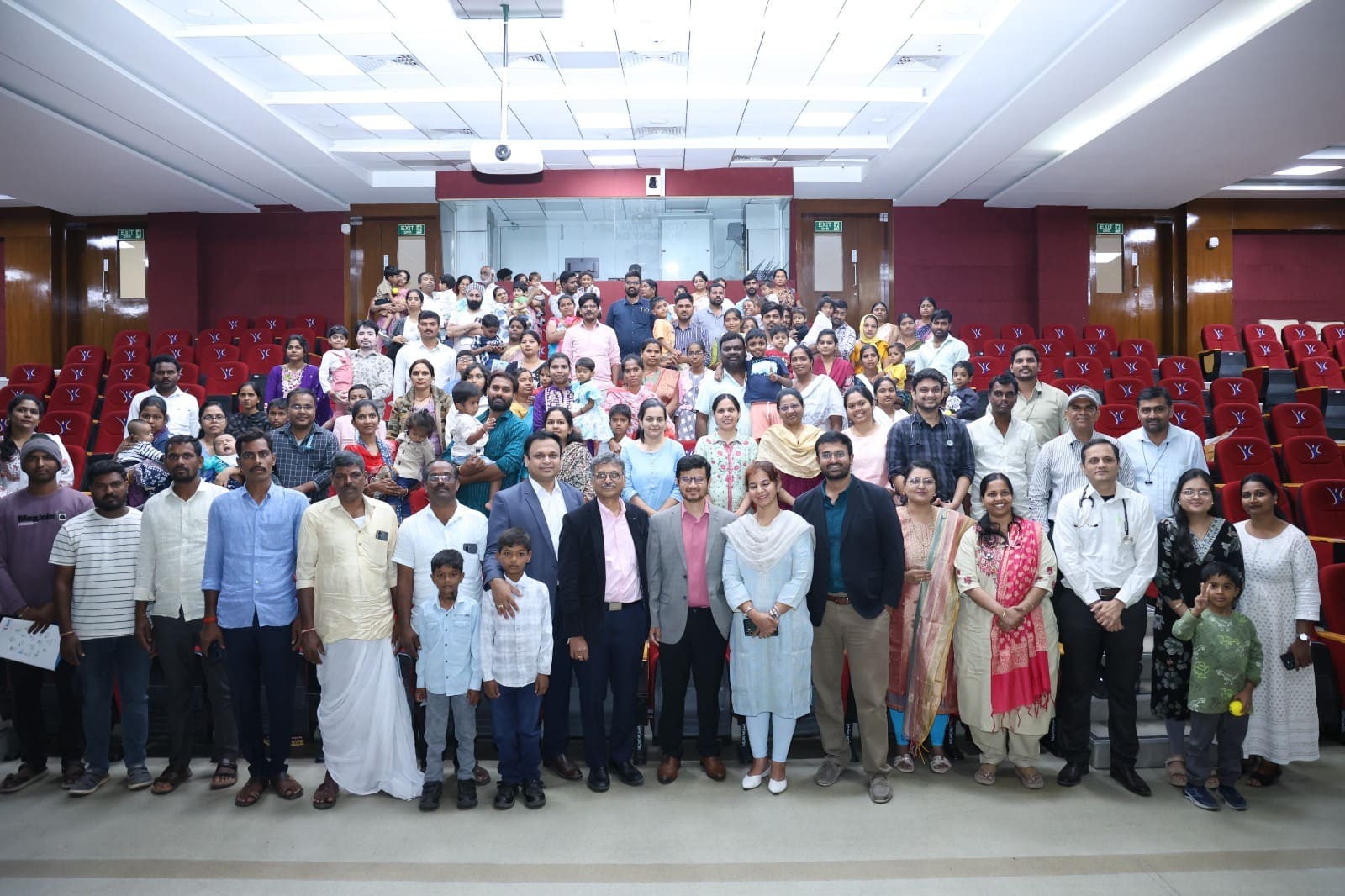
However, families of children who undergo colostomy often experience intense fear, doubts, and social challenges. To address and dispel these concerns, a Pediatric Colostomy Support Group was launched on Monday at KIMS Cuddles Hospital, Secunderabad, under the guidance of pediatric surgery specialists, on the occasion of National Pediatric Surgery Day.
The initiative is led by Dr. M. Yoga Nagendhar, Chief Consultant Pediatric Surgeon, Pediatric Urologist, and Robotic Surgeon. Through this group, awareness about colostomy will be created, scientific knowledge will be shared, and comprehensive support will be provided to parents of children who have undergone colostomy. Dr. Yoga Nagendhar stated that this is the first such support group in India.
Speaking on the occasion, Dr. M. Yoga Nagendhar said “Colostomy is only a temporary arrangement to allow the body to heal. A part of the large intestine is brought to the surface of the abdomen and an opening is created, through which bowel movements pass into a colostomy bag. In children, colostomy is usually a temporary diversion done to allow the intestines to recover after surgery. There are several reasons for performing a colostomy, including improper formation of the anus, Hirschsprung’s disease, intestinal problems in newborns such as necrotizing enterocolitis, intestinal injuries due to accidents, severe infections, or bowel obstructions.”
Dr. Babu S. Madarkar, Clinical Director, Chief Neonatologist, KIMS Cuddles Secunderabad, emphasized the importance of family support. He said that parents often feel overwhelmed by the challenges of managing a colostomy bag, including frequent bag changes, preventing skin irritation, making dietary adjustments, and knowing when to consult doctors. Due to lack of awareness, colostomy can also become a social issue.
“To address these challenges, the Pediatric Colostomy Support Group established by KIMS Cuddles Hospital will provide essential support to such families. The group will offer necessary training and guidance to parents, educate them on colostomy bag management, and connect families facing similar situations so they can support one another. Information will be provided on when surgeries are required and what outcomes can be expected. Expert nurses and surgeons will guide families on stoma hygiene, diet, and early identification of complications. This initiative will help families overcome isolation and gain confidence,” he explained.
Every year, December 29 is observed as National Pediatric Surgery Day to honor the crucial role played by pediatric surgeons in improving children’s lives. On this occasion, the medical team at KIMS Cuddles Hospital is undertaking various initiatives to raise public awareness about pediatric surgeries, encourage parents to seek timely medical care, and eliminate societal myths surrounding temporary stomas such as colostomy, he added.





-23-300x250.png)




















