 Thursday, October 08, 2026
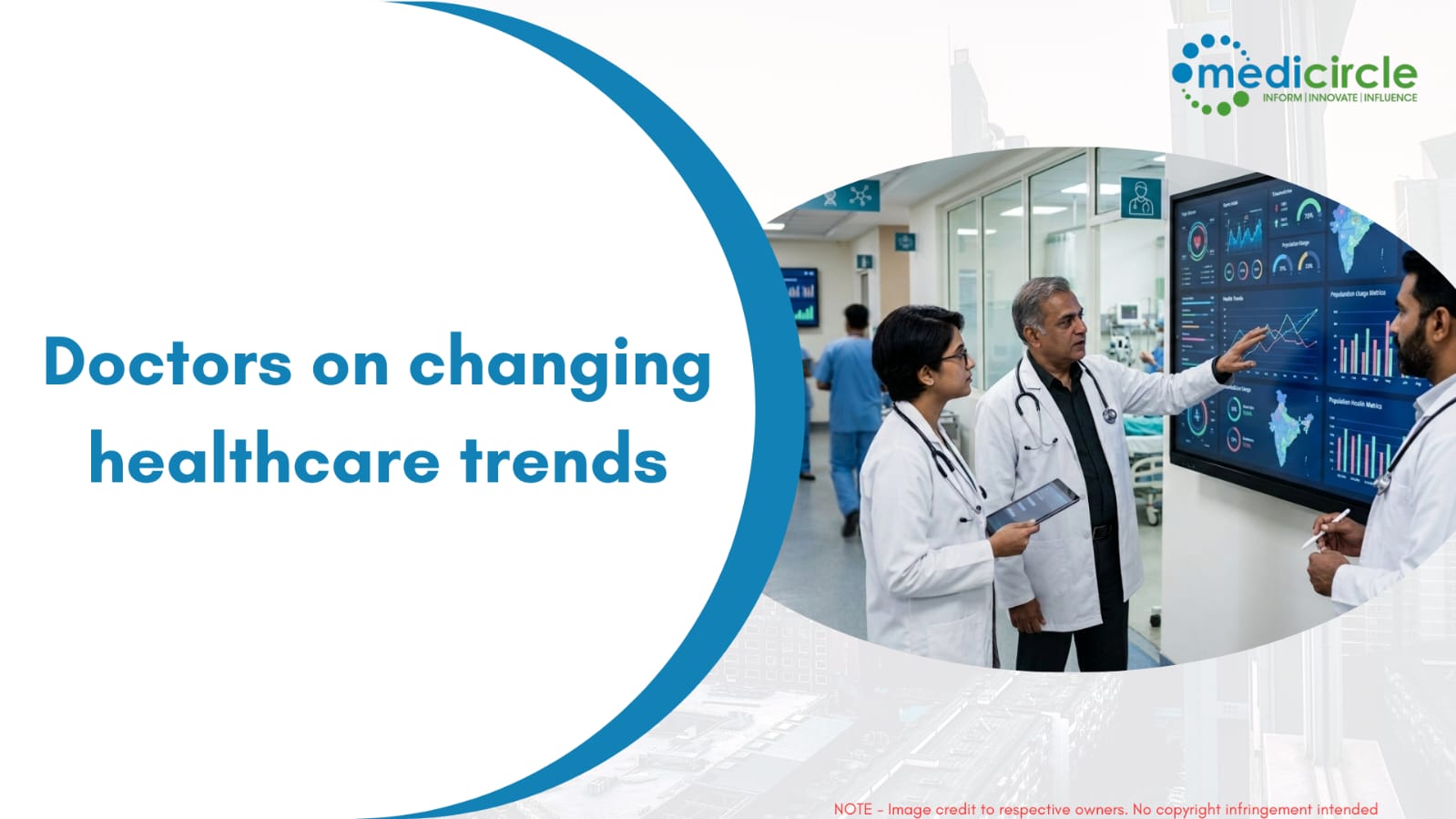
 Indian healthcare is evolving through digital connectivity, artificial intelligence, and proactive patient engagement. This shift from reactive treatment to preventive, holistic wellness ensures accessible, personalized, and high-quality care.




For a long time, the medical experience in India followed a predictable and exhausting pattern. It usually involved navigating crowded waiting rooms, carrying heavy folders of tattered paper reports, and only seeing a physician when a health issue had already become a crisis. However, the tide is turning now. We are moving away from a reactive approach to medicine and entering an era defined by smarter technology and a much deeper focus on long term wellness.
This change is not just about new machines in hospitals. It is about a complete reimagining of the relationship between those who provide care and those who receive it. Today, staying healthy in India is becoming more accessible, data driven, and personal than ever before.
Empowering the Modern Patient:
The days of being a passive bystander in one own treatment are fading quickly. Today patients are more curious and proactive than in previous generations. With a world of information available on their smartphones, people are arriving at consultations with specific questions about their medications and an increased interest in preventive screenings.
While the internet search phenomenon presents its own set of challenges, medical professionals are largely embracing this shift in behavior. Instead of just issuing instructions, doctors are acting as health educators. They are helping patients filter through the noise to find credible advice, turning the focus from treating illness to true healthcare. The goal is no longer just to fix what is broken, but to manage health so effectively that chronic conditions like hypertension or diabetes are prevented years in advance.
Expanding Digital Care Access:
The vast geography of India has historically been a significant barrier to quality medical care, but digital tools are finally bridging that gap. The rise of telemedicine means that a specialist in a major metro area like Mumbai can now provide a consultation to a family in a remote corner of Odisha or Himachal Pradesh.
Initiatives like the Ayushman Bharat Digital Mission are the backbone of this movement. By transitioning to digital health identifiers, the traditional physical file of medical records is being replaced by secure cloud based histories. For you, this means your medical story follows you wherever you go. For your doctor, it means having the full picture of your health, including allergies, past surgeries, and previous prescriptions, instantly available to make the safest possible decisions.
Technology as Clinical Support:
We often hear about artificial intelligence in futuristic terms, but in Indian healthcare, it is already a practical ally. Software is now assisting doctors in analyzing complex scans and images, often identifying tiny anomalies in cardiac health or early stage oncology that might be incredibly difficult to spot manually.
Furthermore, the wearable revolution has moved beyond simply counting steps. Smartwatches and home monitoring kits now allow patients to track their vitals in their natural environment. This provides doctors with long term data sets. Instead of making a decision based on one blood pressure reading taken while you are nervous at the clinic, they can see how your body reacts to your daily life. This leads to much more accurate and personalized treatment plans for every individual.
Holistic Health and Lifestyle:
One of the most meaningful changes in the Indian medical scene is the growing recognition that physical health cannot be separated from mental and emotional well-being. Whether it is a family physician or a cardiologist, more doctors are now discussing stress, sleep, and mental health as core components of physical recovery.
We are also seeing the rise of personalized medicine. Rather than applying a standard treatment to every patient, doctors are increasingly tailoring advice based on a unique lifestyle, environment, and even genetic predispositions. This is a total game changer for managing the lifestyle related diseases that currently affect so many Indian households.
Future Health Outlook:
The ultimate goal of these shifting trends is to make high quality care a right rather than a privilege. By combining human empathy with digital efficiency, the Indian healthcare system is becoming more transparent and much easier to navigate for everyone.
As these tools continue to develop, the most important factor remains the partnership between you and your healthcare provider. By staying informed, utilizing the digital tools at your disposal, and focusing on prevention, you are not just a patient. You are an active participant in a healthier future for yourself and your entire family.






.jpeg)








.jpg)
.jpg)
.jpg)
.jpg)
.jpg)
.jpg)


.jpg)
.jpg)
.jpg)