 Wednesday, October 28, 2026
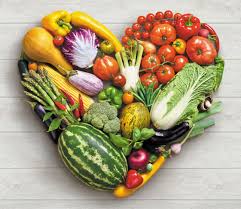
 Young Indians are increasingly at risk; Simple food choices may even reverse heart disease.




Doctors say heart disease is no longer a problem of the elderly. More and more young people, even those in their 30s, are being rushed in with chest pain, hypertension, and blocked arteries. A recent study in The Lancet has confirmed that cardiovascular disease (CVD) is now the country’s leading killer, taking lives earlier here than in most other nations. Experts say this is not only due to genetics but also because of lifestyle and dietary changes and can thus be prevented with something as simple and powerful as changing our diets.
“The Indian plate has slowly shifted away from fruits, vegetables, pulses and whole grains, and towards fried snacks, packaged foods and animal products,” says Dr. Rakesh Pandit, Senior Consultant & HOD- Internal Medicine, Aakash Healthcare Aakash Healthcare. “This nutritional transition has made our people more prone to obesity, diabetes, and high blood pressure, all of which feed into heart disease. A diet built on plant-based foods is one of the easiest ways to break this cycle,” said Dr. Rakesh.
Plant-based foods -- vegetables, fruits, legumes, nuts, seeds and whole grains -- are naturally rich in fiber, antioxidants, vitamins and minerals, while being low in cholesterol and unhealthy fats. They don’t just prevent disease, they also help in reversing damage already done, said Dr Rakesh.
At Asian Hospital, Dt. Komal Malik, Head Dietician said " Patients can start noticing a real difference in their cholesterol levels within just three months, simply by making everyday changes like - eating more greens, beans, and seasonal fruits, and cutting back on foods like meat and dairy. It doesn’t take exotic ingredients or expensive diets, just simple, local choices.”
From Jupiter Hospital, Pune, Dr. Rajendra Patil, Consultant - Cardiology, adds that plant-based diets are not about giving up taste. “Traditional Indian foods like dal, rajma, khichdi and saag are heart-healthy powerhouses. The problem is we have drowned them in ghee, cream and sugar over the years. Going back to their simpler, original versions is better for the heart.”
International groups like Veganuary have been promoting plant-based living worldwide, and doctors in India say the movement makes sense here too. “Unlike the West, where people may find plant-based eating expensive, in India our dals, millets and vegetables are not only healthy but also more affordable,” says Prashanth Vishwanath - Country Director, at Veganuary India.
The Physicians Association for Nutrition (PAN), which campaigns for evidence-based nutrition, highlights that a whole food plant-based diet supports heart health in multiple ways. It reduces chronic inflammation, improves blood pressure, lowers cholesterol and triglycerides, helps maintain a healthy weight, and enhances vascular function. Together, these effects make it a powerful approach for preventing cardiovascular disease and, in some cases, bringing existing conditions into remission. This approach not only protects the heart, but also lowers the risk of diabetes, obesity, and even some cancers,” explains Dr. G. Rajendran, Preventive Cardiologist & Advisor to PAN India.
While food is central, doctors say lifestyle matters just as much. “You can’t have a plant-based dinner and then sit on the couch all day,” says Dr. Aakaar Kapoor, CEO & Lead Medical Advisor, City X-ray & Scan Clinic. “Brisk walking, yoga, cycling, even household work, basically any form of daily activity makes a difference.”
Stress management is another piece of the puzzle. “Meditation, breathing exercises, and spending time in nature help reduce blood pressure and calm the mind,” says Dt. Komal.
The Lancet study makes clear that India cannot afford to ignore the heart disease crisis any longer. But the solution need not be out of reach. From a bowl of dal to a plate of seasonal fruits, the answers are already in our kitchens and farms.
Dr. Aakaar said: “We often think health is complicated. But sometimes, the simplest choices such as eating more plants, moving a little more, and reducing stress are the most powerful medicines.”
For small towns across India, where fast food is spreading quickly but traditional diets are still alive, the message is timely. Choosing more plant-based meals could protect not only the hearts of individuals, but also the health of entire communities, said Prashanth.





-23-300x250.png)

.jpeg)








.jpg)
.jpg)
.jpg)
.jpg)
.jpg)
.jpg)
.jpg)
.jpg)
.jpg)

