 Thursday, October 08, 2026
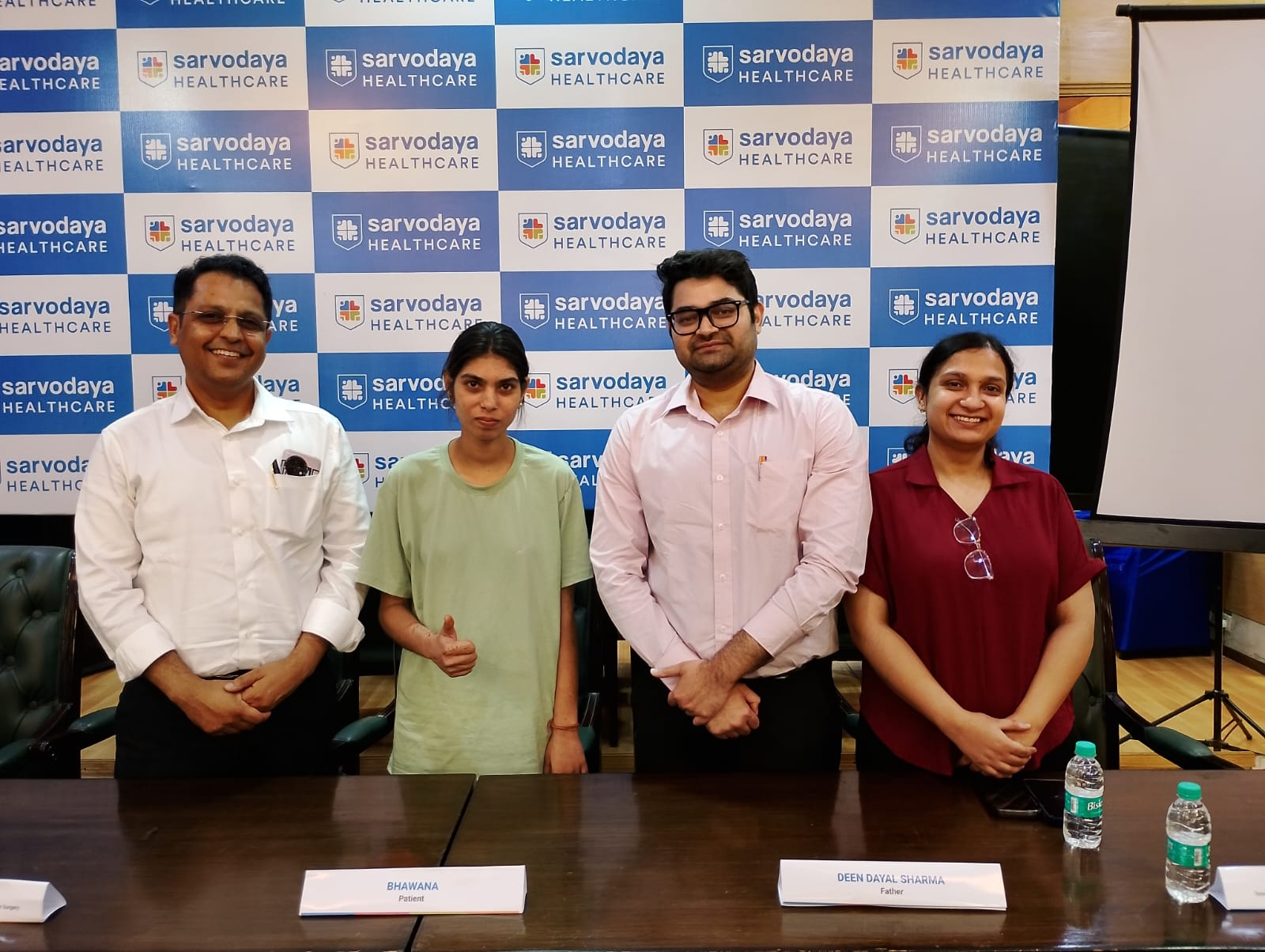
 Her stomach and colon had shifted into the chest after a tear in the diaphragm; doctors performed a complex 3-hour emergency surgery to save her life.




New Delhi, 26th August, 2026: In a rare and life-threatening trauma case, doctors at Sarvodaya Hospital, Sector 8, Faridabad, successfully saved the life of a 21-year-old woman who was dragged after her clothes became entangled in the wheel of a tractor.
The devastating accident left the young woman battling for her life, with severe shock and multiple internal injuries, massive blood loss, a ruptured intestine and a torn diaphragm that caused her stomach and colon to move into her chest.
The patient, a resident of Chiksoli village in Uttar Pradesh’s Mathura, was rushed to Sarvodaya Hospital in a critical condition, arriving in hemorrhagic shock with dangerously low blood pressure, a rapid heart rate, severe abdominal pain, a hole in the intestine, breathing difficulty and uncontrolled bleeding from her right leg due to major skin and tissue injury. Doctors immediately recognised that the injuries were potentially fatal and that even a short delay could have resulted in irreversible shock, multiple organ failure and death.
A multidisciplinary trauma team, led by Dr Arjun Goel, Senior Consultant & Head, General & Minimally Invasive Surgery, Sarvodaya Hospital, Sector 8, Faridabad, immediately took her for emergency surgery. After nearly three hours of complex surgery, the team was able to repair the life-threatening injuries and give the young woman a second chance at life.
Giving details of the case, Dr Arjun Goel, Senior Consultant & Head, General & Minimally Invasive Surgery, said, “Recognising the severity of her condition, we immediately shifted her to the operation theatre. Any delay in surgical intervention could have resulted in irreversible shock, multiple organ failure and death. We repaired the torn diaphragm, moved her stomach and colon back into the abdomen, removed the damaged part of the small intestine and reconnected it. We also inserted a chest tube to drain fluid and air. For her severely injured leg, we removed damaged tissue and used special vacuum therapy to support healing.”
Trauma specialists say that injuries in which abdominal organs move into the chest following a serious accident occur in less than 1% of trauma cases, making them particularly challenging to diagnose and treat. In this case, immediate diagnosis, rapid surgical decision-making and advanced laparoscopic expertise were critical in controlling internal bleeding, repairing multiple injuries and saving the patient's life.
Following the surgery, the patient remained under intensive care, received multiple blood transfusions and was closely monitored until her condition stabilised. She recovered steadily, resumed oral feeding and is now able to carry out her daily activities independently with an expected return to normal life.
Dr Rakesh Gupta, Chairman, Sarvodaya Healthcare said, “This rare and life-threatening case highlights the importance of rapid diagnosis, timely surgery and coordinated trauma care. I congratulate our entire trauma and surgical team for successfully managing this challenging case. With advanced trauma, critical care, minimally invasive surgery, imaging and 24×7 emergency services, Sarvodaya Hospital is equipped to manage complex emergencies with speed and precision. We remain committed to delivering evidence-based, patient-centric care with advanced clinical expertise and round-the-clock emergency services, ensuring timely, lifesaving treatment when every second matters.”






.jpeg)








.jpg)
.jpg)
.jpg)
.jpg)
.jpg)
.jpg)


.jpg)
.jpg)
.jpg)