 Saturday, November 21, 2026
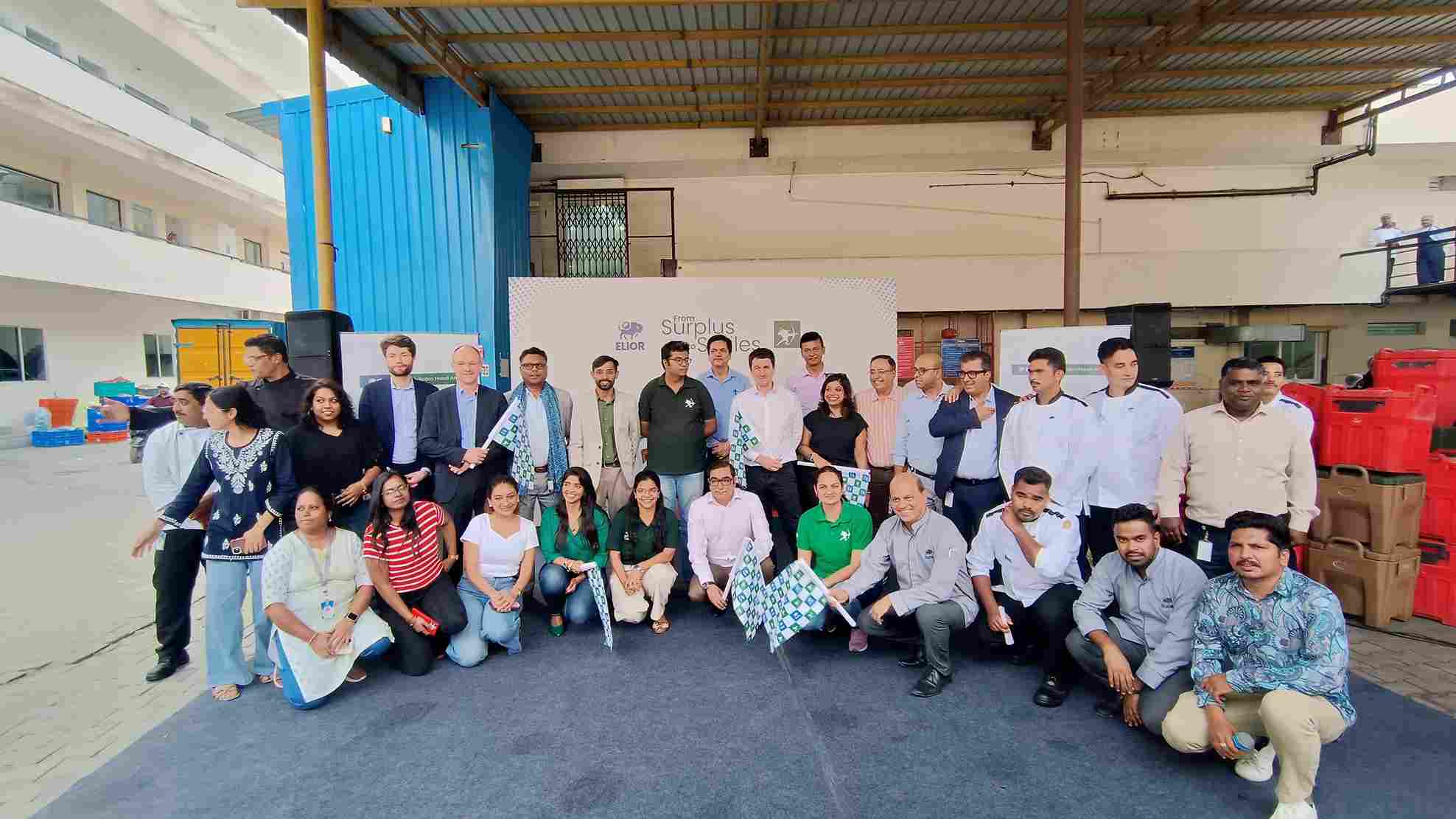
 Initiative begins in Bengaluru as part of Elior India’s sustainability efforts.





Bengaluru, 16th March 2026: Elior India, a subsidiary of the EUR 6.05 billion France-based Elior Group and one of the world’s leading providers of institutional food services, has partnered with the Robin Hood Army (RHA), a volunteer-driven organisation that redistributes surplus food to underserved communities, to launch a food redistribution initiative focused on responsible surplus management.
The program enables safe, eligible surplus food from Elior’s kitchens and sites to be redistributed through RHA’s volunteer network, aligning with Elior India’s commitment to sustainability and responsible food management.
The initiative was launched as a pilot from Elior’s GK1 kitchen in Bengaluru on 13 March in the presence of Boris Derichebourg, Chairman and CEO of Elior Group, who is currently visiting India, and Ashwani Vohra, Managing Director, Elior India, along with the Elior India leadership team. The flag-off ceremony included brief remarks from Elior India leadership and representatives from the Robin Hood Army, followed by the first redistribution pickup by the RHA team to mark the start of the initiative.
The program will initially operate from Elior’s Bengaluru kitchens, with potential expansion to other cities where Elior India operates based on operational learnings.
Commenting on the initiative, Ashwani Vohra, Managing Director, Elior India, said:
“At Elior, responsible food management is an integral part of how we operate our kitchens. Our partnership with the Robin Hood Army enables us to ensure that safe surplus food is redistributed where it can make a meaningful difference, while reinforcing responsible and sustainable kitchen practices across our operations. We value the work the Robin Hood Army is doing to bring surplus food to communities that need it.”
Through this initiative, Elior India is strengthening its approach to responsible surplus management by ensuring that safe, excess food from its kitchens is redistributed in a structured and meaningful way.





-23-300x250.png)




















