 Saturday, November 21, 2026
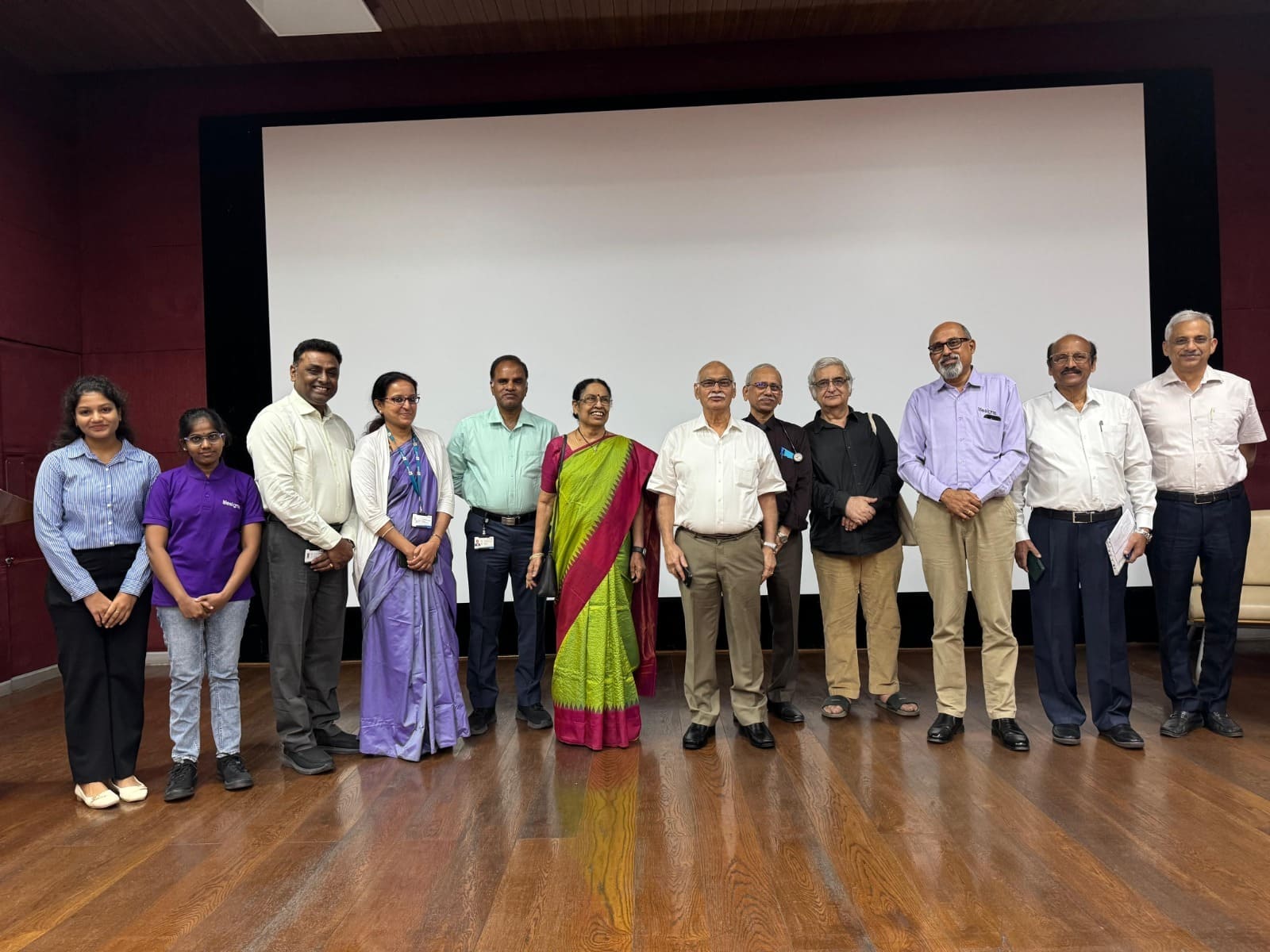
 Cutting-Edge Technology Launched at KIMS Hospital.





Hyderabad, 25th November, 2025: KIMS Hospital, one of the leading healthcare institutions in the country, has launched an AI-based Early Warning System. This technology enables continuous understanding of how in-patients are responding to treatments, significantly enhancing patient safety. The initiative demonstrates the hospital’s ongoing commitment to introducing the most advanced medical technologies for patient care.
With this new system, all key patient parameters can be monitored remotely at all times through wireless wearable devices. Any changes in a patient’s condition are instantly detected, triggering real-time alerts to the clinical teams. The medical staff can immediately coordinate with nursing teams and deliver the required interventions without delay. This strengthens patient-safety protocols and helps identify early signs of deterioration, allowing timely medical action to prevent complications.
Speaking about the new system, Dr. Bhaskar Rao, CMD of KIMS Group of Hospitals, said that KIMS Hospital, Secunderabad, has a strong track record of adopting state-of-the-art medical technologies. These include augmented-reality-assisted neurosurgery, advanced imaging systems, AI-driven diagnostics, and digital platforms that enhance patient experience. With the addition of the AI-based monitoring system, clinicians can now continuously observe patient conditions and make better point-of-care decisions right at the bedside.
By integrating Lifesigns' intelligent monitoring technology into its daily clinical operations, KIMS Hospital has further strengthened its position in the healthcare ecosystem. The new system brings significant improvements in patient safety, treatment efficiency, and overall patient experience.




-23-300x250.png)




















