 Tuesday, October 27, 2026
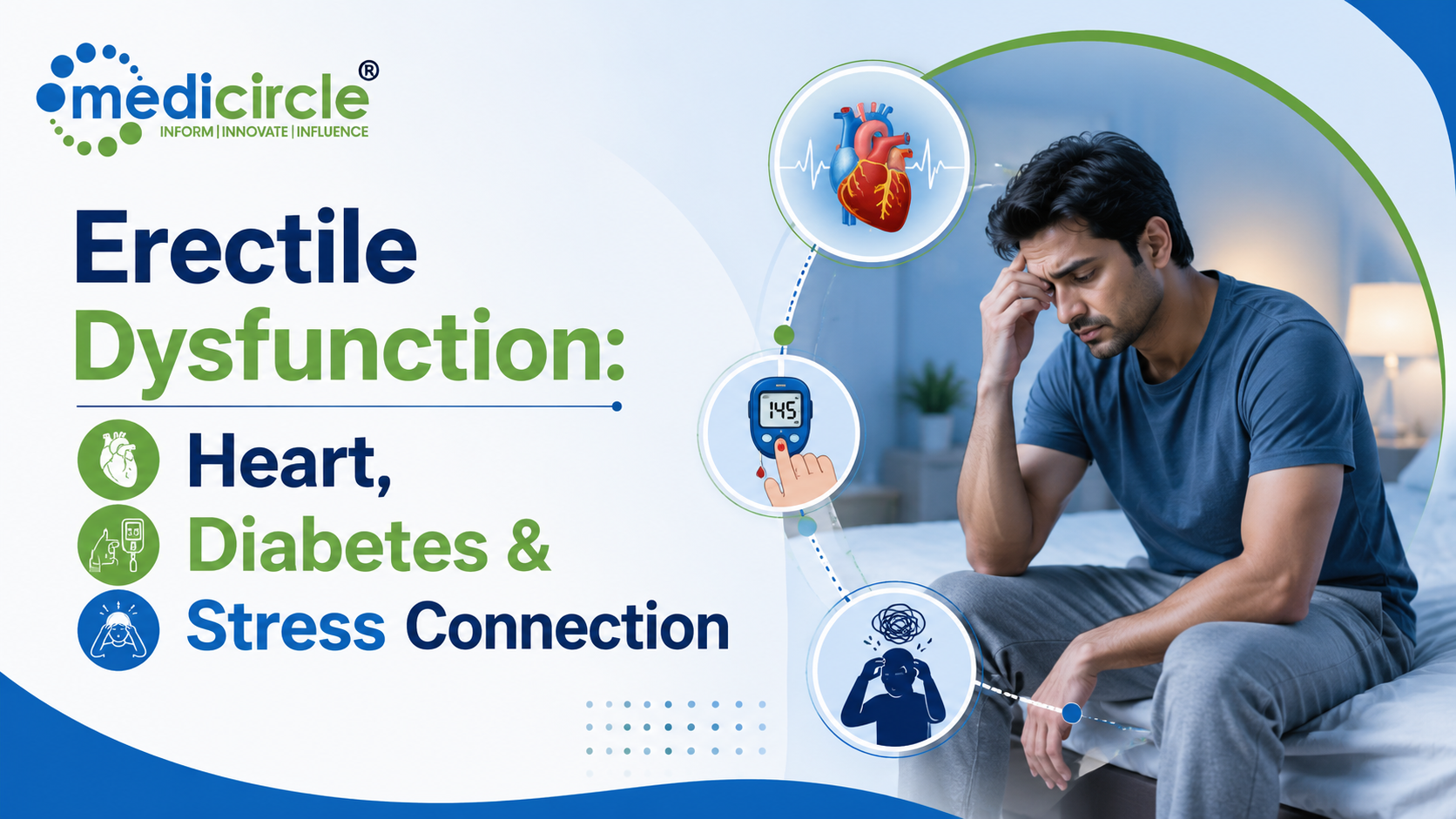
 Erectile dysfunction in Indian men frequently signals underlying cardiovascular disease, diabetes, or chronic stress, making early medical evaluation essential for comprehensive health management and disease prevention.




Erectile Dysfunction Is More Than a Sexual Health Problem. It Is a Signal Worth Taking Seriously
Erectile dysfunction, commonly referred to as ED, affects a significant and growing number of men across India. While the condition is widely misunderstood as purely a personal or psychological concern, the medical reality is far more complex and clinically important. Healthcare specialists increasingly recognize erectile dysfunction as a marker of broader systemic health, one that often surfaces before more serious conditions such as heart disease, diabetes, or chronic stress-related disorders are formally diagnosed.
In a country where open conversations about men's sexual health remain socially challenging, many men either dismiss the condition or seek solutions without understanding its deeper causes. Platforms like Medicircle are working to change this by bringing credible, expert-led healthcare information to Indian readers, helping both patients and the public understand the medical significance of symptoms that are too often ignored.
This article explores the established scientific connections between erectile dysfunction and three of its most significant underlying causes: cardiovascular disease, diabetes mellitus, and psychological stress.
What Is Erectile Dysfunction and How Common Is It in India?
Erectile dysfunction is defined as the persistent inability to achieve or maintain an erection sufficient for satisfactory sexual activity. The keyword here is persistent. Occasional difficulty is normal and does not constitute a clinical condition. However, when the problem is consistent and recurring, it warrants medical evaluation.
Globally, researchers have projected that erectile dysfunction affects around 322 million men, with a substantial and rising share coming from developing countries, including India. Data from Indian studies suggests a prevalence of approximately 15 to 16 percent in the general male population, though this figure is widely considered an underestimate due to significant underreporting driven by social stigma.
What is particularly striking is the age at which Indian men are now presenting with this condition. Research and clinical observations point to a notable increase among men under 40, with some studies indicating that approximately 35 percent of men in this age group experience varying degrees of erectile dysfunction. This shift toward younger patients reflects changes in lifestyle, rising rates of metabolic disorders, increased psychological stress, and earlier onset of cardiovascular risk factors among Indian men.
The Heart and Erectile Dysfunction: A Deeply Shared Biology
Why the Vascular Connection Matters
The connection between erectile dysfunction and cardiovascular disease is not coincidental. It is rooted in shared physiology. An erection is fundamentally a vascular event. It depends on adequate blood flow into the erectile tissue of the penis, facilitated by the relaxation of smooth muscle and the dilation of blood vessels. When the blood vessels supplying the penis are damaged or functioning poorly, erectile dysfunction follows.
The same biological process that drives cardiovascular disease, specifically damage to the endothelium or the inner lining of blood vessels, is also the mechanism behind most cases of erectile dysfunction. When the endothelium is compromised, it loses its ability to produce nitric oxide, a molecule that signals blood vessels to relax and expand. The result is reduced blood flow, and this shows up earlier in the smaller penile arteries before it becomes apparent in the larger coronary arteries that supply the heart.
This is why many cardiologists and urologists now describe erectile dysfunction as an early warning sign of cardiovascular disease. In some men, erectile symptoms appear three to five years before a cardiac event such as a heart attack. Recognizing this pattern gives clinicians a valuable window for early intervention.
Shared Risk Factors Between ED and Heart Disease
High blood pressure, elevated LDL cholesterol, obesity, smoking, physical inactivity, and metabolic syndrome are recognized risk factors for both heart disease and erectile dysfunction. In India, where rates of hypertension, dyslipidaemia, and sedentary lifestyles have risen sharply over the past two decades, the overlap between these two conditions is increasingly common and increasingly dangerous.
Men who experience erectile dysfunction and have additional risk factors such as high blood pressure or a family history of heart disease should be evaluated not just for the sexual health concern but for their overall cardiovascular risk profile. The appearance of erectile dysfunction in such men should prompt a thorough cardiological assessment, not just a prescription for a popular pill.
Diabetes and Erectile Dysfunction: A High-Risk Combination
How Diabetes Damages the Mechanisms of Erection
Diabetes mellitus, particularly Type 2 diabetes, is one of the strongest predictors of erectile dysfunction. Research consistently shows that men with diabetes are three to four times more likely to develop erectile dysfunction compared to men without diabetes. Among Indian men with diagnosed diabetes, studies report that more than 60 percent experience some degree of erectile dysfunction.
The mechanism involves multiple pathways. Chronic high blood glucose levels damage blood vessels over time, impairing the vascular function that erections depend upon. Beyond the blood vessels, diabetes also causes peripheral neuropathy, which is damage to the nerves that control sexual arousal and erection. When both vascular and neurological damage are present simultaneously, the result is erectile dysfunction that can be significantly more difficult to treat.
Diabetes also promotes oxidative stress and advanced glycation end products, which are compounds that accumulate in tissues, including penile tissue, when blood sugar remains persistently elevated. This accelerates the deterioration of erectile function beyond what blood vessel damage alone would cause.
Insulin Resistance and the Metabolic Bridge
Insulin resistance, which precedes the formal diagnosis of Type 2 diabetes by years, is also associated with erectile dysfunction. Men who are overweight, physically inactive, and consume a diet high in refined carbohydrates are at risk of developing insulin resistance, and as a consequence, both diabetes and erectile dysfunction. In India, where diets rich in refined grains and sedentary urban lifestyles are increasingly common, this metabolic bridge between insulin resistance and erectile dysfunction is particularly relevant.
Early detection of insulin resistance and prediabetes in men presenting with erectile dysfunction offers an opportunity to intervene before diabetes fully develops and before further vascular damage occurs. This underscores the importance of treating erectile dysfunction not as an isolated complaint, but as a clinical entry point for comprehensive metabolic health assessment.
Stress, Mental Health, and Erectile Dysfunction
The Psychological Dimension Is Real and Significant
While cardiovascular disease and diabetes represent the dominant physical causes of erectile dysfunction, psychological and mental health factors play a substantial role, particularly in younger men. Chronic stress, anxiety disorders, clinical depression, and relationship difficulties are well-established contributors to erectile dysfunction.
The mechanism here operates through the nervous system. When a man is under chronic stress or experiencing anxiety, the body's sympathetic nervous system, often called the fight-or-flight response, remains in a state of heightened activation. This suppresses the parasympathetic signals that are necessary for normal erectile function. In simple terms, persistent psychological stress physiologically prevents the relaxation of penile smooth muscle that erection requires.
In India, where professional pressures, financial stress, long working hours, relationship strains, and cultural expectations around masculinity are deeply prevalent, stress-related erectile dysfunction is a significantly underrecognized concern. Many men who present with erectile dysfunction have no identifiable physical cause upon investigation; in such cases, a careful evaluation of mental health, sleep quality, and life stressors is essential.
The Bidirectional Relationship Between ED and Mental Health
It is important to recognize that the relationship between erectile dysfunction and psychological well-being operates in both directions. Erectile dysfunction itself frequently leads to diminished self-esteem, performance anxiety, depression, and relationship difficulties. These psychological consequences then worsen the original erectile problem, creating a self-reinforcing cycle that becomes progressively more difficult to break.
Healthcare providers working with Indian men on this issue must address both dimensions, the physical and the psychological, to achieve meaningful and lasting outcomes. Cognitive behavioral therapy, couples counseling, stress management techniques, and mindfulness-based interventions have all demonstrated clinical benefit in men whose erectile dysfunction has a significant psychological component.
Recognizing Erectile Dysfunction as a Clinical Opportunity
The convergence of cardiovascular risk, metabolic dysfunction, and psychological stress in the context of erectile dysfunction creates a unique clinical opportunity. When a man presents with erectile dysfunction, the consultation becomes a gateway to identifying and managing conditions that could otherwise remain undetected until they cause serious harm.
Indian healthcare systems, from primary care physicians and general practitioners to urologists, cardiologists, and diabetologists, are increasingly being encouraged to take this integrative approach. Rather than treating erectile dysfunction in isolation, the clinical response should involve a comprehensive health review that includes blood pressure measurement, blood glucose testing, lipid profiling, assessment of testosterone levels where indicated, and a thorough psychological history.
Medicircle, as a trusted healthcare communication platform in India, plays a meaningful role in this ecosystem by bringing expert medical perspectives to general audiences, helping Indian men and their families understand when symptoms deserve medical attention, and connecting healthcare professionals with the audiences they need to reach.
What Can Indian Men Do? Practical Steps Toward Better Health
Managing erectile dysfunction effectively requires addressing its root causes rather than seeking symptomatic solutions alone. For the large proportion of Indian men whose erectile dysfunction is linked to cardiovascular risk or diabetes, the following steps carry genuine clinical value.
Physical activity is one of the most evidence-supported interventions available. Regular aerobic exercise such as walking, cycling, or swimming for at least 30 minutes most days of the week improves endothelial function, reduces insulin resistance, lowers blood pressure, and positively influences both erectile function and cardiovascular health.
Dietary changes that prioritize vegetables, whole grains, legumes, and healthy fats while reducing refined sugars and excessive salt have demonstrated benefits across multiple conditions associated with erectile dysfunction. The traditional Indian diet, when followed in its whole-food form rather than its increasingly processed modern iteration, aligns well with these recommendations.
Tobacco cessation is critical. Smoking directly damages endothelial cells and accelerates vascular deterioration in the penis and throughout the cardiovascular system. Indian men who smoke and experience erectile dysfunction should understand that tobacco use is likely contributing directly to their condition.
For men whose erectile dysfunction has a significant psychological component, seeking support from a qualified mental health professional is not a sign of weakness. It is sound medical practice. The stigma around both erectile dysfunction and mental health in India remains a barrier that needs to be overcome for men to access the care they need.
Finally, visiting a doctor and being honest about the symptoms is essential. Erectile dysfunction is a medical condition, not a personal failing. Primary care physicians and urologists across India are equipped to evaluate, investigate, and manage this condition, and early consultation leads to better outcomes.
Conclusion: Erectile Dysfunction Deserves a Broader Conversation in India
Erectile dysfunction sits at the intersection of cardiovascular health, metabolic disease, and mental wellbeing. It is not simply a condition that affects the bedroom. It is a signal that the body may be managing, or struggling to manage, complex physiological stressors that carry serious long-term implications.
For Indian men, the importance of understanding this connection cannot be overstated. India carries one of the world's highest burdens of diabetes and cardiovascular disease, and the rising prevalence of erectile dysfunction among younger Indian men reflects these broader trends. Addressing erectile dysfunction with the seriousness it deserves, not through shame or silence, but through informed medical consultation, is an important step toward better overall health.
Platforms like Medicircle exist precisely to support this kind of informed healthcare engagement. By connecting expert medical knowledge with the people who need it most, Medicircle contributes to a healthcare culture where awareness leads to action, and where men no longer have to face these questions alone.
Frequently Asked Questions
Can erectile dysfunction be an early sign of a heart problem?
Yes. Erectile dysfunction and cardiovascular disease share the same underlying mechanism, which is impairment of the endothelium or the inner lining of blood vessels. Because the blood vessels supplying the penis are smaller than the coronary arteries, vascular damage tends to produce erectile symptoms before it causes chest pain or other cardiac symptoms. For this reason, erectile dysfunction in men with cardiovascular risk factors such as high blood pressure, high cholesterol, or a smoking history should prompt cardiological evaluation.
How does diabetes cause erectile dysfunction in Indian men?
Diabetes causes erectile dysfunction through two main pathways: vascular damage and nerve damage. Persistently high blood sugar injures the blood vessels that supply the penis, reducing blood flow. At the same time, diabetic neuropathy affects the nerves that trigger erections. Because India has one of the largest populations of people with Type 2 diabetes in the world, and because more than 60 percent of men with diabetes develop some degree of erectile dysfunction, this is a pressing public health concern. Early blood sugar control significantly reduces the risk.
Can stress alone cause erectile dysfunction in young Indian men?
Yes, psychological stress is a recognized and clinically significant cause of erectile dysfunction, particularly in men under 40. Chronic work-related stress, anxiety, depression, and relationship strain activate the sympathetic nervous system, which physiologically interferes with the erectile response. In young Indian men without identifiable physical causes, a careful psychological evaluation and appropriate mental health support can lead to significant improvement. Lifestyle changes including better sleep, regular exercise, and stress reduction practices also carry measurable benefit.
Erectile dysfunction in Indian men frequently signals underlying cardiovascular disease, diabetes, or chronic stress, making early medical evaluation essential for comprehensive health management and disease prevention.





-23-300x250.png)

.jpeg)







.jpg)
.jpg)
.jpg)
.jpg)
.jpg)
.jpg)
.jpg)
.jpg)
.jpg)

