Tuesday, October 06, 2026
 Today, the U.S. Food and Drug Administration approved Tagrisso (osimertinib) as the first adjuvant treatment for patients with non-small cell lung cancer whose tumors have a specific type of genetic mutation.




Today, the U.S. Food and Drug Administration approved Tagrisso (osimertinib) as the first adjuvant treatment for patients with non-small cell lung cancer whose tumors have a specific type of genetic mutation.
"Today's approval of Tagrisso demonstrates how additional research on therapies approved in later stages of cancer can eventually improve treatment options for patients in earlier stages," said Richard Pazdur, M.D., director of the FDA's Oncology Center of Excellence and acting director of the Office of Oncologic Diseases in the FDA's Center for Drug Evaluation and Research. "With this approval, patients may be treated with this targeted therapy in an earlier and potentially more curative stage of non-small cell lung cancer."
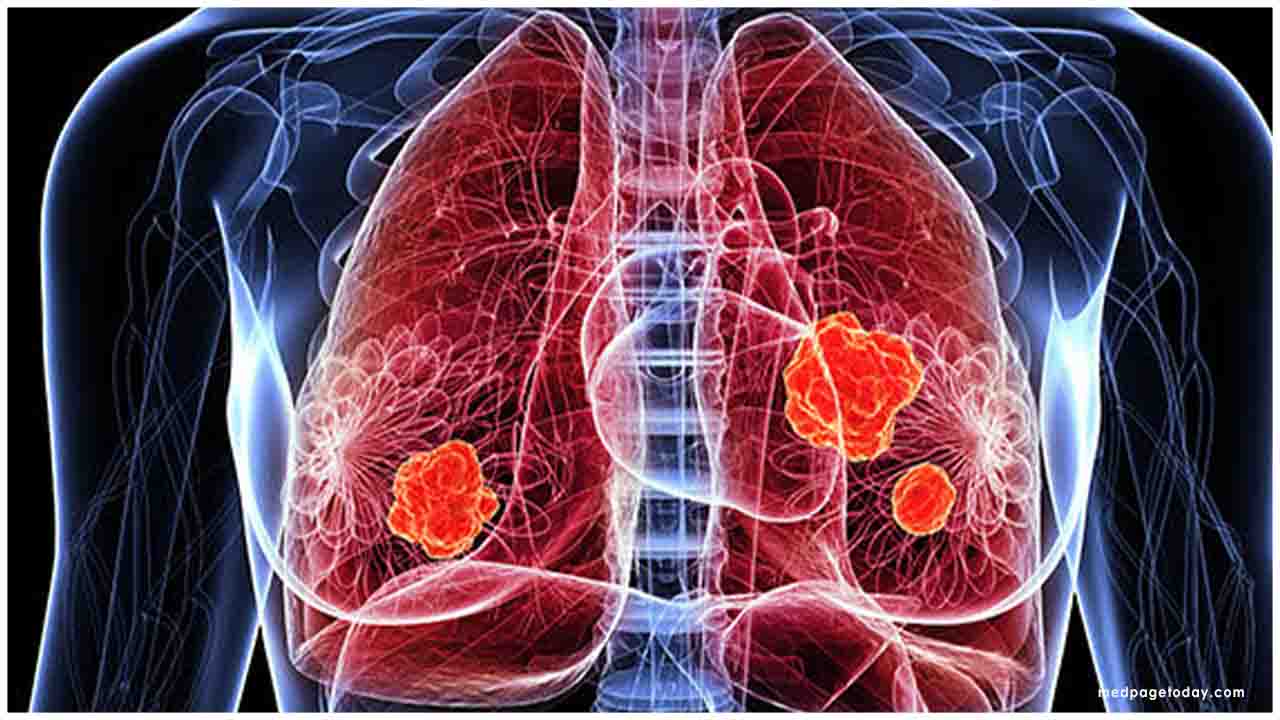
Lung cancer is the most common cancer type and the leading cause of cancer-related deaths worldwide. In the U.S., approximately 229,000 adults will be diagnosed with lung cancer in 2020, of which 76% of cases will be non-small cell lung cancer. Approximately 20% of patients with non-small cell lung cancer will have epidermal growth factor receptor (EGFR) mutations, which are mutations on a protein that causes rapid cell growth, and consequently, helps cancer spread.
Although most patients who are diagnosed with non-small cell lung cancer have unremovable tumors, 30% have the resectable disease; thus, more than 10,000 patients nationwide each year may be candidates for Tagrisso as adjuvant therapy after tumor removal. Tagrisso was approved in 2018 for the first-line treatment of patients with metastatic non-small cell lung cancer whose tumors have EGFR exon 19 deletions or exon 21 L858R mutations.
Tagrisso was evaluated in a randomized, double-blind, placebo-controlled trial of 682 patients with early-stage non-small cell lung cancer and EGFR exon 19 deletions or exon 21 L858R mutation-positive who had undergone complete tumor removal. A total of 339 patients received Tagrisso orally once daily and 343 received a placebo following recovery from surgery and standard adjuvant chemotherapy is given. The main outcome measure was the amount of time it took for cancer to come back or for death to occur from any cause (disease-free survival). In the overall trial population, patients who received Tagrisso had an 80% decrease in the chance of disease recurrence compared with patients who received a placebo.
The most common side effects of Tagrisso include diarrhea, rash, musculoskeletal pain, dry skin, skin inflammation around nails, sore mouth, fatigue, and cough. Tagrisso should be withheld if patients develop symptoms of interstitial lung disease, and permanently discontinued if interstitial lung disease is confirmed. Tagrisso may affect the heart's electrical system and can also cause issues such as heart failure so periodic monitoring should be conducted.
Tagrisso may also cause inflammation of the cornea. Tagrisso can cause fetal harm when administered to a pregnant woman; therefore, the pregnancy status of females of reproductive potential should be confirmed before treatment with Tagrisso is started. Tagrisso should be withheld if Stevens-Johnson syndrome or erythema multiforme major is suspected.
Tagrisso received Orphan Drug designation for the treatment of EGFR mutation-positive non-small-cell lung cancer. Orphan Drug designation provides incentives to assist and encourage drug development for rare diseases. Additionally, the agency granted Tagrisso a Breakthrough Therapy designation for this indication.
The FDA granted approval of Tagrisso to AstraZeneca.
This review was conducted under Project Orbis, an initiative of the FDA Oncology Center of Excellence. Project Orbis provides a framework for concurrent submission and review of oncology drugs among international partners. For this review, FDA collaborated with the Australian Therapeutic Goods Administration, the Brazilian Health Regulatory Agency, Health Canada, Singapore's Health Sciences Authority, and Switzerland's Swissmedic. The application reviews are ongoing at the other regulatory agencies.
The FDA, an agency within the U.S. Department of Health and Human Services, protects the public health by assuring the safety, effectiveness, and security of human and veterinary drugs, vaccines and other biological products for human use, and medical devices. The agency also is responsible for the safety and security of our nation's food supply, cosmetics, dietary supplements, products that give off electronic radiation, and for regulating tobacco products.





.jpeg)
.jpg)
.jpg)
.jpg)
.jpg)
.jpg)
.jpg)


.jpg)
.jpg)
.jpg)
.jpg)
.jpg)
.jpg)