Tuesday, October 06, 2026
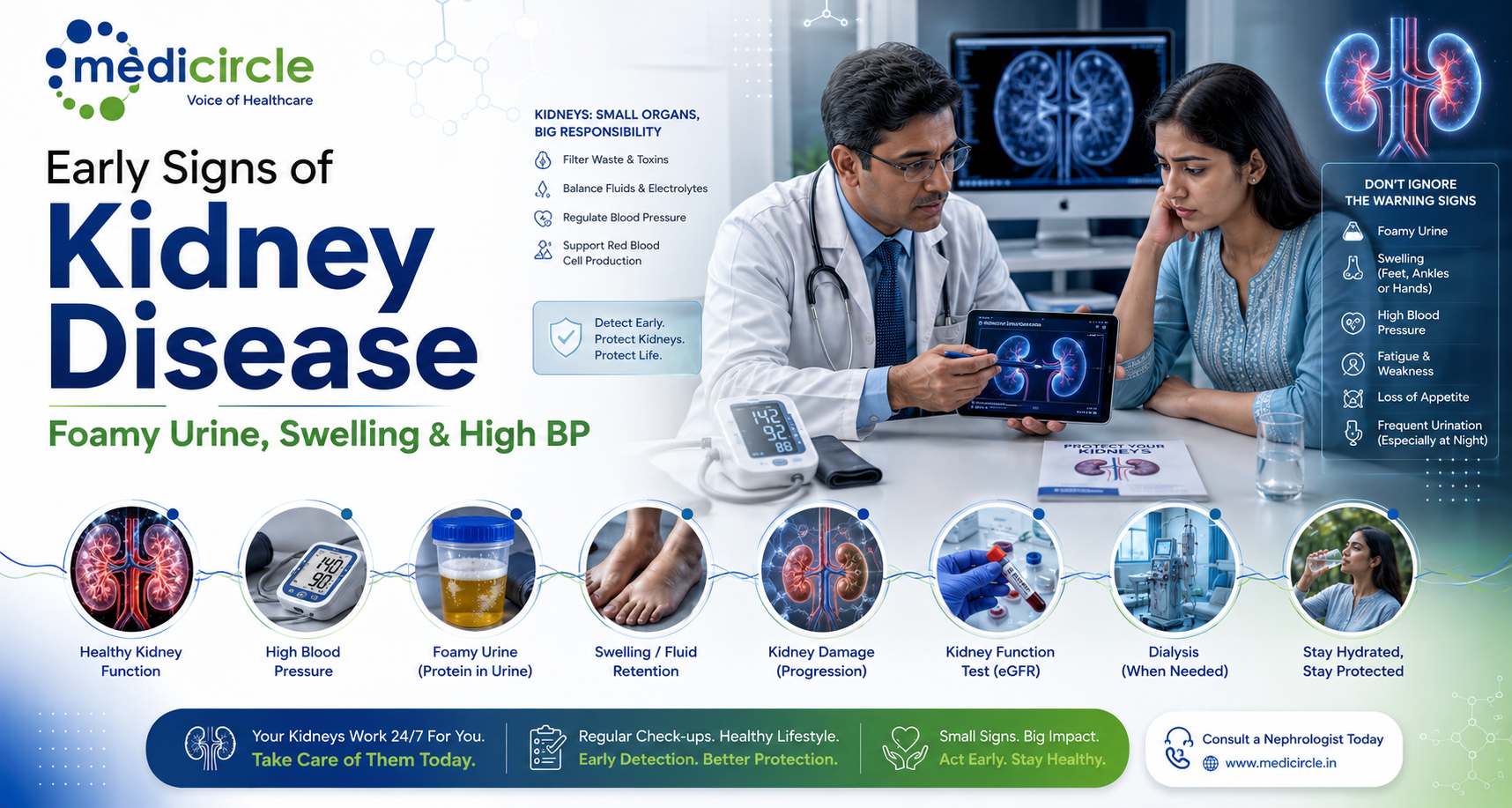
 A trio of common, overlapping symptoms, which include consistently frothy urine, structural swelling in the limbs or face, and a sudden upward trend in blood pressure readings, serve as primary indicators of early renal strain.




Early Signs of Kidney Disease
The human body possesses an incredible internal cleaning system, which is driven primarily by the kidneys. Working continuously, these two bean shaped organs filter waste products from the blood, balance body fluids, and manufacture hormones that control bone health and red blood cell production. Because they are designed to operate efficiently even when they are under stress, the initial stages of functional decline rarely cause physical pain. Consequently, many people remain completely unaware that their renal health is failing until the issue becomes advanced.
Catching these subtle changes early can prevent long term, irreversible damage. The body flashes clear warning signals if we know exactly what to look for. A trio of common, overlapping symptoms, which include consistently frothy urine, structural swelling in the limbs or face, and a sudden upward trend in blood pressure readings, serve as primary indicators of early renal strain. Recognizing how these symptoms connect can help you seek timely medical guidance to evaluate the early signs of kidney disease.
Understanding Chronic Kidney Disease
To make sense of the warning signs of the body, doctors recommends that it helps to explore the mechanics of renal filtration and what happens during chronic kidney disease. Each kidney houses roughly one million microscopic filtering structures called nephrons. Nestled within every nephron is a tiny cluster of blood vessels known as a glomerulus. The glomerulus acts exactly like an ultra fine kitchen sieve, allowing cellular waste products and extra water to pass into the bladder as urine, while holding back critical assets like proteins and red blood cells so they can keep circulating through the body.
When these microscopic sieves are working perfectly, your internal biochemistry remains balanced. However, years of underlying medical conditions or lifestyle stresses can slowly degrade the structural integrity of these filters. As the mesh of the filter wears thin, vital proteins begin to slip through the gap into your waste stream, while heavy toxins accumulate in the bloodstream, triggering a cascade of noticeable physical changes that define the progression of chronic kidney disease.
Causes of Foamy Urine
A distinct change in the texture of your urine is often the very first visible clue that the renal filters are struggling. It is completely normal to notice temporary bubbles if you urinate quickly or if you have not had enough water to drink. However, a dense, persistent foam that looks like whipped soap suds or layers of bubbles that refuse to disappear after flushing points toward an issue called proteinuria. Evaluating the causes of foamy urine is a critical diagnostic step because it directly reflects the structural health of your renal tissue.
Proteinuria means there is an abnormal concentration of protein, specifically a type called albumin, leaking out of your blood. Because healthy glomerular filters are designed to block large molecules, the presence of albumin in your toilet bowl confirms that the filters have become porous. The protein alters the surface tension of the liquid, creating a durable foam. If you notice this happening day after day, it is a clear sign that your internal filtration system needs an immediate checkup to address the potential causes of foamy urine.
Chronic Kidney Disease Symptoms
When the kidneys struggle to process waste, the body begins to retain fluid, leading to a condition known as edema. This physical swelling is one of the most prominent chronic kidney disease symptoms and is most apparent in the lower legs, ankles, and feet, as well as around the eyelids, especially right after you wake up. This symptom occurs due to two distinct internal imbalances:
- Sodium Retention: Because the damaged nephrons cannot properly excrete excess sodium, salt builds up in your system, magnetically pulling extra water along with it and ballooning the volume of fluid in your tissues.
- Loss of Fluid Balance: As massive amounts of protein leak out through the urine, the concentration of protein in your bloodstream drops. This drop reduces oncotic pressure, which is the biological suction that keeps fluid inside your blood vessels, causing water to leak through vessel walls into the surrounding flesh.
Because gravity naturally pulls free fluid downward during the day, your shoes might feel uncomfortably tight by evening. Overnight, that same fluid redistributes evenly across your body, causing you to wake up with noticeably puffy eyes, highlighting how chronic kidney disease symptoms affect the entire body.
Hypertension and Kidney Health
Hypertension and renal disease exist in a dangerous, cyclical relationship where each condition actively feeds into the other. The kidneys are major regulators of systemic blood pressure, relying on a delicate sensory loop to determine how much fluid to keep or discard. When renal tissue experiences damage or reduced blood flow, the organs misinterpret this as a drop in bodily blood pressure. In response, they overproduce an enzyme called renin, which forces blood vessels to constrict and orders the body to hoard salt and water.
This survival mechanism backfires by driving blood pressure to dangerous levels. Over time, the intense mechanical pressure of hypertension hardens, stretches, and scars the microscopic vessels inside the kidneys, further diminishing their ability to filter blood. Breaking this destructive loop requires routine tracking, as elevated blood pressure rarely causes overt physical discomfort until structural damage has already occurred, making the management of hypertension and kidney health an absolute medical priority.
Renal Risk Factors
Kidney issues do not develop at random. Certain underlying health profiles and behavioral habits make specific individuals far more vulnerable to filtration damage.
Chronic Medical Conditions
Long term, unmanaged diabetes remains the single largest driver of chronic kidney disease globally. Over time, high concentrations of sugar in the blood sugar cause cellular damage that alters the structure of the nephrons. Chronic, unmanaged high blood pressure acts in a similar fashion, steadily wearing down the structural framework of the renal blood vessels.
Genetics and Habits
Having a close relative with renal disease increases your statistical likelihood of developing similar issues due to inherited structural traits. Beyond genetics, specific daily behaviors can strain your organs:
- Consuming a diet consistently high in processed salts and sodium.
- Living in a state of chronic mild dehydration.
- Habitual use of tobacco products.
- Frequent, unmonitored consumption of over-the-counter pain medications, particularly Nonsteroidal Anti-inflammatory Drugs, which restrict crucial blood flow to the kidneys.
Evaluating Kidney Function
If you encounter persistent foamy urine, swelling, or elevated blood pressure, a medical professional can run a few straightforward diagnostic tests to get a clear picture of what is happening inside your body.
- Urinalysis: This urine chemical composition test detects traces of protein or blood cells passing through damaged filters.
- Serum Creatinine: This blood waste levels test measures a muscle byproduct to calculate your Estimated Glomerular Filtration Rate, showing your exact percentage of kidney function.
- Blood Urea Nitrogen: This protein breakdown waste test assesses how effectively your system is clearing away metabolic nitrogen waste.
- Renal Ultrasound: This physical organ structure test uses sound waves to check the actual size of your kidneys and rule out physical blocks like stones or cysts.
Safeguarding Your Kidneys
Protecting your renal function comes down to minimizing the workload placed on your internal filters. Incorporating positive health choices into your normal routine can slow down or stop the progression of early stage structural wear.
Diet and Sodium
The easiest way to lower blood pressure and reduce swelling is to cut back on hidden dietary sodium. Limiting highly processed snacks, packaged seasonings, pickles, and heavily salted items prevents fluid retention. Focus instead on home cooked meals featuring fresh vegetables, whole grains, and balanced protein portions that provide ample nutrition without overloading your processing capacity.
Hydration and Medication
Drinking a steady amount of clean water throughout the day allows your kidneys to clear out toxins with minimal effort. However, if a doctor has already placed you on a specific fluid restriction due to advanced swelling, always stick to those prescribed limits. Additionally, guard your kidneys by avoiding self-medication. You should never take strong over-the-counter pain relievers or unverified herbal supplements for long periods without consulting a physician first.
Common Renal Questions
Is Bubble Appearance Alarming?
No, it is not. Occasional bubbles are completely normal and usually happen if your bladder is very full or if you are mildly dehydrated, making your urine more concentrated. The indicator to watch for is a thick, stable foam, resembling soapy froth, that occurs consistently throughout the day and stays in the bowl after flushing.
Can Damage Be Healed?
While scarred renal tissue cannot completely rebuild itself, early stage functional decline can often be managed and halted. By aggressively managing the root causes, such as maintaining optimal control over blood sugar and stabilizing blood pressure through lifestyle adjustments and medication, you can preserve your remaining kidney function for a lifetime.
How Often to Check?
For general health maintenance, a yearly check during a standard physical is sufficient. However, if you have a known risk factor like diabetes, a family history of kidney issues, or a history of elevated readings, you should monitor your blood pressure regularly, either at home or at a local clinic, as directed by your doctor.
Controlling Long Term Vitality
Learning to listen to the subtle physical shifts your body displays, whether it is a change in the frothiness of your urine, unexplained puffiness in your limbs, or unexpected jumps in your blood pressure, is an essential part of maintaining your long term health. These shifts are not meant to cause panic. They are valuable indicators from your body letting you know that your internal filtration system requires some extra care and support.
By prioritizing proactive health screenings, keeping your metabolic numbers within safe ranges, and making conscious choices about what you consume, you can defend the natural filtering mechanisms of your body. Partnering with medical experts and catching symptoms early ensures your body stays balanced, functional, and strong for decades to come.






.jpeg)
.jpg)
.jpg)
.jpg)
.jpg)
.jpg)
.jpg)


.jpg)
.jpg)
.jpg)
.jpg)
.jpg)
.jpg)