Tuesday, October 06, 2026

 Wockhardt Hospitals Mumbai Central treats rare writer’s cramp with advanced functional neurosurgery.




Mumbai, December 2025: For nearly eight years, a young software engineer lived with a condition that quietly took away his independence. Something as simple as holding a pen became painful, exhausting and ultimately impossible.
The 28-year-old first noticed stiffness and cramping in his right hand while writing. Within minutes, his fingers would tighten and the pen would slip from his grip. Over time, the same problem affected his left hand. Everyday tasks—writing, using a computer mouse, eating with a spoon—triggered pain and involuntary twisting of the fingers, even though his overall hand strength remained normal.
Doctors diagnosed him with Writer’s Cramp, also known as task-specific focal dystonia—a neurological movement disorder in which abnormal brain signals affect precise, repetitive actions while sparing other movements. Often misunderstood, the condition can severely impact careers and quality of life. Medications and Botox injections offered him only temporary or limited relief.
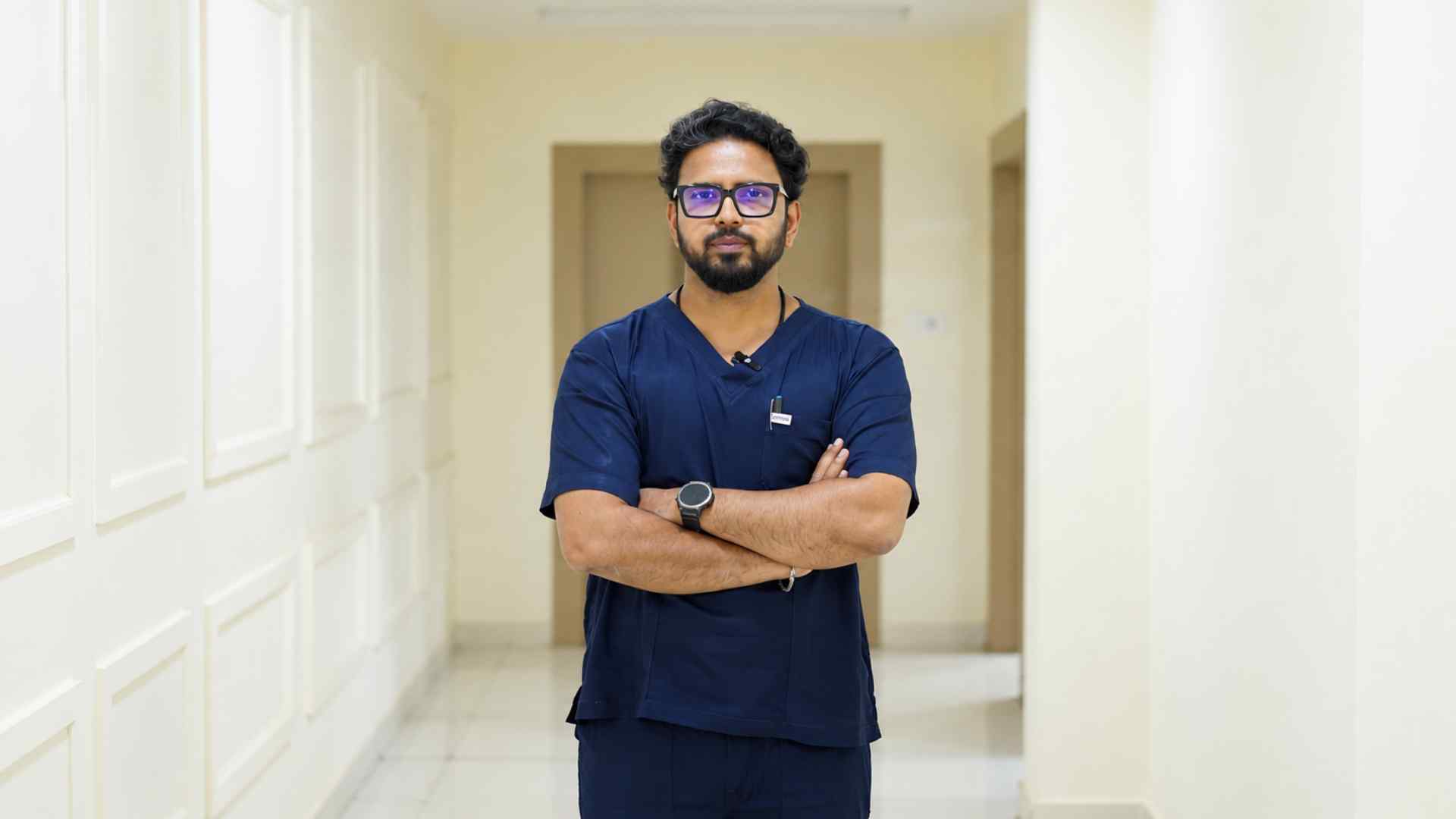
After years of struggle, he sought treatment at Wockhardt Hospitals, Mumbai Central, where Dr. Manish Baldia, Consultant – Functional Neurosurgery, recommended a specialised awake lesioning procedure.
Unlike conventional brain surgeries, this minimally invasive technique is performed with the patient awake, allowing real-time feedback. During the procedure, the patient was asked to write, hold a spoon and simulate mouse movements—the very tasks that triggered his symptoms. This enabled the surgical team to precisely identify and correct the overactive brain circuits responsible for the disorder.
“Awake functional neurosurgery allows us to directly observe improvement during the procedure itself, ensuring accuracy while preserving normal brain function,” said Dr. Manish Baldia.
The improvement was immediate. Within hours, the abnormal hand posturing reduced significantly. By the next day, the patient could hold a pen confidently, write smoothly and use a computer mouse comfortably for the first time in eight years. He returned to work soon after, resuming a normal professional and personal life.
Dr. Baldia noted that the procedure is safe, minimally invasive and often performed as a day-care surgery, offering long-term relief for selected patients with Writer’s Cramp, Musician’s Cramp and other focal dystonias when conservative treatments fail.
The case highlights Wockhardt Hospitals Mumbai Central’s expertise in advanced functional neurosurgery, where precision medicine and patient-centred care come together to restore not just movement, but confidence and control over






.jpeg)
.jpg)
.jpg)
.jpg)
.jpg)
.jpg)
.jpg)


.jpg)
.jpg)
.jpg)
.jpg)
.jpg)
.jpg)