 Thursday, October 08, 2026
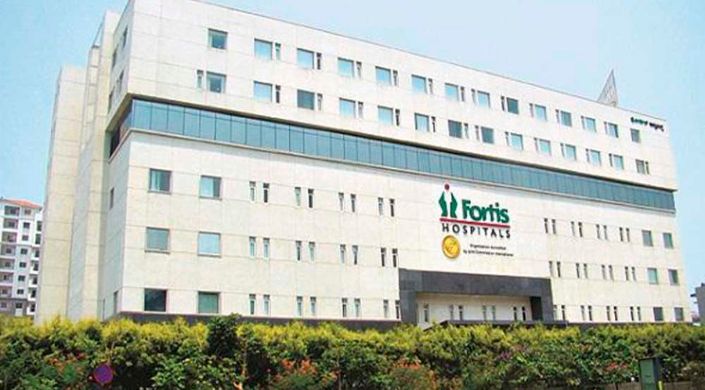
 A landmark achievement where surgical preparedness and precision enabled a life-saving procedure.




Bengaluru, 25th November 2025: In a landmark achievement, Fortis Hospital, Bannerghatta Road, Bengaluru, successfully performed Karnataka’s first ever robot-assisted deceased adult donor kidney transplant. The complex surgery carried out on a 68-year-old patient, marks a crucial medical breakthrough in deceased donor transplants, as robot-assisted kidney transplants are far less common than conventional kidney transplants and demand rapid coordination to ensure organ viability.
The recipient, Mr. Kiran, a 68-year-old gentleman from Bengaluru, with a history of diabetes and hypertension, had been suffering from stage V chronic kidney disease, on hemodialysis and was awaiting a suitable donor match. Typically, robot-assisted kidney transplants are carried out only for living donors, as the procedure demands detailed preoperative planning, specialized robotic setup, and calibrated instrumentation. On the other hand, deceased donor transplants are performed through the conventional open method, since the surgery must be completed within a very short window after the donor is declared brain-dead, leaving no time for robotic preparation.
However, in this exceptional case, clinical readiness aligned seamlessly with opportunity. The robotic operation theatre at Fortis Hospital, Bannerghatta Road was already fully prepped for another robotic surgery when a suitable brain-dead donor kidney became available. Recognising the rare window, the surgical team acted swiftly and proceeded with a robot-assisted transplant, a first-of-its-kind achievement in Bengaluru. The complex, time-sensitive surgery was led by Dr. Mohan Keshavamurthy, Principal Director of Urology, Uro-Oncology, Uro-Gynaecology, Andrology, Kidney Transplant & Robotic Surgery, along with the multidisciplinary team comprising Urology, Nephrology, Intensive Care and Anesthesia.
Dr. Mohan Keshavamurthy, Principal Director of Urology, Uro-Oncology, Uro-Gynaecology, Andrology, Kidney Transplant & Robotic Surgery at Fortis Hospitals, Bengaluru, said, “This surgery represents a rare convergence of preparedness, precision, and technology. Deceased donor kidney transplants are time-critical, and it is uncommon to attempt them robotically. However, since the robotic OT was already prepped, our team could capitalize on that readiness to perform transplantation robotically. This approach not only minimized surgical trauma and blood loss but also ensured faster recovery for the patient. It is a proud moment for Bengaluru’s medical fraternity and a testament to the surgical excellence at Fortis.”
Dr. Manjunath S, Senior Consultant – Nephrology & Transplant Physician, Fortis Hospital, Bannerghatta Road, Bengaluru, added, “In kidney transplantation, every minute counts once the donor organ is available. Performing a robotic transplant in a deceased donor scenario requires exceptional coordination and clinical confidence. This success demonstrates how technology, teamwork, and timely decision-making can come together to push the frontiers of transplant medicine. Such advancements will pave the way for safer, more efficient, and patient-friendly transplants in the future.”
Dr Thejaswini Parthasarathy, Facility Director, Fortis Hospital, Bannerghatta Road, Bengaluru, said, “This milestone highlights the importance of preparedness and multidisciplinary teamwork. The ability to convert a time-sensitive deceased donor opportunity into a successful robotic transplant speaks volumes about our team’s coordination and clinical judgement. Above all, it translates into better outcomes and quicker recovery for patients, which is what matters most. We remain committed to advancing healthcare through innovation that directly benefits patients.”





.jpeg)










.jpg)
.jpg)
.jpg)
.jpg)
.jpg)
.jpg)


.jpg)