 Thursday, October 08, 2026
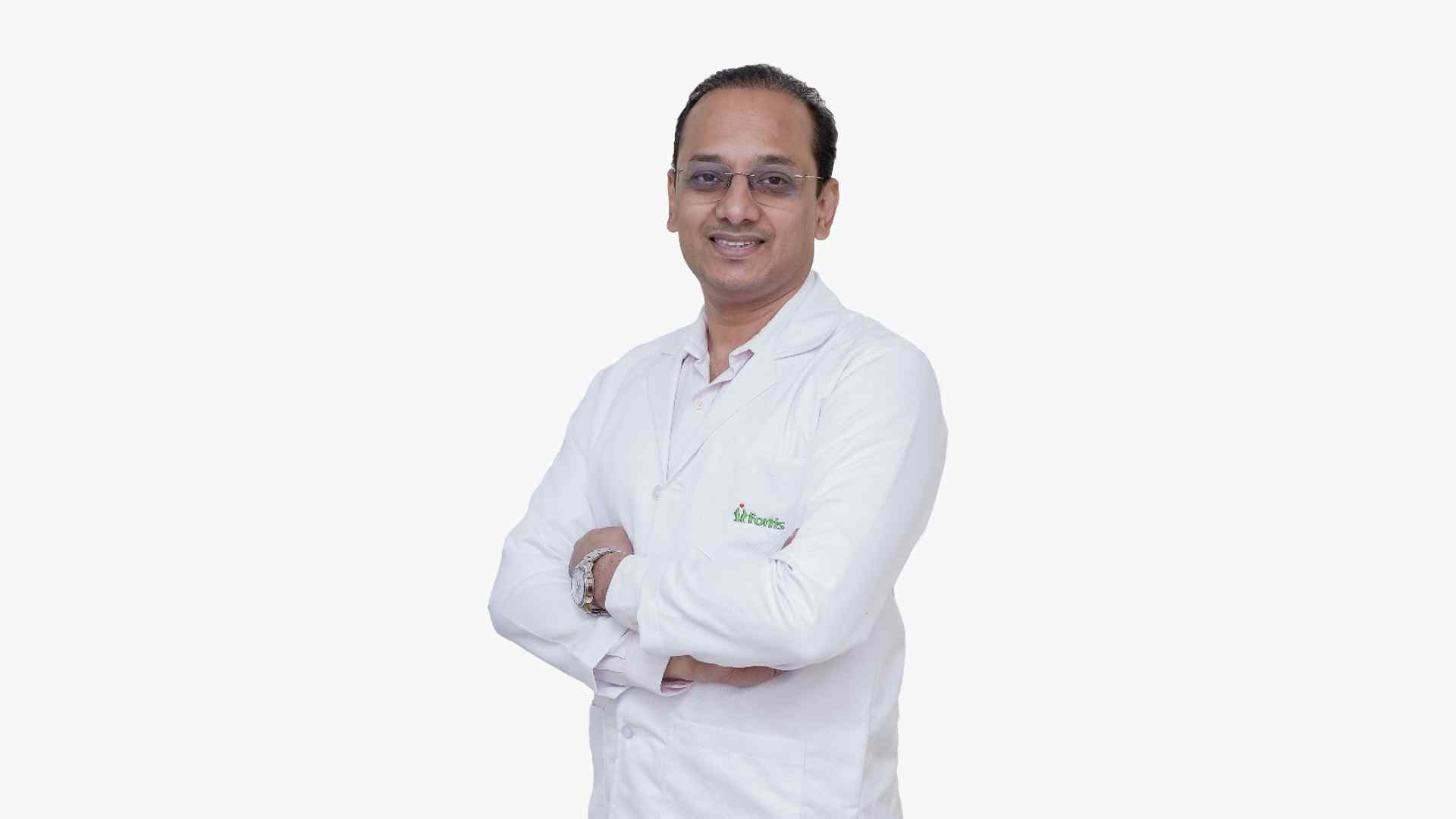
 Doctors at Fortis Hospital, Nagarbhavi successfully treated two highly complex kidney stone cases involving patients at opposite ends of the age spectrum, a four-year-old girl diagnosed with rare bilateral kidney stones and a 60-year-old man suffering from complex multi-stone disease affecting both kidneys.




Bengaluru, 30 June 2026: Doctors at Fortis Hospital, Nagarbhavi successfully treated two highly complex kidney stone cases involving patients at opposite ends of the age spectrum, a four-year-old girl diagnosed with rare bilateral kidney stones and a 60-year-old man suffering from complex multi-stone disease affecting both kidneys. Despite the significant differences in age and clinical presentation, both patients underwent advanced minimally invasive interventions and recovered well, underscoring Fortis Hospital Nagarbhavi's expertise in managing complex urological conditions across all age groups. The procedures were successfully performed by Dr. Prem Kumar K, Additional Director – Urology, and Dr. Vishal, Consultant – Urology, Fortis Hospital Nagarbhavi, Bengaluru.
The four-year-old girl presented to Fortis Hospital Nagarbhavi with persistent fever and vomiting. Detailed clinical evaluation revealed Bilateral Renal Calculi, an extremely rare condition characterized by the presence of kidney stones in both kidneys, an uncommon condition accounting for only 5-10% of the pediatric kidney stone cases globally. Given her young age and the complexity of the condition, the case required specialized pediatric urological intervention.
She first underwent a Mini Percutaneous Nephrolithotomy (Mini-PCNL) with laser lithotripsy, a minimally invasive procedure used to break and remove stones from her left kidney. A few days later, the doctors performed a similar procedure on her right kidney to achieve complete stone clearance. To facilitate healing and ensure unobstructed urine flow, temporary internal stents were placed in both kidneys. Follow-up evaluation confirmed successful stone clearance, normal urinary function, and an uneventful recovery. The child was discharged the following day in a stable condition.
In the second case, the 60-year-old man presented with persistent sharp pain in the lower back. Following a detailed evaluation, doctors identified multiple kidney stones involving both kidneys. The medical team initially performed a minimally invasive procedure to remove stones from the left kidney, followed by the placement of temporary internal stents to facilitate urine drainage and support healing. During a follow-up assessment nearly 20 days later, a significant stone burden was identified in the right kidney. The patient subsequently underwent a second-stage Percutaneous Nephrolithotomy (PCNL), a minimally invasive procedure in which the kidney is accessed through a small incision to fragment and remove the stones. A temporary stent was again placed to aid recovery. The patient recovered well and was discharged in a stable condition within three days.
Giving details of the cases, Dr. Prem Kumar K, Additional Director – Urology, Fortis Hospital, Nagarbhavi said, “While kidney stones are commonly associated with adults, they can affect children as well, and their management requires entirely different considerations. Treating a four-year-old child with stones in both kidneys demands exceptional precision and careful planning to protect developing kidneys, while managing extensive stone burden in older adults often requires a staged approach to ensure safety and complete clearance. In both cases, minimally invasive procedures enabled us to achieve excellent clinical outcomes with minimal pain, reduced hospital stay, faster recovery and maximum preservation of kidney function. “
Dr. Vishal, Consultant – Urology, Fortis Hospital, Nagarbhavi said, “Advancements in endourology have transformed the way kidney stones are treated today. Procedures such as Mini-PCNL, PCNL and RIRS allow us to manage even complex and bilateral stone disease with high precision and significantly less surgical trauma compared to traditional approaches. These cases reinforce the importance of timely diagnosis and intervention, especially in children where untreated stones can potentially impact kidney development and long-term health."
Mr. Ratheef Naik, Facility Director, Fortis Hospital, Nagarbhavi said, “The successful treatment of these complex cases reflects the advanced clinical capabilities and minimally invasive surgical capabilities available at Fortis Nagarbhavi. Managing rare bilateral kidney stones in a four-year-old child alongside extensive stone disease in an older adult demonstrates our ability to deliver specialised, patient-centric care across all age groups. Such outcomes reinforce our commitment to combining clinical excellence with advanced technology to achieve the best possible results for our patients.”






.jpeg)










.jpg)
.jpg)
.jpg)
.jpg)
.jpg)
.jpg)


.jpg)