Tuesday, October 27, 2026
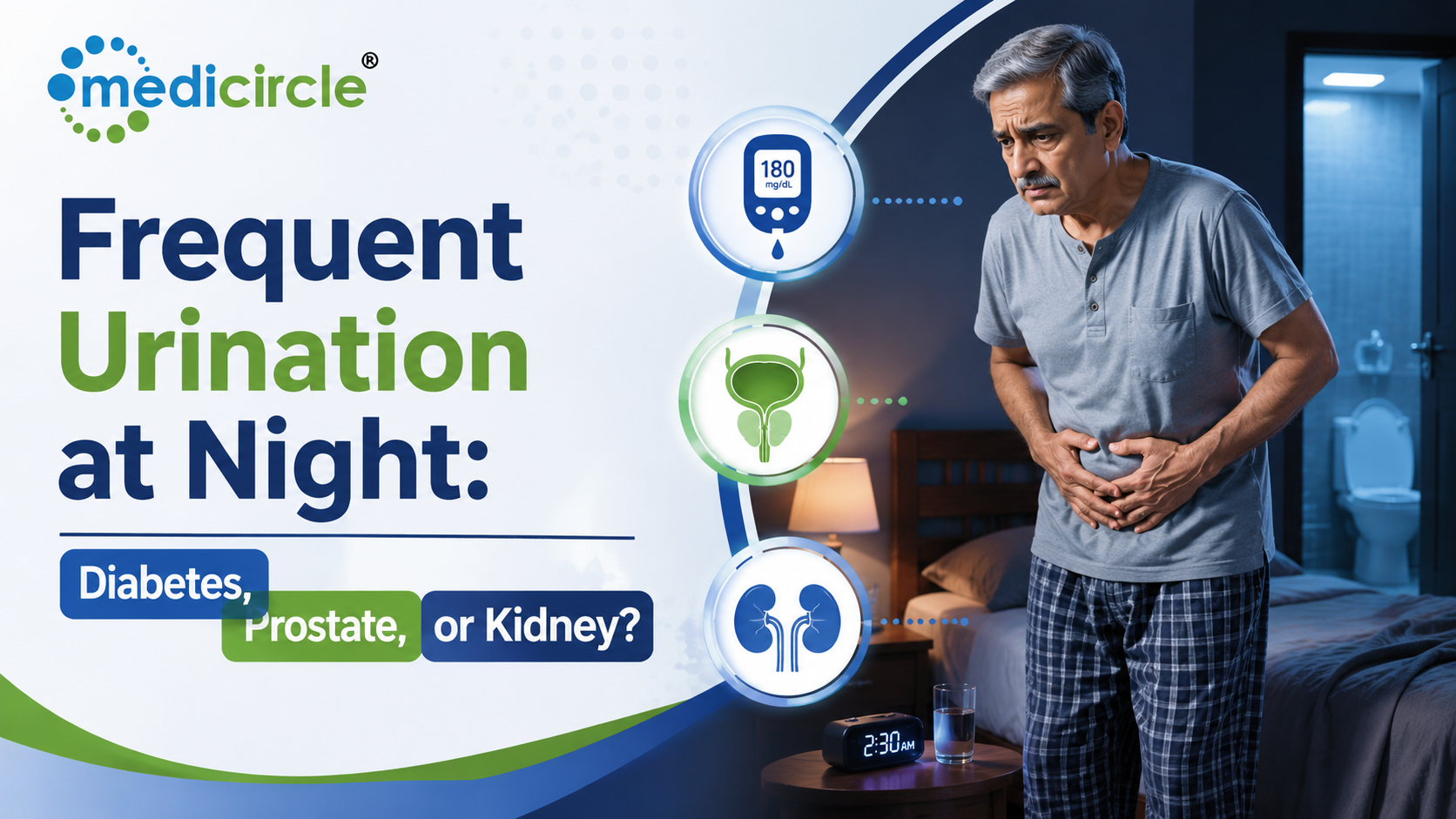
 Frequent nighttime urination is a key warning sign for underlying medical conditions like diabetes, prostate enlargement, or kidney decline. Identifying these symptoms early allows for timely medical interventions.




Frequent Urination at Night: Diabetes, Prostate, or Kidney?
Broken sleep is deeply frustrating for individuals. While getting up once a night to use the bathroom is relatively normal, having to do it three, four, or more times is a completely different story. In the medical world, this chronic sleep disruption is called nocturia. It is far more than a minor annoyance. This condition is a pathological pattern that leaves you waking up exhausted, struggling to focus, and physically drained before your day even begins. Frequent urination at night is a widespread concern that directly impacts sleep quality and daytime productivity.
Across India, there is a common misconception that a weak bladder is just a natural consequence of growing older or a penalty for having a glass of water before turning in for the evening. While your evening lifestyle choices certainly matter, a frequent urge to urinate at night is often the early alert system of your body. It is a clear sign that something within your internal chemistry or anatomy requires a much closer look.
Because our urinary system is deeply interconnected with other vital organs, tracking down the root cause of this symptom takes some detailed investigation. Most cases of persistent nighttime urination point toward three common health conditions, which are diabetes mellitus, an enlarged prostate, or reduced kidney function. Recognizing how these underlying issues influence your body is the first major step toward fixing your sleep and protecting your health.
The Natural Sleep Rhythm
To understand why frequent bathroom trips are a red flag, it helps to look at how your body is supposed to work while you rest. During a normal, healthy sleep cycle, your brain releases antidiuretic hormone. This specific hormone signals your kidneys to slow down and concentrate your urine. Under ideal circumstances, this process reduces the overall fluid volume so your bladder can easily hold it until you wake up in the morning.
When something interferes with this internal clock, the system fails completely. Nocturia typically develops from one of two issues. Either your bladder loses its physical capacity to hold a normal amount of fluid, or your kidneys are working overtime and producing far too much urine while you try to sleep. Acknowledging that this is a systemic medical shift rather than a simple bad habit is why early clinical awareness is so vital. Catching these changes early prevents minor symptoms from turning into severe health crises.
High Blood Sugar Link
When a patient reports frequent urination at night, healthcare professionals almost always check for diabetes mellitus right away. Given the rising rates of type 2 diabetes across India, this single symptom often serves as an unexpected early warning sign of high blood sugar. The root cause comes down to an overload of glucose in your bloodstream.
|
Stage |
Biological Process |
Systemic Effect |
|---|---|---|
|
1. High Blood Glucose |
Unmanaged sugar builds up heavily in the bloodstream. |
Overwhelms the filtration capacity of the kidneys. |
|
2. Osmotic Diuresis |
Excess sugar cannot be reabsorbed and spills into the urine. |
The surplus glucose pulls extra water from body tissues like a sponge. |
|
3. Frequent Urination |
The bladder fills up rapidly and repeatedly, even during sleep. |
Triggers severe dehydration and a state of intense, unquenchable thirst. |
When diabetes goes undiagnosed or unmanaged, glucose builds up heavily in the blood. Your kidneys naturally try to filter out this excess sugar, but they quickly become overwhelmed. Once blood sugar crosses a certain threshold, the kidneys can no longer reabsorb it, and the surplus glucose spills directly into your urine.
Because sugar inherently attracts water, it acts like a sponge, drawing fluid out of your bodily tissues and dumping it straight into your bladder. This process creates a high volume of watery urine, medically known as polyuria. Because your metabolism never sleeps, this cycle continues all night long. Your bladder fills up rapidly, forcing you awake. To make matters worse, losing all this fluid leaves you severely dehydrated. This triggers an intense, unquenchable thirst, leading you to drink more water late into the evening and unintentionally accelerating the entire cycle.
Enlarged Prostate Signs
For men over the age of fifty, frequent nighttime bathroom trips are frequently tied to structural changes near the bladder. The most common diagnosis is Benign Prostatic Hyperplasia, which is simply a non-cancerous enlargement of the prostate gland.
Urinary Pathway Pressure
The prostate gland starts out roughly the size of a walnut, sitting directly below the bladder and wrapping completely around the urethra, which is the tube that drains urine from the body. As men age, standard hormonal shifts can cause this gland to expand. Because it is boxed in by surrounding tissues, it grows inward, pinching the urethra like a squeezed garden hose.
Bladder Muscle Strain
This physical blockage means your bladder has to squeeze significantly harder to force urine out. Over time, this constant strain irritates the bladder muscle, making it thick and overly sensitive. Eventually, even a tiny drop of urine can trigger a sudden, intense sensation that you need to go right away.
Furthermore, because the pathway is obstructed, the bladder rarely empties all the way when you use the restroom. This leftover fluid means your bladder hits its maximum capacity again much faster than it used to. The result is a repeating cycle of waking up all night, often accompanied by a weak, hesitant, or stuttering urine stream.
Chronic Kidney Disease
Your kidneys serve as the dedicated filtration plants of your body, cleaning your blood, balancing fluids, and removing waste while recycling essential nutrients. When kidney function begins to slip, their basic ability to concentrate your urine drops significantly.
|
Healthy Renal Function |
Compromised/Damaged Function |
|---|---|
|
Responds properly to nighttime hormones |
Struggles to concentrate urine effectively |
|
Conserves water during periods of rest |
Flushes out highly dilute fluid continuously |
|
Produces a low volume of dark, concentrated urine |
Produces a high volume of pale, watery urine |
|
Promotes a restful, uninterrupted sleep cycle |
Fills the bladder rapidly and disrupts sleep |
In the early phases of Chronic Kidney Disease, the tiny filtering units within the kidneys lose their efficiency. While healthy kidneys naturally produce a minimal amount of highly concentrated urine overnight, damaged kidneys lose the ability to hold water back. Instead, they continuously produce large amounts of thin, dilute urine all through the night.
This symptom is an important clinical indicator that your body is struggling to manage its fluid levels properly. Because kidney changes rarely cause physical pain early on, noticing a sudden, unexplained uptick in nighttime bathroom trips is a critical cue to schedule a comprehensive kidney checkup.
Spotting the Differences
While frequent urination is the shared symptom across all three conditions, paying attention to the other changes in your daily health can help you figure out what might be going on.
- Diabetes Clues: If elevated blood sugar is the culprit, you will likely notice a package of related symptoms. These include an unquenchable thirst, feeling constantly wiped out despite sleeping, unexpected weight loss, blurred vision, and cuts or scratches that take a long time to heal.
- Prostate Clues: If the prostate is the problem, the issues are almost entirely mechanical and limited to the bathroom. Look out for a weak or dribbling stream, struggling to get the flow started, a feeling that you are not actually empty when you finish, and a sudden urgency that gives you very little warning.
- Kidney Clues: If your kidneys are under stress, you may notice fluid building up elsewhere in your body, causing puffiness around your eyes or swelling in your feet and ankles. You might also notice your urine looks unusually frothy or foamy, or experience a lingering metallic taste in your mouth.
Seeing a Doctor
It is vital to remember that waking up to pee is not a disease by itself. It is a clear message from your body that something deeper needs to be addressed. Simply ignoring it or trying to fix it by avoiding water altogether can mask a worsening underlying issue. Leaving these conditions unchecked can lead to serious health events, such as acute urinary blockage, severe diabetic complications, or long-term kidney failure.
Getting an accurate diagnosis is straightforward and starts with a quick medical consultation. A doctor will typically run a few baseline tests to get a clear picture of your health. These usually include a fasting blood sugar test or an HbA1c panel for diabetes, a routine urine analysis to check for infections or protein markers, and a quick ultrasound of your bladder and kidneys to measure your prostate size and see if your bladder is emptying fully. Listening to these early warning signs is the best way to safeguard your long-term health.
Frequently Asked Questions
Could my nighttime urination just be from drinking water before bed?
Having a large beverage right before sleep might wake you up once, but it should not cause you to get up multiple times every single night. If you cut back on fluids a few hours before bedtime and your symptoms do not improve, it is a sign that something else is going on.
Is waking up to pee multiple times just a normal part of getting older?
While our bladder capacity changes slightly as we age, routinely breaking your sleep to use the bathroom is not something you have to accept as normal. It almost always points to highly manageable health conditions like early blood sugar shifts or prostate growth.
Can a Urinary Tract Infection cause nocturia?
Yes, an infection can cause a sudden, frequent need to urinate at night. However, a Urinary Tract Infection usually comes with distinct signs like a sharp burning sensation when you pee, cloudy or strong-smelling urine, and lower pelvic pain that appears very suddenly.
How do doctors figure out if the root cause is my kidneys or diabetes?
They use simple, definitive blood and urine tests. High glucose or HbA1c levels confirm diabetes, while looking for markers like elevated creatinine in your blood or protein leakage in your urine points directly to a kidney issue.
Conclusion
Needing to use the restroom frequently at night is far more than an annoying interruption to your sleep. It is a direct window into your internal health. Whether your body is responding to blood sugar shifts from diabetes, structural pressure from an enlarged prostate, or a drop in kidney filtration efficiency, the symptom is a call for balance.
Taking this signal seriously means looking past the immediate frustration of being tired and dealing with the root cause early. Prioritizing a proper evaluation with a healthcare professional gives you the tools and clarity needed to manage these conditions effectively. Staying informed and taking action on subtle physical changes is always the most reliable path to reclaiming your sleep and protecting your health.





-23-300x250.png)

.jpeg)






.jpg)
.jpg)
.jpg)
.jpg)
.jpg)
.jpg)
.jpg)
.jpg)
.jpg)