Tuesday, October 06, 2026
 CARE Hospitals, Malakpet Gives 67-Year-Old a Second Chance to Walk.




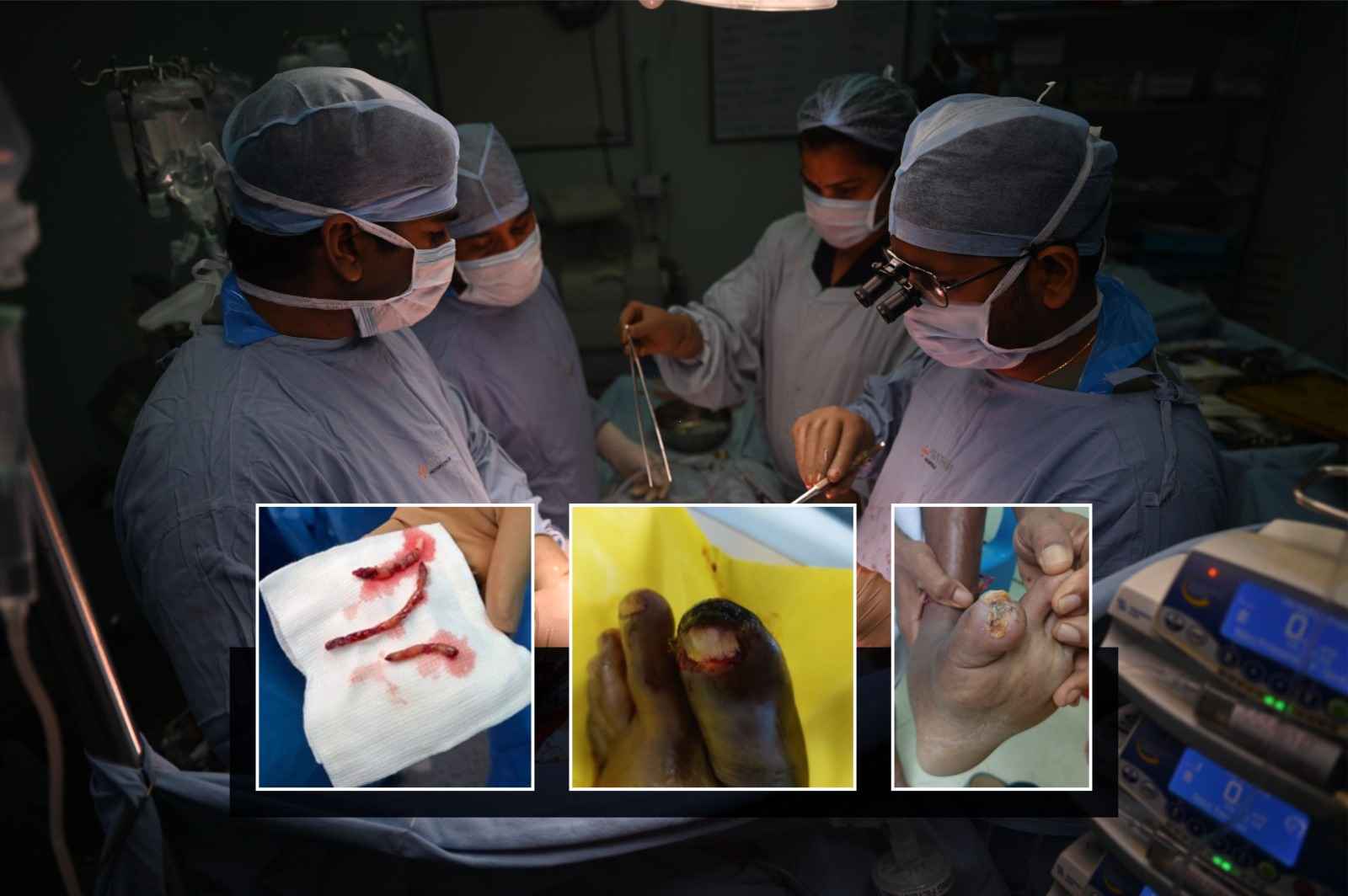
Hyderabad, 17th January, 2026: What was expected to end in a below-knee amputation instead became a powerful story of limb salvage and renewed hope. As doctors at CARE Hospitals, Malakpet successfully saved the right leg of Mr. Venkanna (Name changed), 67-year-old man from Tirupati suffering from recurrent arterial thrombosis and gangrenous changes.
The patient presented with severe pain in the right lower limb and blackish discoloration of the great toe for five days, with a medical history revealing similar complaints two months earlier. He had previously been diagnosed with thrombosis of the superficial femoral artery (SFA) with complete blockage of blood flow and had undergone thromboembolectomy surgery at a hospital in Tirupati. Despite regular medication and follow-ups, his symptoms did not improve and gradually progressed to gangrene of the toe.
Peripheral Vascular Disease (PVD) of the lower limbs, a condition affecting blood flow to the legs, is most commonly seen in smokers and individuals with long-standing lifestyle and metabolic risk factors. Experts note that smoking, poor diet, physical inactivity, and medical conditions such as diabetes, high blood pressure, and high cholesterol significantly increase the risk of arterial blockages, delayed wound healing, and limb-threatening complications.
A repeat CT peripheral angiography showed recurrent thrombosis in the distal SFA with no blood flow beyond the blockage. After consulting multiple hospitals, the patient was advised below-knee amputation, a common outcome in such recurrent and limb-threatening vascular conditions.
Unwilling to give up hope, the patient approached CARE Hospitals, Malakpet for a second opinion. After detailed evaluation, the CTVS team decided to attempt a revision thromboembolectomy, a complex procedure that is often avoided due to high risk and poor outcomes.
During surgery, restoration of distal blood flow was successfully achieved and confirmed intraoperatively using C-arm imaging and contrast dye. The patient had a smooth post-operative recovery and was discharged in stable condition on the 6th day, with a healthy surgical wound.
At one-month follow-up, the gangrenous wound of the great toe had healed well, and the patient was able to walk without pain, successfully avoiding amputation.
The patient Expressed, “After being told at several hospitals that my leg had to be amputated, I had almost lost hope. Today, I can walk again without pain. I am deeply grateful to the doctors at CARE Hospitals for saving my leg and my independence.”
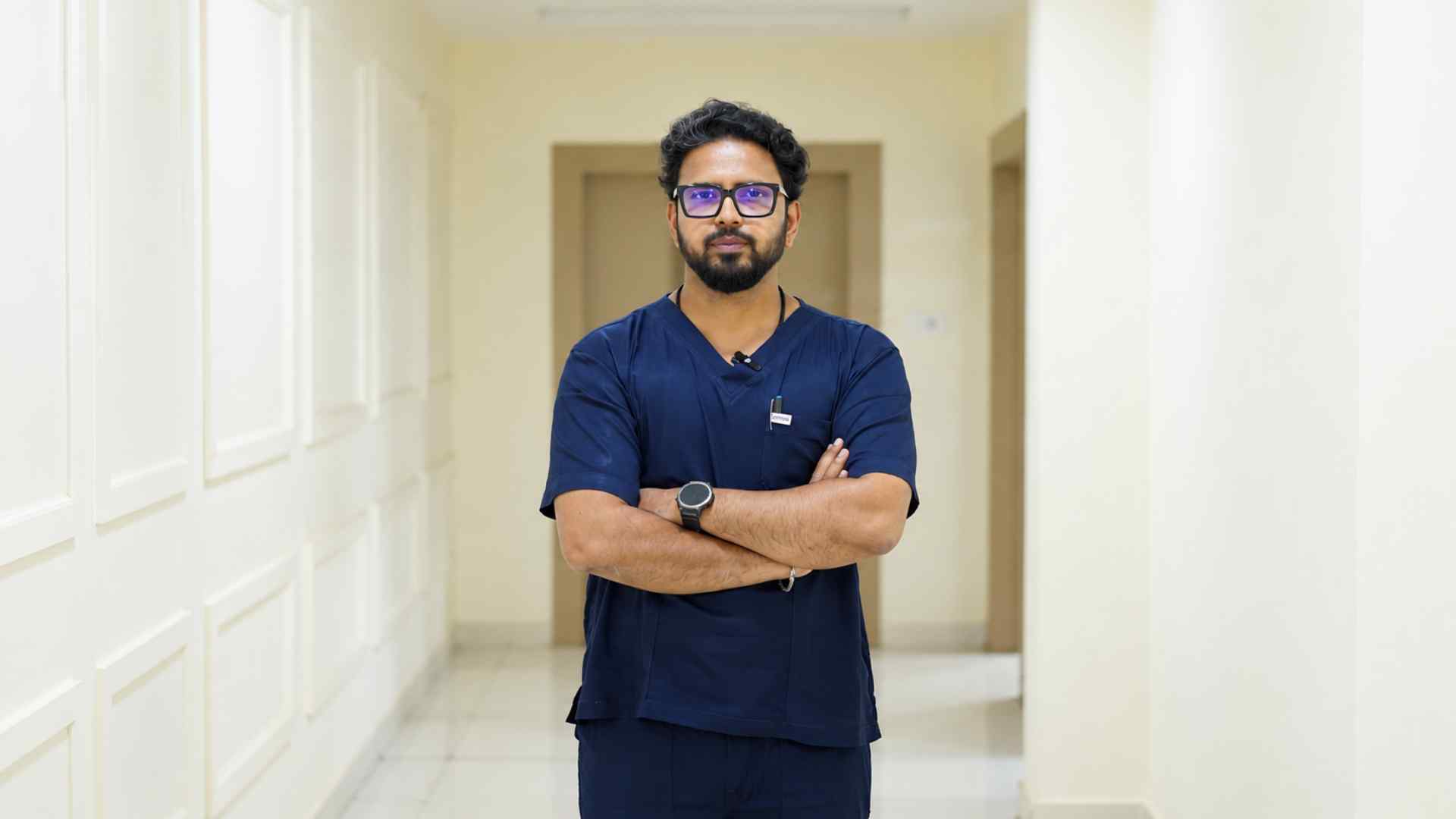
Sharing the clinical perspective, Dr. Sudheer Gandrakota, Senior Cardiothoracic and Vascular Surgeon, CARE Hospitals, Malakpet, said, “Recurrent thrombosis of the superficial femoral artery with critical limb ischemia is a serious condition, and many patients eventually lose their limb due to delayed referral or limited treatment options. In this case, timely revision surgery and precise intraoperative assessment helped restore blood flow and salvage the limb.”
Highlighting the hospital’s approach, Mr. Praveen Kumar Edla, Chief Operating Officer, CARE Hospitals, Malakpet, added, “Limb salvage is not just a medical success—it directly impacts a patient’s quality of life, mobility, and dignity. This case reflects CARE Hospitals’ commitment to advanced vascular care, clinical excellence, and patient-first decision-making.”
With peripheral arterial disease and vascular complications on the rise in India, particularly among elderly and diabetic patients, experts stress the importance of early diagnosis and timely referral to specialized vascular centres to prevent avoidable amputations.






.jpeg)
.jpg)
.jpg)
.jpg)
.jpg)
.jpg)
.jpg)


.jpg)
.jpg)
.jpg)
.jpg)
.jpg)
.jpg)