 Saturday, November 21, 2026
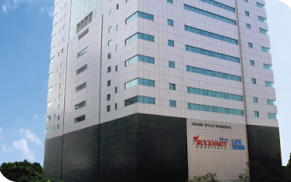
 What initially seemed like exam stress and screen fatigue turned out to be a life-threatening condition for a 16-year-old HSC student from Mumbai.





Mumbai, October 2025: What initially seemed like exam stress and screen fatigue turned out to be a life-threatening condition for a 16-year-old HSC student from Mumbai. After months of persistent headaches, her family was shocked to discover that she had a major brain bleed. The cause: a dangerously high International Normalized Ratio- a blood test indicating her blood was too thin due to long-term anticoagulant medication prescribed following a childhood heart surgery.
The teenager was rushed to Wockhardt Hospitals, Mumbai Central, where Dr. Rituja Ugalmugle, Consultant Internal Medicine, immediately recognised the red flags. A scan confirmed the worst — a massive brain hemorrhage with midline shift, putting her at imminent risk of coma or death.
“She came to us just in time. A few more days’ delay, and the outcome could’ve been irreversible,” said Dr. Ugalmugle.
Given the severity, an emergency craniotomy was performed by Dr. Mazda Turel, Consultant Brain & Spine Surgeon,Wockhardt Hospitals, Mumbai Central. The complex procedure involved removing the clot and relieving pressure on the brain.
“Operating on such a young patient with a large hemorrhage is always high-stakes. The key was timely intervention removing the clot before it caused irreversible brain damage,” said Dr. Turel.
Following surgery, the teenager spent three weeks in intensive care and physiotherapy, making a remarkable recovery.
The family, from a modest background, had initially dismissed her headaches as exam stress, new spectacles, or excess screen time.
This case is a powerful reminder: never skip follow-ups on long-term medication. Ignoring symptoms like persistent headaches can have life-threatening consequences, especially in children with pre-existing conditions. Regular monitoring of blood levels and prompt medical attention are crucial to preventing serious complications.





-23-300x250.png)




















