Tuesday, October 27, 2026

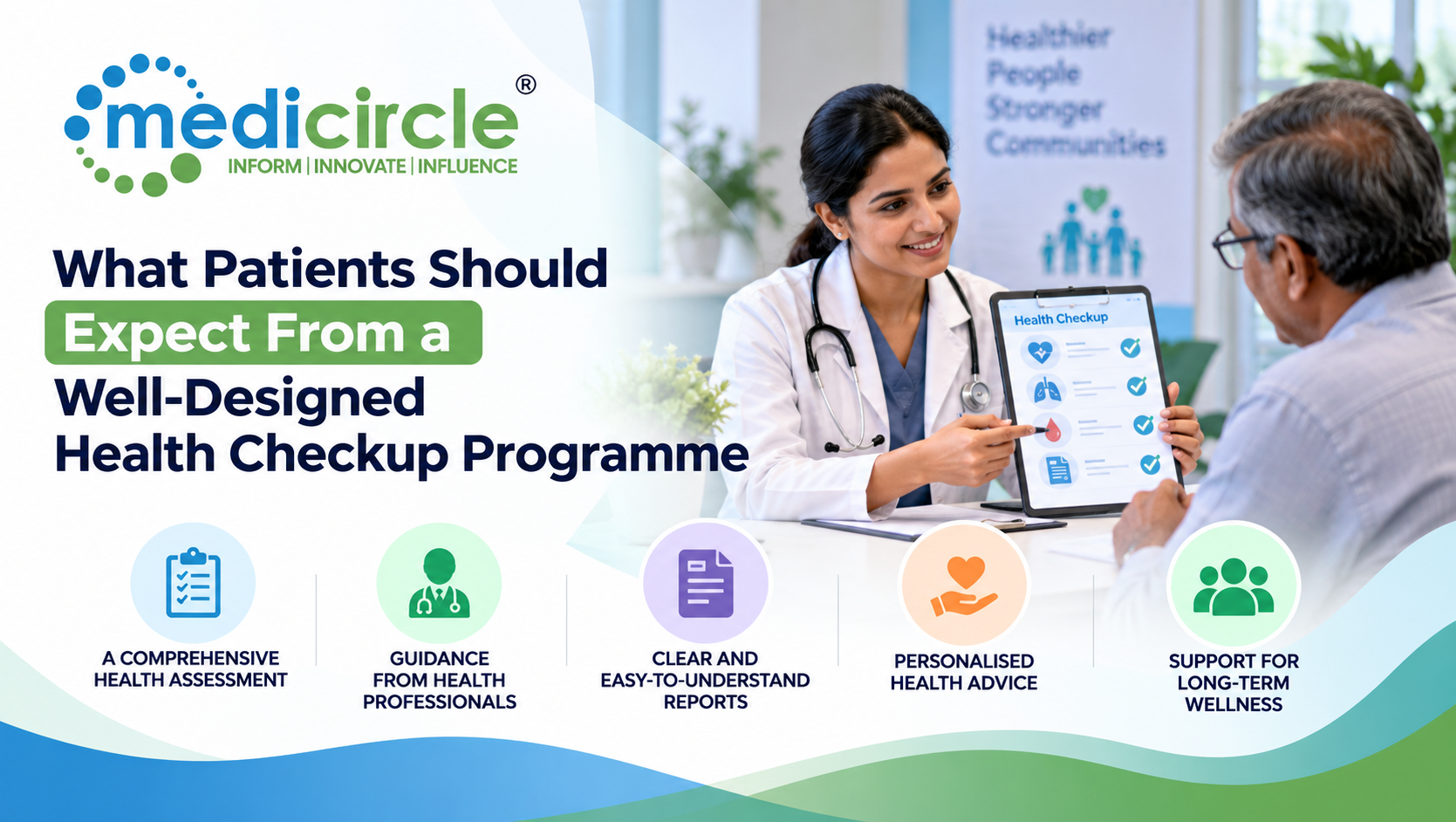
 An intentional full-body checkup helps prevent chronic lifestyle conditions, provided you prioritize core metabolic markers and avoid unindicated, hyper-specialized tests that cause unnecessary anxiety.




Smart Health Screenings: Which Annual Tests Do You Actually Need?
Preventive healthcare has shifted from an occasional medical recommendation to a mainstream lifestyle choice for health-conscious families across India. Today, a quick scroll through a digital health application or a brief visit to a local clinic presents an overwhelming menu of diagnostic options. Comprehensive health checkup packages promise ultimate peace of mind by bundling dozens of blood markers into a single, heavily discounted full-body checkup price. The prospect of catching a silent chronic health issue before it ever causes physical symptoms is incredibly reassuring to many individuals balancing busy modern routines.
However, a closer look at these diagnostic structures reveals an important dilemma for everyday patients. Does a higher number of lab tests always equal better healthcare management? While proactive medical monitoring is a cornerstone of long-term wellness, ordering a massive battery of random blood tests without a clear clinical justification can backfire. It frequently leads to overdiagnosis, intense personal anxiety, and subsequent invasive medical procedures that were never genuinely required. Navigating your choices wisely ensures you get the real benefits of modern preventive medicine without falling into the common marketing trap of unnecessary biological testing.
All-Inclusive Medical Bundles
Taking charge of your personal well-being requires a thoughtful, tailored approach rather than picking the largest commercial bundle available. Commercial diagnostic laboratories frequently group a vast array of distinct biological data points into single panels to make broad health screenings accessible and pocket-friendly for budget-conscious households. However, the true medical value of a routine wellness evaluation lies in its precision, not its sheer volume. A meaningful health screening must be tailored specifically to your exact age milestone, inherited family traits, unique background history, and daily nutritional habits.
When a completely asymptomatic individual undergoes highly specialized screening panels without matching clinical symptoms, the statistical probability of turning up a borderline, meaningless abnormality rises dramatically. These minor, harmless deviations from standard laboratory baselines often trigger an expensive domino effect of follow-up radiology scans, specialist consultations, or unnecessary medications. Later, after significant financial strain, you may discover that the variation was a perfectly natural physiological quirk for your body. Effective preventive care aims for targeted, intentional monitoring rather than casting an overly wide diagnostic net.
Core Health Checkups
A reliable preventive assessment focuses heavily on the primary life-support systems of the human body. These fundamental screenings monitor your metabolic efficiency, cardiovascular system, vital organ performance, and standard hematological levels. These specific areas are precisely where early intervention yields maximum preventative value for the average adult.
|
Body System |
Smart Essential Screenings |
Advanced Tests to Skip |
|
Metabolism and Blood |
HbA1c, Fasting Blood Sugar, Complete Blood Count |
Heavy Metal Screens, Random Cancer Biomarkers |
|
Heart Health |
Full Lipid Panel (LDL, HDL, Cholesterol) |
Routine CT Calcium Scoring, Advanced Panels |
|
Vital Organs |
Liver Function Test, Kidney Function Test |
Pancreatic Enzyme Checks, Hormone Cascades |
Cardiovascular Health Metrics
Heart wellness remains a top priority for adult health management due to rising cardiac risks. A standard lipid profile measures key components like total cholesterol, high-density lipoprotein, low-density lipoprotein, and triglycerides. This basic panel offers a highly accurate look at your vascular condition and arterial plaque health. Tracking these baseline numbers over time allows for simple dietary changes and lifestyle shifts that drastically reduce the risk of future cardiovascular issues.
Blood Sugar Efficiency
Catching metabolic changes early relies on clear, consistent blood sugar tracking rather than waiting for physical fatigue to set in. While a fasting glucose test shows your blood sugar at one exact moment in time, an HbA1c test provides a comprehensive look at your average blood sugar levels over the past ninety days. Because insulin resistance and metabolic changes develop quietly over several years, keeping a close eye on your HbA1c levels helps identify prediabetic trends early enough to reverse them through lifestyle choices.
Vital Organ Functionality
Assessing the health of your internal detoxification systems comes down to a few core chemical markers that tell a clear physiological story. A Liver Function Test monitors specific liver enzymes like serum glutamic oxaloacetic transaminase and alanine transaminase. Elevated readings are incredibly common today and often serve as an early warning sign for fatty liver changes brought on by modern urban dietary habits. Concurrently, a Kidney Function Test evaluates how well your kidneys are filtering waste by measuring blood urea nitrogen and serum creatinine. These checks are indispensable for anyone managing fluctuating blood pressure or blood sugar variations.
Nutritional Blood Health
A Complete Blood Count test serves as an informative, foundational check on your overall physical state. By evaluating hemoglobin, white blood cells, and platelets, it can pinpoint underlying anemias or chronic inflammatory responses. Alongside a standard blood count, checking your Vitamin D3 and Vitamin B12 levels is highly beneficial. Deficiencies in these two vital nutrients are incredibly widespread among the Indian population and directly impact bone strength, daily energy levels, and neurological health.
Tests You Can Skip
While foundational metabolic markers are universally beneficial, premium health checkup packages often include advanced tests that hold very little practical value for a low-risk individual showing no active symptoms.
Routine Cancer Biomarkers
Bundling specialized tumor markers like CA-125 or carcinoembryonic antigen into standard wellness packages is a frequent source of unnecessary panic. These specialized protein checks were developed by medical scientists to track how a patient is responding to ongoing cancer treatments, not to screen healthy populations.
Perfectly benign issues can easily cause these numbers to rise slightly above standard limits. Examples include minor localized inflammation, common fluid-filled cysts, or temporary metabolic shifts. This often triggers immense emotional distress and sends patients down a path of expensive, unnecessary imaging scans to rule out a disease they never had.
Advanced Heart Screenings
A standard resting electrocardiogram is an excellent, non-invasive baseline tool for detecting rhythm issues. However, adding complex diagnostics like a treadmill stress test or an automated CT coronary calcium scan to a routine package for a young, active adult with zero cardiac symptoms or family history is usually counterproductive. Minor, harmless variations on a stress test are often just normal physical quirks. Labeling these as abnormalities can lead to unnecessary anxiety and steer patients toward invasive cardiac procedures they do not need.
Hormone Screening Panels
Testing complete hormone panels without specific symptoms offers very little actionable insight for everyday health. This includes mapping multiple forms of estrogen, progesterone, or cortisol when you do not experience sudden weight shifts, severe chronic fatigue, or reproductive irregularities. Natural hormone levels fluctuate significantly throughout the day and during various life stages. Checking them without a specific clinical reason usually leads to confusion and unneeded, self-prescribed supplement routines.
Personalized Health Roadmaps
To get the most out of your annual health checkup, move away from rigid, one-size-fits-all packages. Instead, prioritize a structured strategy that aligns your diagnostic testing with your specific age milestone and personal risk factors.
Age Appropriate Milestones
- In Your Twenties: Keep the focus on a strong biological foundation. A basic baseline review every two to three years is perfectly adequate. This should cover a Complete Blood Count, standard lipid profile, fasting blood sugar, and a blood pressure check.
- From Your Thirties to Fifties: Shifting to an annual or biennial checkup schedule is highly effective. This is the ideal window to track minor adjustments in your HbA1c levels, liver and kidney function, and nutritional markers like Vitamin D3 and B12.
- Over the Age of Fifty: Comprehensive annual health reviews are strongly advised. In addition to standard blood chemistry, this stage of life warrants targeted screenings. These include colon health evaluations, bone density checks, and gender-specific screenings like mammograms or Prostate Specific Antigen tests.
Your Personal History
Your genetics and daily habits should shape your health screening checklist. A strong family history of early heart disease means you should monitor your lipid levels earlier and more frequently. A family history of diabetes makes tracking your HbA1c a top clinical priority. High-stress work environments, sedentary routines, or a history of tobacco use should also guide which specific areas you monitor closely each year.
The Doctor's Insight
The ultimate value of a full body checkup does not come from the laboratory printout. It comes from the clinical interpretation that follows. A laboratory report is just a collection of numbers on a page. It takes a qualified medical professional to connect those metrics to your actual physical state, lifestyle, and history.
A minor deviation that falls slightly outside a printed reference range is often a completely harmless quirk when looked at in the context of your overall health. On the flip side, a result that looks technically normal might actually reveal a steady, concerning trend when a doctor compares it to your checkups from previous years. For example, a gradual, year-over-year climb in fasting blood sugar signals a clear opportunity. Even if it technically stays inside the normal limit, it shows a need to make proactive lifestyle shifts before a real issue develops.
Conclusion
An intentional, well-planned preventive health checkup is an excellent investment in your long-term health. Prioritizing core metabolic markers, organ function panels, and cardiovascular basics gives you the actionable data you need to prevent chronic lifestyle conditions. At the same time, stepping away from unindicated, hyper-specialized tests saves you from the financial drain and emotional stress of false positives. True preventive care is not about running every test a laboratory offers. It is about working with a trusted professional to order the exact screenings your body needs to thrive.
Frequently Asked Questions
How frequently are full-body checkup tests required?
If you are under thirty, healthy, and have no significant family history of disease, a screening every two to three years is typically plenty. Between thirty and fifty, moving to a checkup every one to two years helps catch subtle lifestyle shifts early. Once you pass fifty, moving to comprehensive health checkup packages annually is the smartest approach.
Is fasting required for health checkup packages?
Yes, staying fasting for ten to twelve hours is vital for several primary blood tests to be accurate. Fasting blood glucose readings require you to be clear of recent meals to establish a true baseline. Similarly, triglyceride levels drop and rise significantly based on recent food intake, making an overnight fast essential for a reliable lipid profile reading.
Can a clear health report guarantee absolute wellness?
A normal health report is a great sign that your body is functioning well right now, but it is not a guarantee against future health events. Blood tests offer a precise snapshot of your biochemistry at one specific moment in time. Staying healthy over the long haul requires consistent lifestyle habits, paying attention to new physical symptoms, and staying on track with age-appropriate screenings.
An intentional full-body checkup helps prevent chronic lifestyle conditions, provided you prioritize core metabolic markers and avoid unindicated, hyper-specialized tests that cause unnecessary anxiety.





-23-300x250.png)

.jpeg)



.jpg)
.jpg)
.jpg)
.jpg)
.jpg)
.jpg)
.jpg)
.jpg)
.jpg)