Sunday, October 25, 2026
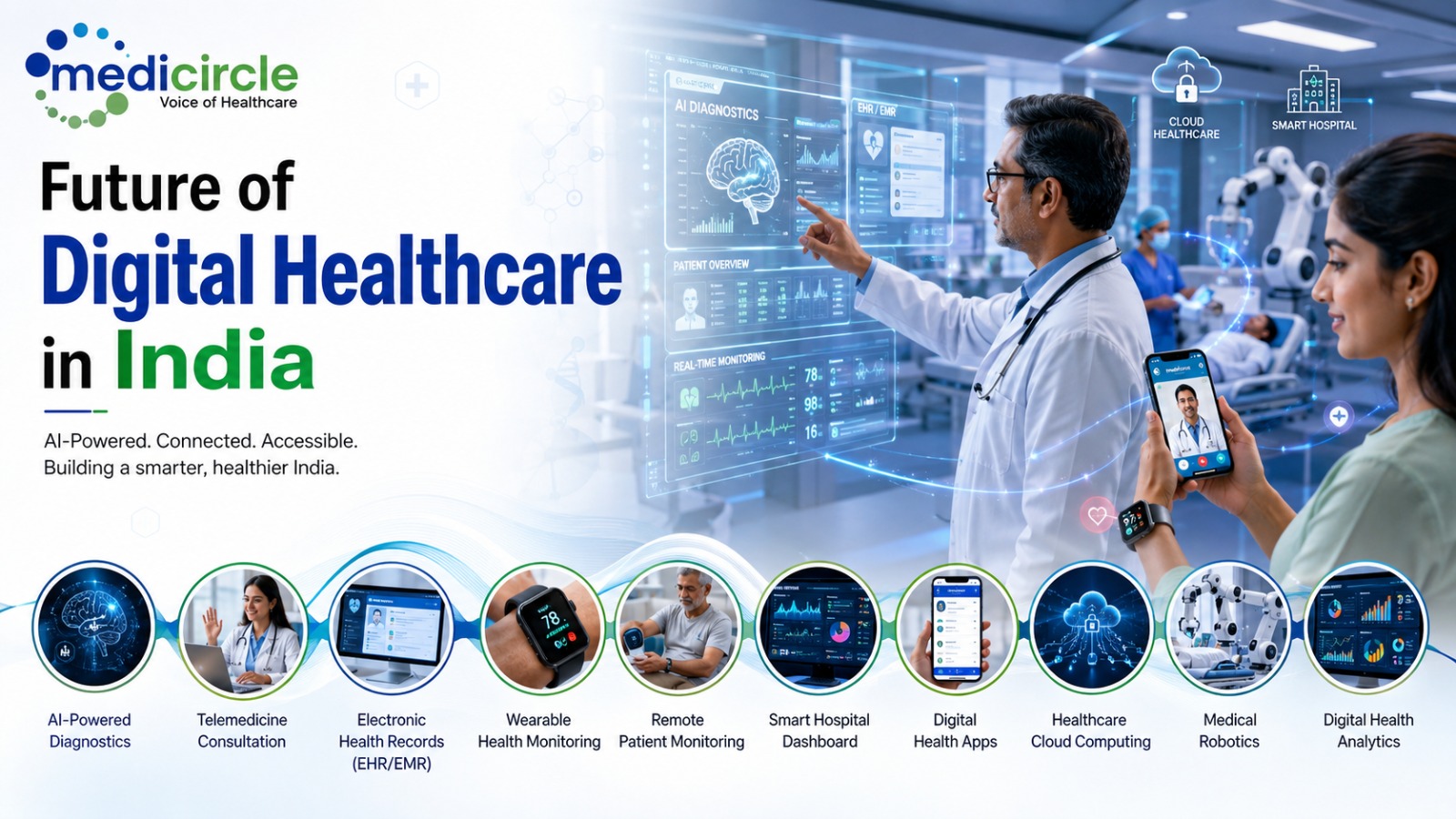
 India's digital healthcare transformation, driven by ABDM, telemedicine, and AI, is expanding access nationwide, though digital literacy and trust remain key challenges for genuine impact across rural India.




Future of Digital Healthcare in India: How Technology Is Rebuilding Patient Care
Introduction
India's healthcare system stands at an important turning point. A country of more than 1.4 billion people, with a doctor-to-population ratio of roughly 1 to 1511 according to NITI Aayog, cannot expand access through hospitals and specialists alone. Digital healthcare has emerged as the practical answer to this gap, and it is no longer a future possibility. It is already reshaping how patients consult doctors, how records are stored, and how chronic diseases are tracked between visits.
The shift is visible in the scale of adoption. The Ayushman Bharat Digital Mission has crossed 90 crore Ayushman Bharat Health Accounts as of 2026, according to the National Health Authority, making it one of the largest digital health identity systems anywhere in the world. Alongside this, the India telemedicine market is valued at approximately 4.48 billion US dollars in 2026 and is projected to grow at over 23 percent annually through 2031, as estimated by Mordor Intelligence. These numbers point to a healthcare system that is actively rebuilding itself around data, connectivity, and accessibility.
For patients in Tier 1 metros as well as smaller Tier 2 and Tier 3 towns, this transformation means shorter waiting times, easier access to specialists, and health records that travel with the person rather than staying locked in a single hospital's paper files. For doctors and hospitals, it means new tools for diagnosis, monitoring, and operational efficiency. This article examines where India's digital healthcare journey currently stands, what is driving it, and what patients and healthcare providers can genuinely expect in the years ahead.
Understanding India's Digital Health Ecosystem
Digital healthcare is not a single technology. It is a combination of systems working together, including electronic health records, telemedicine platforms, remote patient monitoring devices, mobile health applications, and increasingly, artificial intelligence tools that assist clinical decision-making.
At the centre of India's approach is the Ayushman Bharat Digital Mission, launched by the Ministry of Health and Family Welfare to create a connected digital health ecosystem. Its core building blocks include the Ayushman Bharat Health Account, a unique 14-digit health identity for every citizen, along with the Healthcare Professionals Registry, the Health Facility Registry, and the Unified Health Interface. Together, these systems are designed to let a patient's medical history, prescriptions, and lab results move securely between hospitals, clinics, and diagnostic centres, always with the patient's consent.
According to National Health Authority data, ABHA creation has grown consistently since the mission began, rising from 14.7 crore accounts in 2021 to over 90 crore in 2026. This pace of adoption mirrors the trajectory India saw with Aadhaar and UPI, suggesting that digital identity systems, once trusted, scale quickly across the population.
That said, adoption of the underlying technology and genuine day-to-day usage are two different things. Independent research, including a cross-sectional study published in BMC Health Services Research, has found that while ABHA registration is growing, actual usage of the health account in outpatient settings remains comparatively low, with notable gaps linked to digital literacy, awareness, and privacy concerns, especially among women, older adults, and those with limited formal education. This distinction matters. Building the infrastructure is only the first step. Ensuring that ordinary patients, including those in smaller towns, understand and trust the system is the harder and more important task ahead.
Telemedicine and the Shift Toward Remote Consultations
Telemedicine has moved from an emergency workaround during the COVID-19 pandemic to a mainstream part of how Indians access healthcare. The India telemedicine market was valued at close to 3.6 billion US dollars in 2025 and is projected to reach approximately 12.6 billion US dollars by 2031, according to Mordor Intelligence, growing at a compound annual rate above 23 percent.
Several factors are driving this. Cloud-based platforms now account for a large share of telemedicine infrastructure because they offer scalability and compliance features suited to national-level data volumes. Mobile health applications remain the most widely used format, reflecting how deeply smartphone-based healthcare has embedded itself into daily life, particularly among younger, tech-comfortable users. Government-backed platforms such as eSanjeevani have also played a significant role, connecting patients in Health and Wellness Centres with specialist doctors located far away, and enabling doctor-to-doctor consultations that would otherwise be impossible in remote areas.
For patients managing chronic conditions such as diabetes, hypertension, or cardiovascular disease, telemedicine offers a practical way to stay in touch with a doctor without repeated hospital visits. It reduces travel costs, shortens waiting times, and, when used consistently, tends to improve follow-up adherence. This is particularly meaningful in a country where a large share of the population still lives outside major cities and where specialist care remains concentrated in urban centres.
It is worth being clear, however, that telemedicine has limits. It works well for follow-ups, medication reviews, lifestyle counselling, and early triage. It is not a substitute for physical examination, diagnostic imaging, or emergency care. Responsible use of telemedicine means understanding when a video consultation is appropriate and when an in-person visit is necessary.
Artificial Intelligence in Diagnosis and Preventive Care
Artificial intelligence is increasingly present in Indian healthcare, though its role today is best described as a support system for clinicians rather than a replacement for medical expertise. Hospitals are beginning to use AI tools to assist in reading X-rays, MRIs, CT scans, and pathology slides, helping flag abnormalities that a specialist can then review and confirm.
A recent Bain and Company survey covering the Asia Pacific region found that India stands out as one of the most AI-receptive healthcare markets, with a large majority of Indian consumers already using generative AI tools to better understand diagnoses, prepare for medical appointments, and navigate the healthcare system. This consumer-level comfort with AI is notable, since it suggests that patients themselves are often ahead of institutions in adopting these tools.
On the clinical side, predictive analytics is being used to flag risks such as impending glucose spikes, cardiac events, or kidney function decline by analysing a combination of vitals, lifestyle data, and medical history. The National Health Authority has also partnered with academic institutions, including an agreement between the NHA and IIT Kanpur, to build a federated learning platform and a consent-based system for validating AI models under the ABDM framework. This kind of collaboration is important because it signals a move toward governed, quality-checked AI adoption rather than unregulated experimentation.
For India specifically, AI's biggest potential lies in addressing the shortage of specialists. A single radiologist or cardiologist supported by AI screening tools can review a larger volume of cases more efficiently, extending the effective reach of scarce medical expertise into smaller cities and rural health centres.
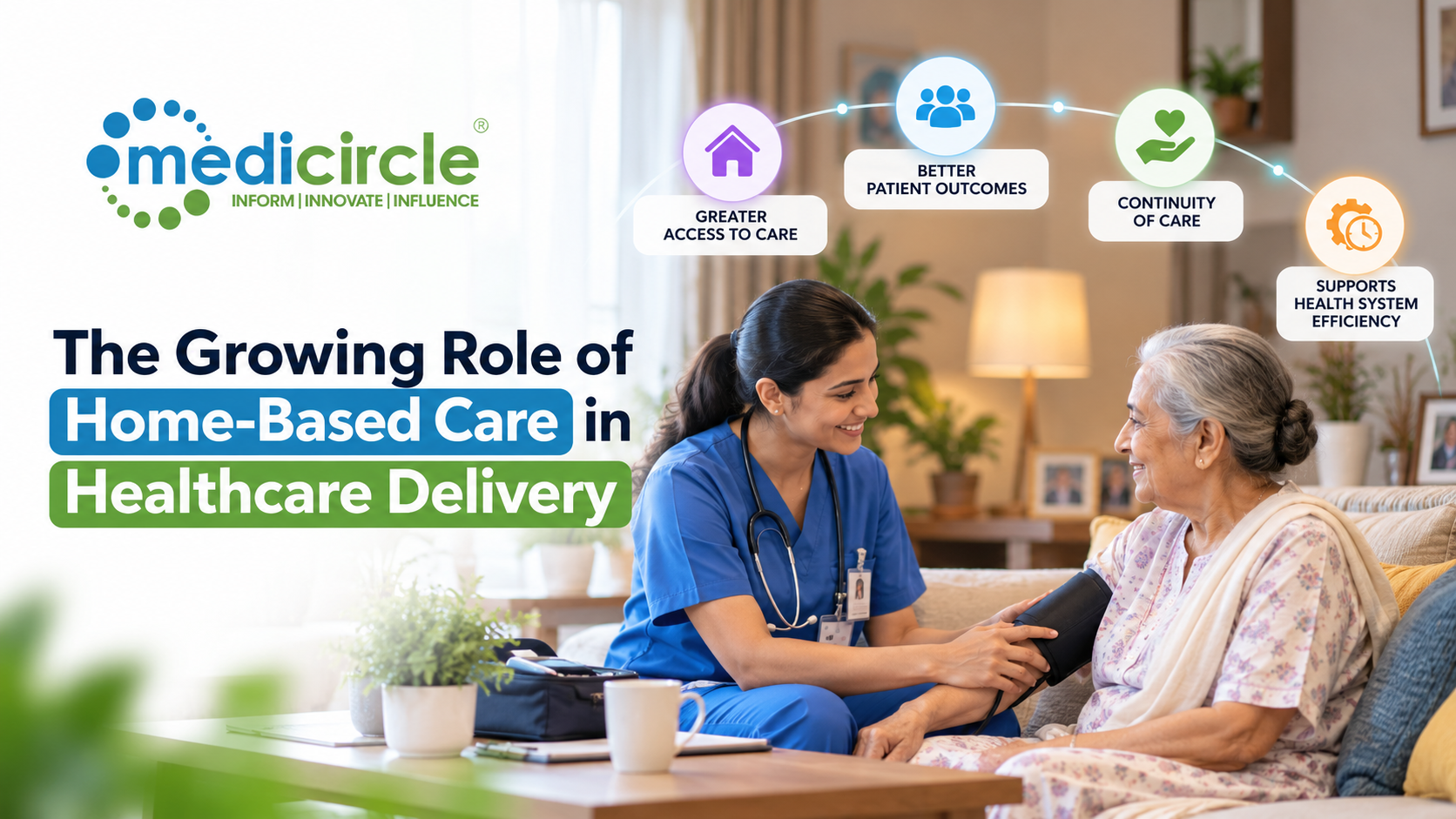
Remote Patient Monitoring and the Rise of Home-Based Care
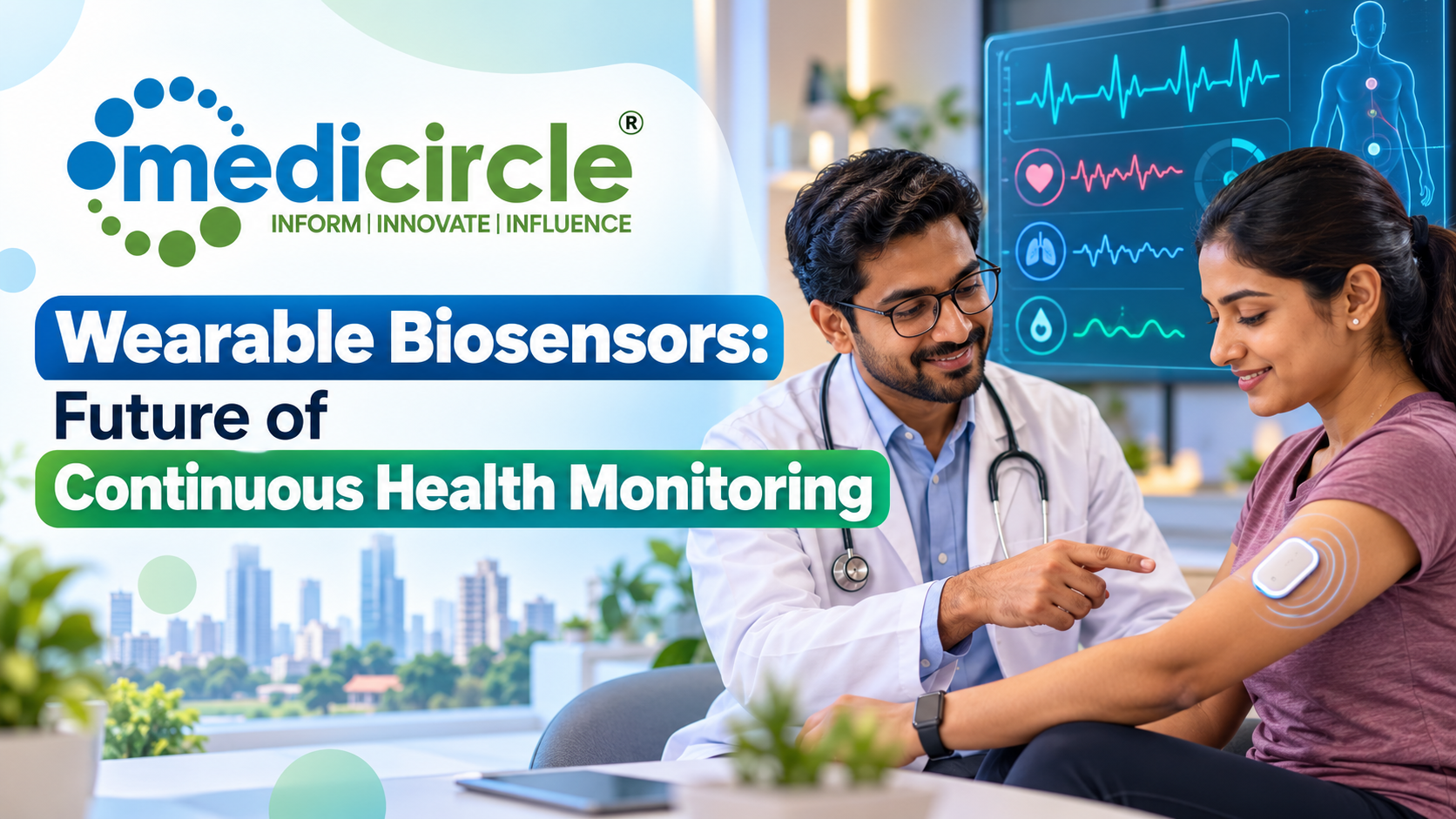
Remote patient monitoring is quietly becoming one of the more meaningful shifts in Indian healthcare, particularly for the country's very high burden of chronic disease. India has a large population living with diabetes and hypertension, conditions that require ongoing tracking rather than one-time treatment. Wearable devices and connected monitoring tools that track blood pressure, blood glucose, oxygen saturation, and heart rate allow this tracking to happen at home, with alerts generated when readings move outside safe ranges.
The World Health Organisation's guidance on healthy ageing has noted that continuous monitoring approaches can meaningfully reduce emergency hospital visits among patients managing long-term conditions. For a country where hospital beds and specialist time are limited relative to population size, this kind of prevention-focused monitoring has real value, both for patient outcomes and for reducing pressure on tertiary care facilities.
Wearable penetration in India has grown substantially in recent years, and as more of these devices connect directly to digital health platforms, patients gain access to real-time vitals, sleep patterns, and activity data that can inform both self-care and clinical decisions. Combined with ABDM's health record architecture, this data can, over time, contribute to a more complete and continuously updated picture of a patient's health rather than a series of disconnected medical visits.
Data Privacy, Interoperability, and the Road Ahead
None of this progress is meaningful without trust, and trust in digital healthcare depends heavily on how well patient data is protected. India's Health Data Management Policy, a component of ABDM, sets out standards for consent, data anonymisation, and secure exchange of health information. The Digital Personal Data Protection Act adds further obligations, including data localisation requirements and significant penalties for non-compliance, which is pushing healthcare technology companies to invest more seriously in security infrastructure.
Interoperability remains one of the more difficult challenges ahead. For digital health to genuinely work at scale, a patient's records need to move seamlessly between a government hospital in one state, a private clinic in another, and a diagnostic lab run by a completely different operator. ABDM's registries and health information exchange framework are designed to solve exactly this problem, but full nationwide interoperability will take sustained effort across public and private stakeholders over the coming years.
Looking ahead, a few directions seem reasonably clear. Digital-first hospitals will increasingly combine AI-assisted triage with centralised digital dashboards for clinical decision-making. Preventive health scoring, powered by continuous data from wearables and health records, is likely to shift more of the healthcare conversation from treatment toward early risk identification. And a genuine health-at-home ecosystem, spanning home diagnostics, virtual specialist consultations, and remote monitoring, is likely to reduce the burden on India's already stretched tertiary hospitals.
Platforms like Medicircle have a role to play in this transition as well, not as a technology provider, but as a space where doctors, hospitals, and healthtech innovators can explain these changes clearly to the people who will actually use them. As digital tools become more embedded in everyday healthcare, patient understanding and trust will matter just as much as the technology itself.
Conclusion
India's digital healthcare transformation is well underway, supported by strong government infrastructure, rapid telemedicine growth, and a population that is increasingly comfortable using digital tools for health-related decisions. The Ayushman Bharat Digital Mission, telemedicine platforms, AI-assisted diagnostics, and remote monitoring systems are together building a healthcare model that is more accessible and more continuous than what existed even five years ago.
At the same time, the numbers around ABHA usage and rural adoption are a reminder that infrastructure alone does not guarantee impact. Digital literacy, trust, language accessibility, and consistent patient education will determine whether this transformation genuinely reaches the tier 2 and tier 3 towns where the access gap is widest. The years ahead will likely be less about building new digital systems and more about ensuring that the ones already in place are understood, trusted, and used well by both patients and healthcare providers.
Frequently Asked Questions
Q1: What is digital healthcare in the Indian context?
Digital healthcare in India refers to the use of technology such as telemedicine, electronic health records, artificial intelligence, and mobile health applications to deliver, manage, and improve healthcare services across the country.
Q2: What is the Ayushman Bharat Digital Mission and why does it matter?
The Ayushman Bharat Digital Mission is a national initiative that gives every citizen a unique digital health identity, known as ABHA, allowing health records to be created, stored, and shared securely across hospitals and clinics.
Q3: Is telemedicine reliable for chronic disease management in India?
Telemedicine is increasingly used for chronic disease follow-ups, medication reviews, and lifestyle counselling in India, though complex diagnoses and emergencies still require in-person medical evaluation.
Q4: How is artificial intelligence being used in Indian hospitals today?
Indian hospitals are using artificial intelligence to support radiology interpretation, predictive risk scoring, administrative automation, and remote patient monitoring, generally as a support tool alongside clinical judgement rather than a replacement for doctors.
Q5: What are the biggest barriers to digital healthcare adoption in rural India?
Key barriers include limited digital literacy, inconsistent internet connectivity, concerns about data privacy, and lower awareness among older and less educated populations, all of which require targeted outreach and simplified interfaces.





-23-300x250.png)

.jpeg)


.jpg)
.jpg)
.jpg)
.jpg)
.jpg)
.jpg)
.jpg)
.jpg)
.jpg)